
Beavers have real iron in their wood-chomping teeth. Pennsylvania is home to one of the world’s largest amphibians. The daddy longlegs, contrary to popular mythology, has neither fangs (even tiny ones) nor venom. An owl’s body weight is 5% eyes. And killing coyotes can result in there being … more coyotes.
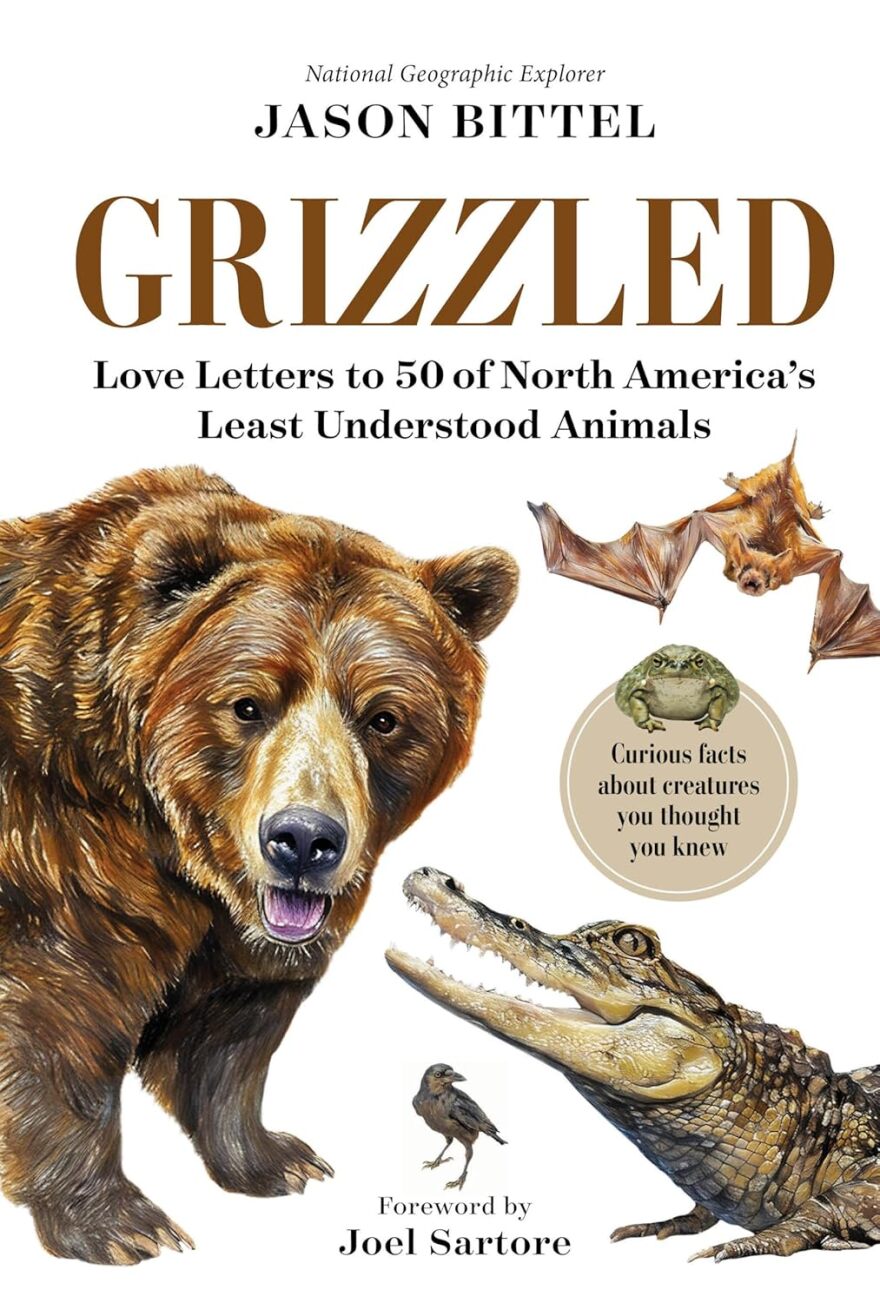
These are just a few of the facts Jason Bittel reports in his new book “Grizzled: Love Letters to 50 of North America’s Least Understood Animals” (National Geographic).

Jason Bittel’s fascination with nature started in childhood.
Bittel, a Pittsburgh-based writer and National Geographic Explorer, grew up overturning rocks in the woods around Acme, a small town in Westmoreland County.
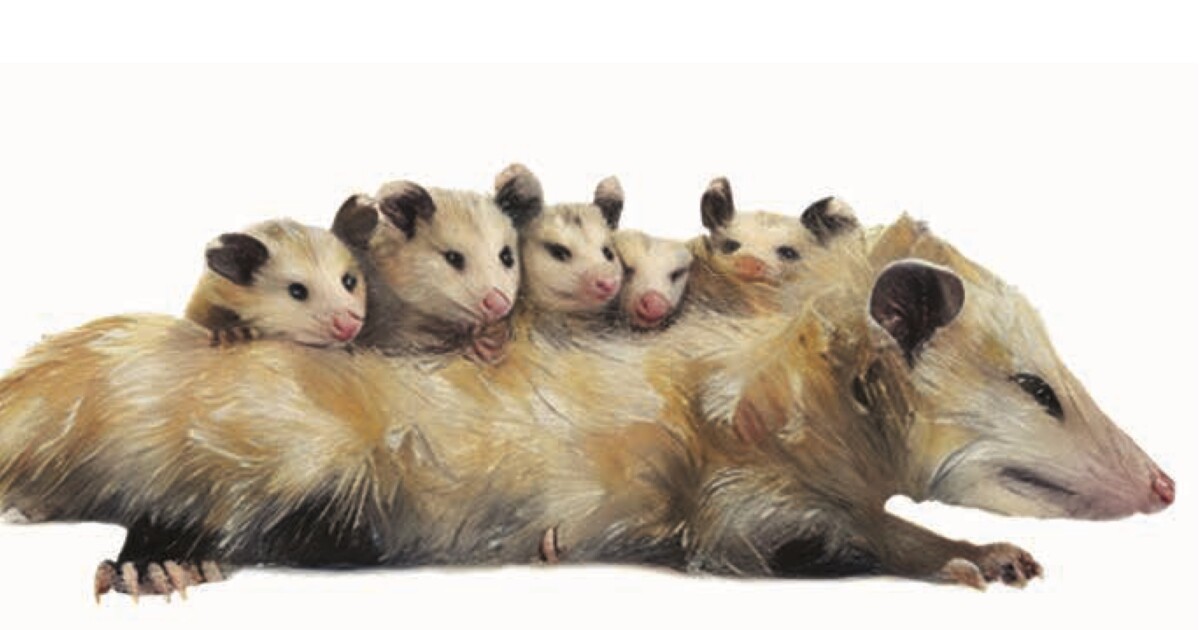
As an adult writing about science and nature, he learned that the public, inundated with facts and stories about exotic wildlife, from “Nature” on PBS to “March of the Penguins,” were similarly curious about the creatures living much closer by — sometimes even in their own homes (carpenter ants) or at least their backyards (possums, white-tailed deer).
“I’ve been on safari, you know, I’ve gone to the Amazon, gotten to do really cool things out in the world,” he said. “But the stories that seem to resonate most with the people I know are the stories I write about the wildlife that we have here.”
So while “Grizzled” covers grizzly bears (obviously) as well as bison, mountain lions and great white sharks, it also profiles porcupines, star-nosed moles, skunks, Eastern indigo snakes, carpenter ants and crayfish. Each chapter features a lush illustration of the critter in question based on images taken by famed photographer Joel Sartore.
Here’s Bittel on mountain goats:
“With front legs like Christmas hams, mountain goats launch themselves up, up, up and away as they scale vertical rock faces that would make most humans faint. In fact, mountain goats can leap up to 12 feet in a single bound. The power in those limbs also assists the goats as they descend down cliff faces, buffering all of the animals’ weight and arresting downward motion, lest they turn into a furry projectile tumbling down the mountainside.”
Daddy longlegs and bison
Bittel works a day job on the research communications team for Carnegie Mellon University’s Dietrich College, but as an Explorer gets Nat Geo funding for some of his adventures. He’s also the author of four children’s books, including “Mountain: Go On a Grand Tour of the Highest Places on Earth” and “How to Talk to a Tiger … And Other Animals: How Critters Communicate in the Wild.”
“Grizzled” is built largely on interviews with biologists, and includes nuggets like that counterintuitive fact about coyote breeding (In a coyote pack, only the dominant pair breeds, but if that pair is killed, non-alphas that didn’t previously breed will start doing so, often with larger litters than the alphas had.)
And the giant Appalachian amphibian, by the way, is the hellbender.
But though the creatures in “Grizzled” live all over the continent (and off its coasts), some of those that fascinate Bittel most are our housemates.
“I think it’s kind of cool that like the daddy longlegs have just as much space in this book as the bison, or the American buffalo,” he said. “And so we start that chapter off with dispelling the notion that daddy longlegs are the most venomous spider in the world. Because, first of all, they’re not spiders. They’re a cousin to the spiders.” But without venom or fangs, he said, “They couldn’t hurt you if they wanted to. In the book I mentioned that you could fall into a swimming pool full of daddy long legs and, you know, other than being maybe tickled to death, you would be totally fine.”
‘Just trying to survive’
While “Grizzled” is not a book about conservation, per se, the subject inevitably comes up, as some of the species are threatened, endangered or, in the case of the axolotl, nearly extinct in the wild.
“You don’t want this book to just be, you know, browbeating and you know, most people are not personally responsible for the extinction of animals,” Bittel said. “But I do think it is valuable for people to understand the cost of everything we have, the infrastructure that we have. … All of it takes space and it interrupts ecosystems that existed long before us.”
In other words, “Grizzled” is a fun nature book that doubles as a plea for understanding of all creatures great and small, even those we’re a little scared of or repelled by.
“These animals are just out there trying to survive. And many of them would do better if we could just take a step back and leave them alone,” Bittel said.
“I have a chapter on yellow jackets because my daughter hates yellow jackets,” he added. “And to her credit, she’s been stung by yellow jackets several times. But what I do try to do in that chapter is not, you know, pretend like yellow jackets don’t sting people, because they do. But I do try to contextualize why they’re stinging us, why they’re in our face.” (In brief, they and their babies are hungry.)
“I’m not trying to tell people, ‘Hey, let’s all go hug a yellow jacket.’ That will not happen,” he acknowledges. “But if you can understand its biology and its life history, then you can maybe avoid some of that conflict and, you know, maybe learn to even appreciate these animals for what they are.”
On June 8, Bittel and local environmental writer Andrew Moore will discuss wildlife, ecosystems and humans’ role in their survival with Frick Environmental Center educator Char Ross at the Andrew Carnegie Free Library & Music Hall, in Carnegie.