
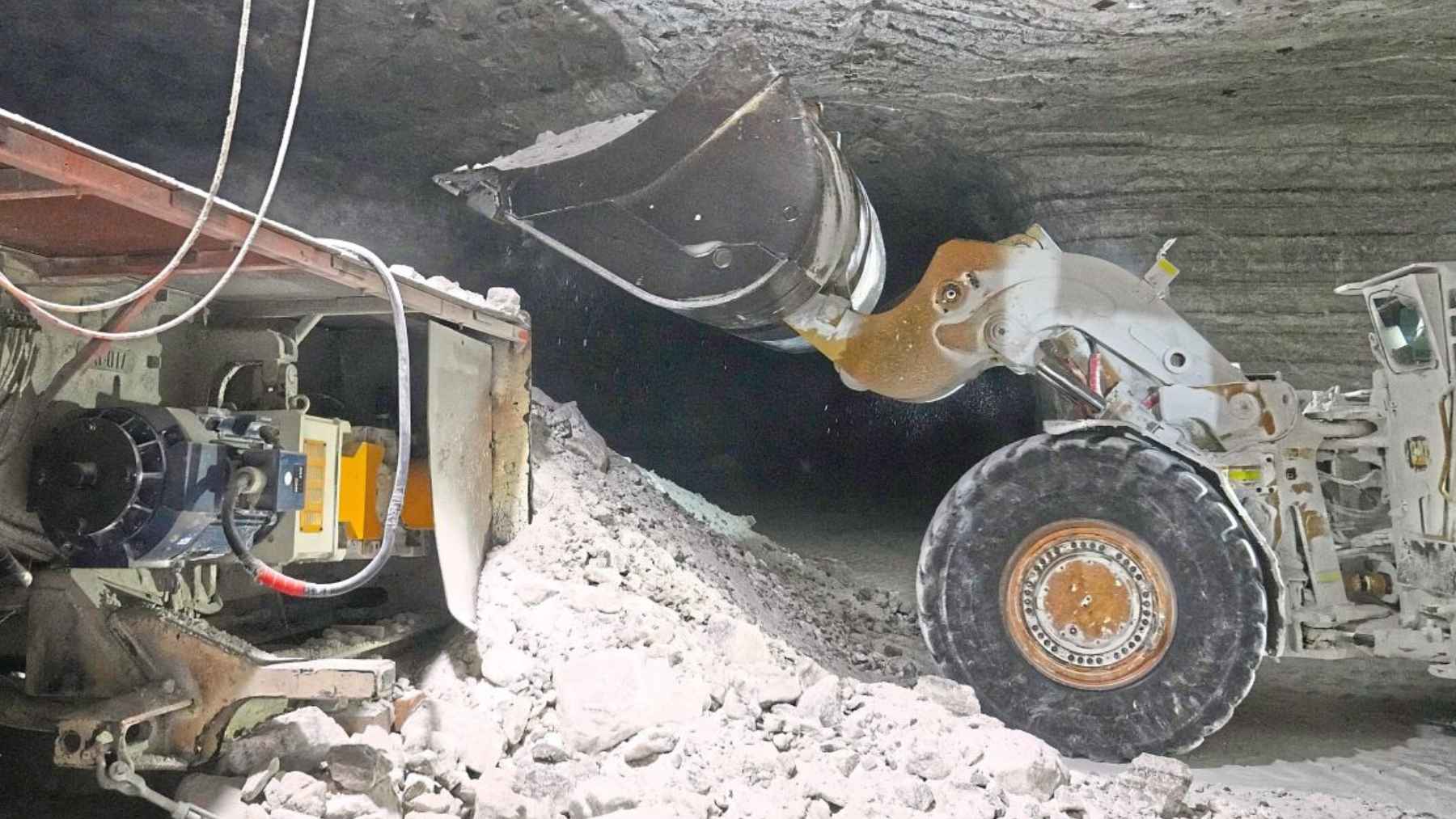
Beneath Lake Erie, far below the traffic, lakefront wind, and snowplows of Cleveland, one of the world’s largest salt mines is doing the quiet work that keeps winter roads moving.
The Cargill mine on Whiskey Island produces millions of tons of rock salt each year, but this season has shown just how quickly even a huge underground operation can feel pressure from harsh weather.
The mine has become a hidden piece of winter infrastructure for the Northeast and Great Lakes regions. When storms keep coming, cities burn through salt piles faster than expected, drivers see the difference on the roads, and crews have to move quickly before the next freeze arrives. That is where this underground world comes in.
A mine most drivers never see
The Whiskey Island salt mine sits about 1,800 feet beneath the surface of Lake Erie, reached from an industrial stretch of Cleveland near downtown. It opened in the 1960s and runs year-round, with crews extracting salt from tunnels formed in ancient deposits left behind by a long-vanished inland sea.
Inside, the mine is not some narrow cave from a movie. It is a sprawling network of large, rectangular chambers with chalky white walls, salt pillars, heavy machinery, conveyor belts, and stretches of darkness broken by headlamps and floodlights. AP photos from March 19, 2026, showed workers and equipment operating deep below the lake.
For most drivers, that underground world is invisible, but when the morning commute is slick, or a snowstorm turns a highway into a slow line of brake lights and exhaust fumes, the salt from places like Whiskey Island becomes very real.
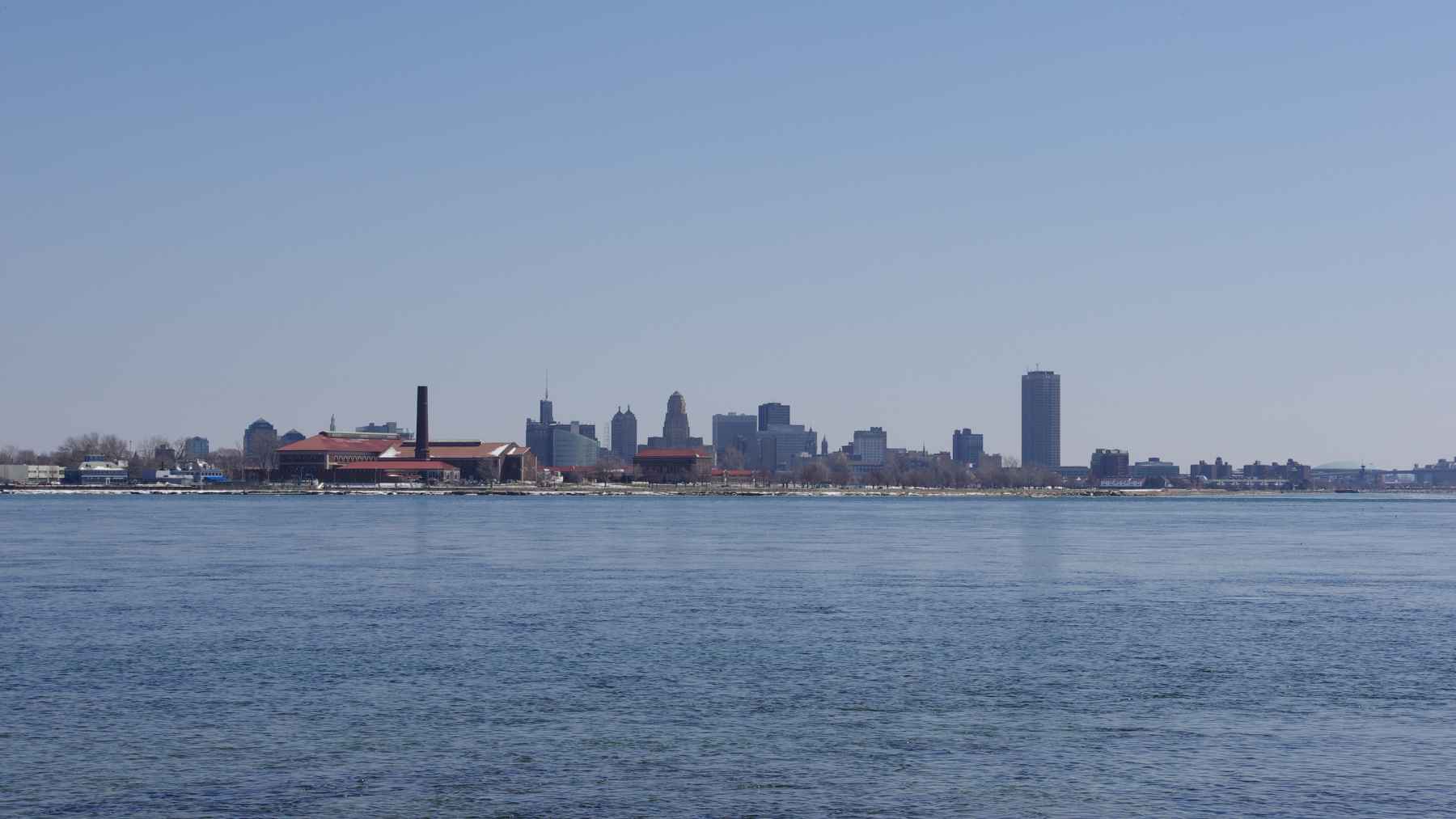 The waters of Lake Erie conceal a massive underground salt mine that supplies millions of tons of road salt across the region.
Why winter hit supplies so hard
The Cargill mine helps supply road salt across the Northeast and Great Lakes, two regions where winter weather can turn quickly and repeatedly. According to The Associated Press, a winter that was colder and snowier than usual pushed demand higher, and many municipalities used up supplies that normally last into spring.
Cargill spokesperson Emily Tangeman said the company’s teams had been “working overtime since September” to support customers across the snowbelt. She also noted that early and persistent winter weather boosted demand across the industry, which is exactly the kind of pressure local road departments hate to see.
It is not only the huge storms that matter. Frequent smaller storms can be just as draining because roads have to be treated again and again. That means more trucks, more drivers, more salt, and more strain on the supply chain.
Millions of tons, still not always enough
The Lake Erie mine produces about 3 million to 4 million tons of salt a year, a staggering amount by any everyday measure. Still, AP reported that even that output can fall short during especially harsh winters, particularly when demand rises across multiple states at the same time.
At the mine, salt is extracted through drilling and blasting, then moved through the underground system before it reaches the surface. Cargill says its bulk deicing salt is mined, processed, and delivered to municipalities, government agencies, and private contractors across the country.
That journey from underground rock to roadway is easy to overlook. Yet it is part of the same winter routine as shovels, plow blades, school delay notices, and that familiar crunch of salt under your shoes.
How the operation keeps moving
Maintenance superintendent George Campbell told AP that operations are continuous, with downtime used for upkeep and repairs so production can stay steady. In a place where machinery works deep underground, that maintenance is not a side detail. It is what keeps the mine from becoming a bottleneck.
Cargill has also said it is prioritizing shipments so salt reaches the areas with the greatest need while winter lingers in some regions. That matters because road salt is not just another commodity sitting on a shelf. When cities run low, the timing of the next shipment can affect road safety, school transportation, emergency response, and the daily rhythm of local businesses.
Cargill’s Road Safety business is headquartered in North Olmsted, Ohio, and the company says it has two U.S. mines in Cleveland, Ohio, and Lansing, New York. The company also says it uses a network of storage facilities across North America to supply deicing products when customers need them.
A hidden link in winter safety
Road salt is simple to describe, but hard to replace at scale. Cargill’s bulk deicing salt is used on roads, highways, parking lots, and bridges, and the company says it is treated to resist caking and clumping in harsh winter conditions.
That does not mean salt use is effortless. Cities have to balance cost, storage, weather forecasts, road conditions, and repeated applications during long cold snaps. Anyone who has watched a plow pass by, then seen snow cover the road again an hour later, understands the problem.
This is why a mine under a lake can matter to someone hundreds of miles away. It is part of a larger system that helps people get to work, keeps ambulances moving, and gives road crews a fighting chance when winter refuses to let up.
Decades of salt remain
Despite the heavy demand, Campbell said the mine still has a long future. “I think that we have enough reserves to continue to keep people working for a long time,” he told AP.
That is good news for the region, but it also comes with a reminder. Winter infrastructure is not only plows and trucks that people can see on the street. Sometimes, it is a dimly lit mine beneath Lake Erie, where crews work far below the waves so roads above can stay open.
The original report was published on AP News.