
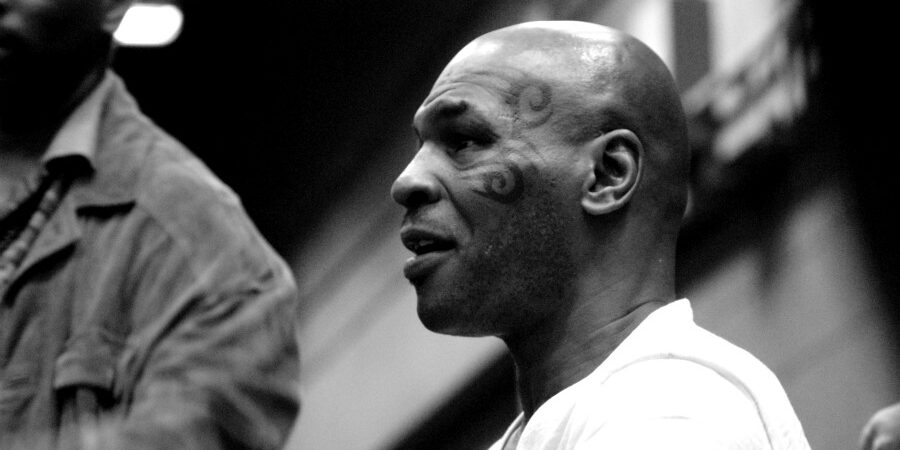
The life of Mike Tyson includes 44 professional knockouts, two felony convictions for rape and drug possession, and now one photo-op with Pennsylvania lawmakers in Harrisburg.
This week, the marijuana industry arranged breakfast with the registered sex offender, drawing attention to their push for state lawmakers to pass Senate Bill 120, a bill that would force every Pennsylvania community to allow pot shops selling marijuana for recreational use.
Pennsylvania is squarely in the marijuana industry’s sights, with a significant uptick in lobbyists in Harrisburg and millions of dollars spent to sway state lawmakers toward recreational legalization.
But Mike Tyson? While some may downplay his past, he continues to claim marijuana is “not a drug” and openly admits to daily, high-volume use, spending $40,000 a month on personal marijuana.
The question every state lawmaker should ask: What does Mike Tyson gain if Pennsylvania changes its law on marijuana use? A lot. According to Forbes, sales from his marijuana brand totaled $45 million in 2023, with projections for this year hitting $75 million. His branded products include All-In-One Vapes with super-strength potency (over 90 percent THC) that come in “sweet, fruity, and nutty flavors” such as Mike’s Meringue.
A conflict of interest for Iron Mike? The answer couldn’t be more ironclad.
We don’t need celebrity endorsements to shape Pennsylvania public policy. We need credible evidence on public health and safety. Paid lobbyists disguising “addiction-for-profit” schemes cannot replace parents, health experts, and law enforcement highlighting marijuana’s real-world impact.
Big Tobacco-style corporations dominate the marijuana industry. Trulieve, which operates nearly two dozen dispensaries in Pennsylvania, spent $141 million in Florida in a failed attempt to push an amendment to legalize marijuana for recreational use. As Gov. Ron DeSantis described, “They’re not doing that because they care about the best interests of Florida. They’re doing it because they want to make profits.”
This recent visit by Tyson brought attention to the marijuana issue, including a mobile billboard outside the breakfast that highlighted two tragic stories. Jennifer, a mother from a Philadelphia suburb, shared how marijuana “stole my son.” Her son has been hospitalized thirteen times, jailed three times, and now suffers from schizophrenia, despite no family history of mental illness. He became paranoid, delusional, and manic, even once trying to jump from a moving car because he believed the Taliban was after him. All of this is associated with marijuana use.
Another story involved State Representative Brian Smith (R-Punxsutawney), whose son died from a drug overdose. Smith traces his son’s drug habit back to marijuana use. On recreational legalization, Smith states plainly, “It’s not worth the negatives.”
Data and evidence reinforce these tragic stories. States experimenting with recreational legalization have seen more children in the ER due to marijuana exposure, higher rates of drugged driving and fatalities, and rising mental health problems. As one study found, frequent marijuana use among eleventh graders in California increased following recreational legalization.
Modern marijuana products are highly potent and engineered to look nothing like the marijuana of the past. As the American Addiction Centers puts it, frequent marijuana use “is associated with the development of physiological dependence, a distinct withdrawal syndrome, and addiction.”
In states like Colorado, there are more pot shops than Starbucks and McDonald’s combined. And if the industry gets its way, it will force Pennsylvania communities to allow pot shops selling marijuana for recreational use. This problematic environment would occur if Senate Bill 120 were to become law.
There is one thing in common among health organizations like the American Academy of Pediatrics and the Association for Addiction Professionals, law enforcement agencies such as the Fraternal Order of Police and PA Chiefs of Police, AAA, and editorial boards from Pennsylvania outlets like the LNP and Pittsburgh Post-Gazette. They all oppose marijuana legalization for recreational use.
If Pennsylvania values public health and safety, if we value the evidence rather than celebrity endorsements, this case is clear: The costs of recreational legalization of marijuana are immense.
For policymakers, the evidence should deliver a knockout punch.
Dan Bartkowiak is the Chief Strategy Officer for Pennsylvania Family Council.