
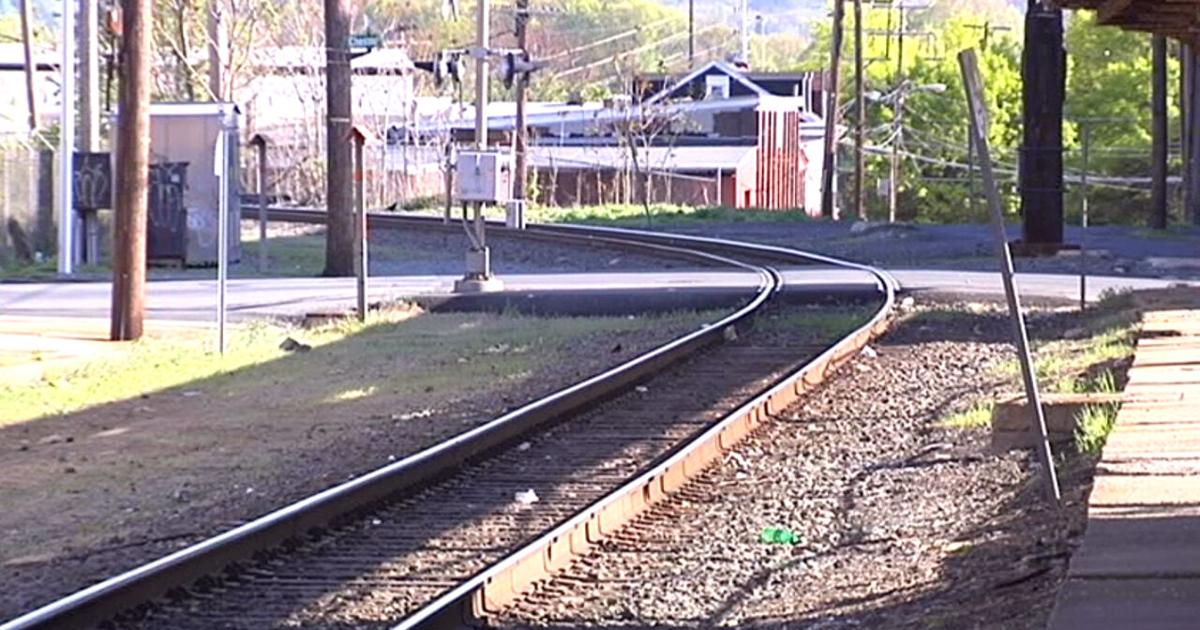
READING, Pa. – During its Committee of the Whole meeting Monday night, Reading City Council held a public hearing on proposed zoning amendments that would create a Transit-Oriented Overlay District (TOD) and modify off-street parking requirements.
Planning Director Simon Wangolo said the development of a TOD started in 2023 through the collaboration of the city and community partners.
Pankaj Jobanputra, a project manager with Simone Collins Landscape Architecture, said the proposed TOD amendments were created in anticipation of the passenger rail service returning to the city and to draw more residents and businesses to the downtown area.
The components of a TOD would include mixed uses such as diverse residential unit types, higher densities closer to an anticipated train station, active retail on the ground floors and offices and residential uses on the upper floors.
The overlay district is proposed to cover certain areas of multiple commercial and residential zoning districts in the downtown area.
Incentives for developers would include: decreasing the minimum lot size requirements, increasing the maximum building coverage and the maximum impervious coverage for certain uses, increasing building heights in some of the included zoning districts and reducing off-street parking requirements with specific criteria.
“With the recent CRIZ (City Revitalization and Improvement Zone) designation and with this overlay ordinance, you have a nice one-two punch of a good strategy of redevelopment in the downtown area,” Jobanputra said.
“Getting to the purpose and intent, the TOD would be promoting and encouraging pedestrian-oriented walkable mixed-use developments, promoting economic development, encouraging different housing types and creating a welcoming and friendly pedestrian centered environment in the downtown area,” he said.
Council President Donna Reed said it is time for the city leaders to be innovative.
“We know that the train is still likely four to five years — optimistically — away, but it’s like anything else: You want to be proactive as opposed to reactive,” Reed said. “A lot of these ideas many of us have seen in other cities where mass transit is a little bit more popular than what we’ve seen it being Reading in the last 40-plus years. I’m happy to hear all this, to consider this and how it can move us forward.”
The other proposed ordinance addresses off-street parking and is seeking to modernize off-street parking and the loading standards within the city.
Jerome Skrincosky, a planning consultant for the city, said the changes could promote economic development opportunities in areas where it was conceived that you could not develop a site because there would be a lack of parking.
“We did take a look at parking design standards,” Skrincosky said. “We also looked at the paving, grading and maintenance and updated those to reflect modern and contemporary standards, introduced landscaping and buffer requirements, and the off-street parking requirements.”
Skrincosky said one example is that the current zoning requires off-street parking to be available within 300 feet of housing units.
But with the proposed changes, that would increase to 1,000 feet with certain conditions.
Michael Gombar, council solicitor, said council will consider and act on the ordinances at either the June 22 or July 13 regular council meetings.