
Why the process of gender-affirming care is so complicated
The conversations that surgeons and medical staff have with patients before doing surgery are important, but surgeons can and should help patients understand why that is, said Loren Schechter, a plastic surgeon and director of gender affirmation surgery at Rush University Medical Center in Chicago, as well as the president-elect of the World Professional Association for Transgender Health.
“That relationship is a two-way street. The patient has to be comfortable with the surgeon and vice versa,” he said. “We understand that not all individuals who are gender-diverse or transgender proceed with surgery or necessarily are candidates for surgery.”
“People often wait for years and years to undergo these procedures and we want to make sure they understand what is a reasonable result, what can someone expect … following surgery, and what are things that go beyond surgery,” he added.
For instance, Schechter said patients may need support from family and friends and other medical providers, or help with the logistics of traveling to surgery or staying to recover afterwards.
He said the field has improved in the more than 20 years since he has been practicing in this field of medicine. For instance, his staff has grown to include a social worker, physical therapist and patient navigator to support patients before and after surgery.
The study found that one way clinics can make a difference is to have patient navigators in charge of helping patients through the paperwork and insurance processes, especially if the navigators are themselves trans or nonbinary.
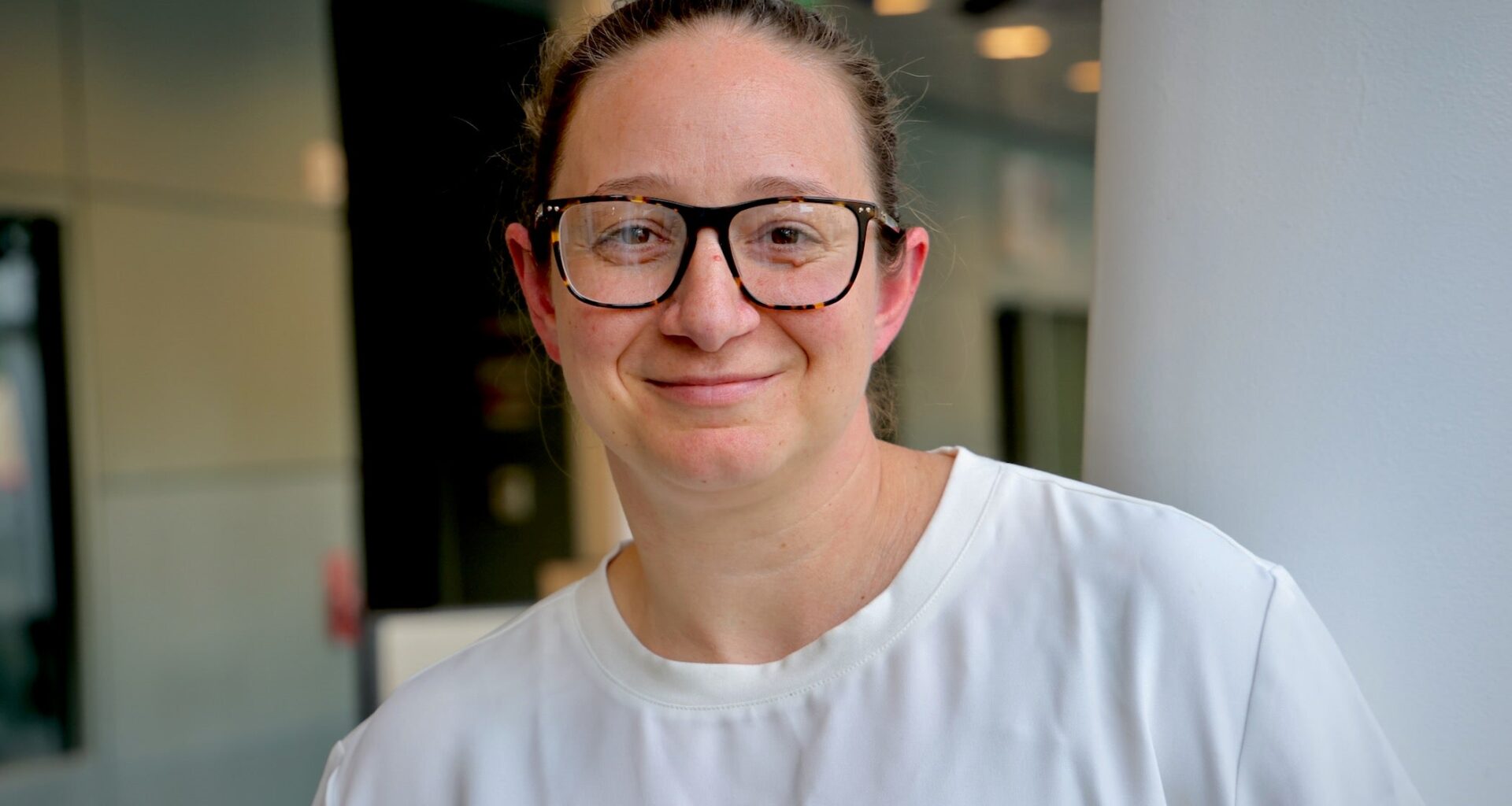
Strand said she hopes this research could inspire surgeons who provide this kind of care to think about how they can make it a better experience for their patients, and to consider that as a measure of success, in addition to how the surgery turned out.
These findings will not be surprising to anyone in this field, said Damon Constantinides, a psychotherapist and clinical social worker in Philadelphia who primarily works with queer and trans clients.
He said most people don’t understand that this is unlike any other field of medicine because patients who need gender affirming surgery don’t feel like themselves until they have this medical procedure.
“Not only are you a person who in order to feel yourself, you need to access this care, but you’ve also been told over and over again that … it’s bad for you to access care. So by the time you’ve gotten to a surgeon’s office to do a consultation, there are so many steps that someone has gone through to be able to make themselves vulnerable enough to ask for what they need,” he said.
Political climate, legal restrictions complicate outlook
Constantinides said access to care still varies depending on where someone is in the U.S., but overall, health insurance providers covering gender-affirming care means more people can access it now compared to the past. However, some states are now trying to pass limits or de facto bans on gender-affirming care for adults.
Constantinides said “it’s heartbreaking what’s happening right now in the United States for trans people … people are terrified of losing access or not being able to access health care.”
The article from the Temple researchers also concludes that the current political climate and new laws could restrict access to gender-affirming care, which “makes it all the more important to provide humanistic, compassionate, and culturally humble care” to patients who can access it.