
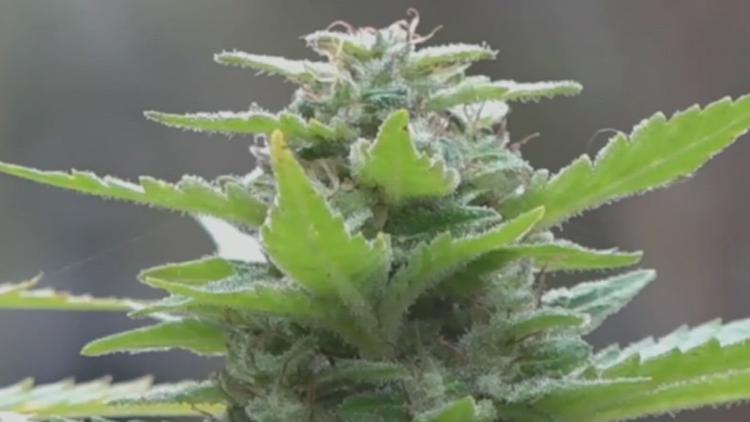
A bipartisan effort to create a cannabis control board in Pennsylvania has suffered a major setback.
The Pennsylvania State Senate voted 27-23 against the proposal Wednesday afternoon, shelving plans to establish new oversight of the Commonwealth’s medical marijuana and hemp industry.
The bill — championed by state Sen. Dan Laughlin (R-Erie) — was under consideration for months and had attracted a host of bipartisan co-sponsors. Despite that support, the bill failed after several Democratic co-sponsors voted against it.
The legislation would have established safety standards for marijuana products and created a dedicated board to oversee the medical cannabis industry. Supporters argued the measure would strengthen consumer protections and address concerns surrounding unregulated intoxicating hemp products.
Laughlin blamed opposition from Gov. Josh Shapiro for the outcome, saying the governor’s position influenced Democratic lawmakers’ support for the measure.
“The Shapiro Administration remains supportive of comprehensive cannabis regulation, which would enable a competitive, revenue-generating adult-use market, protect patient access to the current Medical Marijuana Program and rein in hemp-based intoxicant products that are currently unregulated,” Shapiro spokesperson Rosie Lapowsky said in a statement to FOX43 following Wednesday’s vote. “Senate Bill 49 does not substantively advance those goals.”
Opposition was not limited to Democrats, though.
Six Republicans joined 21 Democrats who opposed the bill, raising concerns that the creation of a cannabis control board could eventually pave the way for legal recreational marijuana. Some lawmakers also objected to creating a new layer of government oversight.
Sen. Sharif Street (D-Philadelphia), who co-sponsored the bill, was one of two Democratic senators who voted in favor of the measure. Street urged his colleagues to support the legislation, despite concerns among some Democrats that it did not go far enough toward broader cannabis legalization.
Following the vote, Laughlin expressed frustration with lawmakers who rejected the proposal and argued the issue was tied to public safety.
“I think it’s pretty clear that politics means more than children’s safety,” Laughlin said.
While the vote halted the bill’s immediate progress, its path might not be over. Lawmakers immediately voted to reconsider the measure, allowing for continued discussions. Laughlin said he plans to continue working to build support for the bill as he seeks to advance cannabis regulation efforts in Pennsylvania.
For now, however, the defeat represents a significant setback for a proposal that supporters said would improve oversight of the state’s growing cannabis industry.