
State Sen. Devlin Robinson led a roundtable discussion at Carlow University on Thursday to address the growing nursing shortage and explore solutions to meet increasing healthcare demands. “We’re facing a nursing shortage, and it’s just going to get worse as the years go on. People keep aging, and they are going to need nursing care as they age,” Robinson said. “Nursing is a skilled trade, it’s an important trade, and we are here to make sure we invest state dollars and resources.”Officials noted that fewer people are entering the nursing industry, demand is increasing, and more nurses are retiring. Carlow is working to attract more healthcare students, particularly those studying nursing. “Carlow was built to meet the next great need, and one of the great needs in our community is our nursing shortage, so that is an area where Carlow has tried really to begin to fill that gap. We’ve created some new programs,” said Kathy Humphrey, president of Carlow University.Looking for more news in your area | Subscribe to the WTAE YouTube ChannelHumphrey said that the university is trying to develop three-year, 90-credit-hour bachelor’s degrees in healthcare fields such as healthcare management and healthcare data analytics. She said reducing credit requirements would lower education costs and help students enter the workforce faster.”The legislation requires all universities to have a 120-credit-hour degree. This is not revolutionary. Many states have already moved to that. As a matter of fact, our neighbors, Ohio, are now requiring all of their state institutions to have at least one 90-credit-hour degree,” Humphrey said. Carlow has also launched a surgical tech program in response to surgeries being canceled due to staffing shortages. Additionally, the university is addressing challenges posed by new legislation that limits federal loans for certain healthcare students. “The nurse practitioner is not covered by the new legislation. As a matter of fact, before, a nurse practitioner could borrow from the federal government up to the cost of attendance; they can no longer do that,” Humphrey said.There is a pilot program at the university where students in high school can earn college credits, and Carlow has been working with hospitals to provide scholarships.Download the WTAE app to stay connected with breaking news. Sign up for our email newsletters to get breaking news in your inbox.
PITTSBURGH —
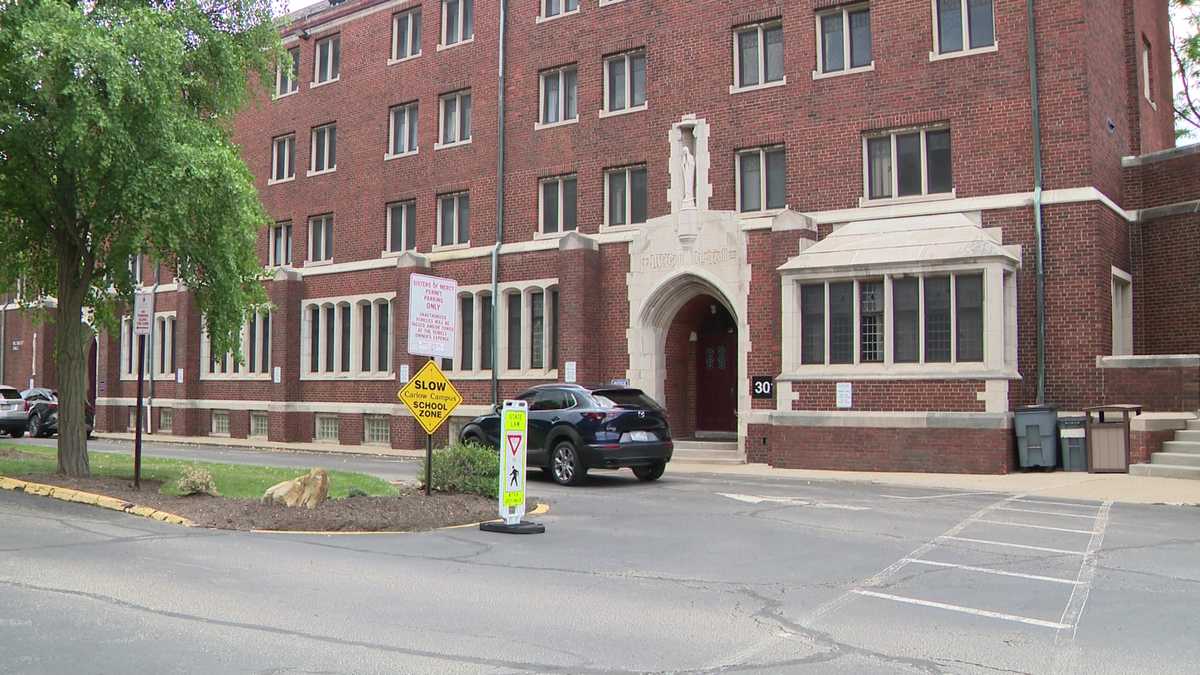
State Sen. Devlin Robinson led a roundtable discussion at Carlow University on Thursday to address the growing nursing shortage and explore solutions to meet increasing healthcare demands.
“We’re facing a nursing shortage, and it’s just going to get worse as the years go on. People keep aging, and they are going to need nursing care as they age,” Robinson said. “Nursing is a skilled trade, it’s an important trade, and we are here to make sure we invest state dollars and resources.”
Officials noted that fewer people are entering the nursing industry, demand is increasing, and more nurses are retiring. Carlow is working to attract more healthcare students, particularly those studying nursing.
“Carlow was built to meet the next great need, and one of the great needs in our community is our nursing shortage, so that is an area where Carlow has tried really to begin to fill that gap. We’ve created some new programs,” said Kathy Humphrey, president of Carlow University.
Looking for more news in your area | Subscribe to the WTAE YouTube Channel
Humphrey said that the university is trying to develop three-year, 90-credit-hour bachelor’s degrees in healthcare fields such as healthcare management and healthcare data analytics. She said reducing credit requirements would lower education costs and help students enter the workforce faster.
“The legislation requires all universities to have a 120-credit-hour degree. This is not revolutionary. Many states have already moved to that. As a matter of fact, our neighbors, Ohio, are now requiring all of their state institutions to have at least one 90-credit-hour degree,” Humphrey said.
Carlow has also launched a surgical tech program in response to surgeries being canceled due to staffing shortages. Additionally, the university is addressing challenges posed by new legislation that limits federal loans for certain healthcare students.
“The nurse practitioner is not covered by the new legislation. As a matter of fact, before, a nurse practitioner could borrow from the federal government up to the cost of attendance; they can no longer do that,” Humphrey said.
There is a pilot program at the university where students in high school can earn college credits, and Carlow has been working with hospitals to provide scholarships.
Download the WTAE app to stay connected with breaking news. Sign up for our email newsletters to get breaking news in your inbox.