
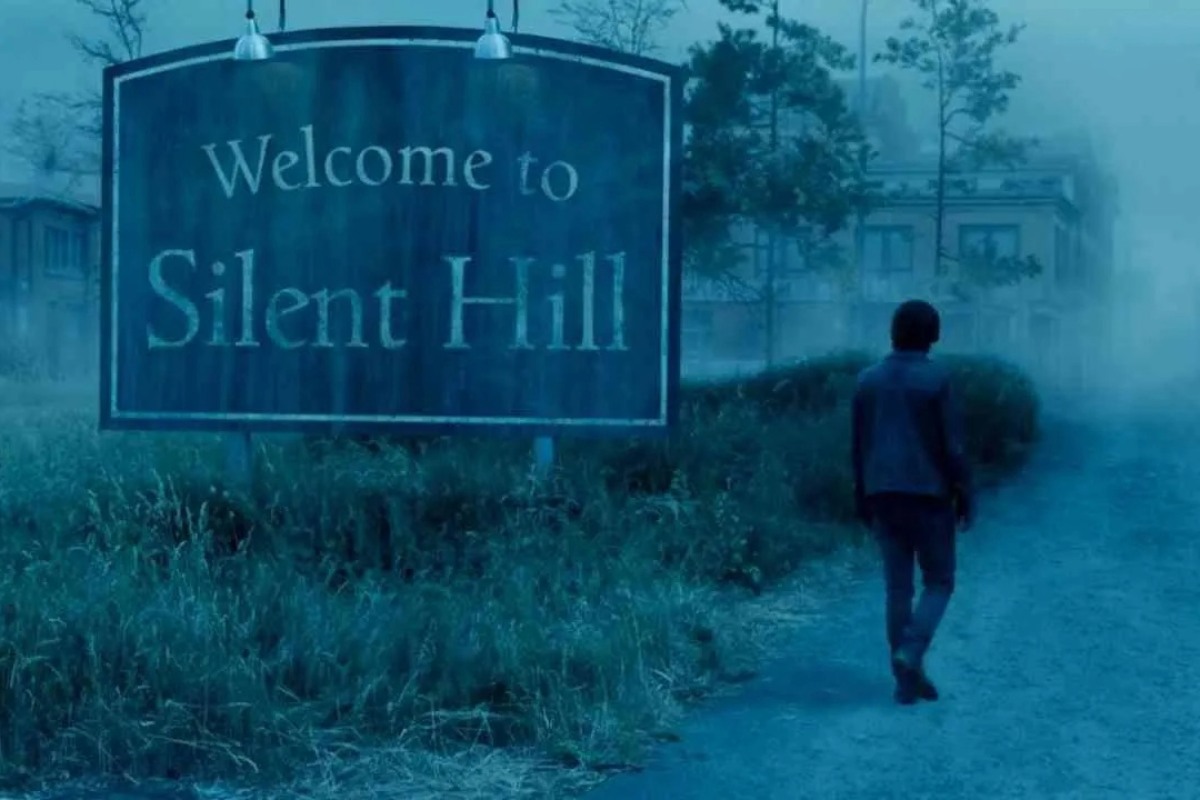
Silent Hill’s fog and ash have a real address: Centralia, Pennsylvania, where an underground coal mine fire ignited in 1962 and continues to burn. The disaster turned the borough into a ghost town, dropping its population from 999 in 1981 to 5 in 2020, with most buildings razed save a church, four cemeteries, six houses and a municipal building.
Smoke leaks from cracked earth, heat shimmers off vacant lots, and a once-ordinary Pennsylvania borough has all but vanished into the fumes. Centralia’s underground coal fire, ignited in 1962 and still alive, chased nearly everyone out and turned the map into a handful of houses, a church, and silence. Its bleak aura seeped into pop culture, shaping the nightmare fog of Silent Hill for games and Christophe Gans’s 2006 film. Experts say the coal could burn for centuries yet, an inferno with a stubborn grip on reality.
The real Silent Hill: Centralia, Pennsylvania’s 64-year nightmare
Some places feel like they were dreamed up for the screen, then you learn they were there all along. That uneasy overlap between fiction and fact is where Silent Hill meets Centralia. The first is a pop-horror touchstone, the second a scar on the American map, still breathing heat. Together they show how stories cling to landscapes, and how landscapes answer back.
Silent Hill: From video games to the silver screen
The fog rolled in back in 1999, when Silent Hill first arrived on consoles and rewired horror for a generation. A few years later, director Christophe Gans brought that dread to theaters with the 2006 film, which earned over $100 million worldwide despite mixed reviews. Today the movie remains easy to find in the U.S., available to rent or buy on major digital stores, its siren still unmistakable.
Centralia: The true inspiration behind Silent Hill
Not every element of Silent Hill came from pure invention. Centralia, Pennsylvania, lends a chilling parallel. In 1962, a landfill burn spread into a coal seam beneath the town, lighting a subterranean fire that still smolders. By the 1980s, evacuations accelerated as carbon monoxide and heat made daily life dangerous. Ground temperatures near vents can top 176°F, a reminder that the crisis sits just below your feet.
The numbers tell the story. Centralia’s census counted 999 residents in 1981, the year relocation orders took hold. By the 2020 census, only 5 remained. The town’s ZIP code was deleted, properties were condemned, and a stretch of Route 61 was closed after buckling and fissures. The place didn’t vanish. It thinned into a whisper of smoke and warning signs.
A ghost town rich in cultural significance
Centralia’s imagery seeped into culture. Filmmakers Joseph Sapienza and Allyson Kircher captured its uneasy beauty in documentary work, while fans kept connecting dots between the town and the game’s oppressive mood. Series artist Masahiro Itō has pushed back on claims of direct inspiration, yet the 2006 film’s screenwriter acknowledged researching Centralia’s disaster. The echoes are hard to miss: cracked pavement, low mist, danger leaking out of the ground.
The fire with no end in sight
Experts have long warned that Centralia’s mine fire could burn for another 250 years, until the fuel runs out. That projection keeps the site in the American imagination, drawing a trickle of dark tourism even as officials urge caution and respect for private property. Silent Hill keeps evolving across screens and remasters. Centralia keeps burning. Which after all these years feels like the harsher fiction, and which feels like fact?