

The Wright Center
 Mary Louise Decker, Wright Center (SUBMITTED)
Dr. Mary Louise Decker, the infectious diseases medical director at the Wright Center for Community Health, was honored with an award from a national advocacy group for her meaningful, evidence-based hepatitis C and HIV prevention and treatment efforts across Northeast Pennsylvania.
The Community Liver Alliance awarded Decker the You Make a Difference Award, which honors individuals who have made a meaningful impact in advancing liver health by supporting patients and families, and strengthening communities.
Decker, a board-certified infectious diseases physician, leads the Wright Center’s Ryan White HIV and Infectious Diseases Clinic. She earned her medical degree from Georgetown University School of Medicine in Washington, D.C., where she completed her residency in internal medicine and fellowship in infectious diseases. She has more than 20 years of clinical experience in treating complex bacterial and viral infections in the inpatient and outpatient setting, in providing comprehensive care for people living with or at risk for acquiring HIV, in the treatment of chronic hepatitis C and sexually transmitted infections, and with antibiotic stewardship and hospital infection control.
In 2020, Decker established the Wright Center’s dedicated Hepatitis C Clinic, creating a pathway for screening, diagnosis, treatment and long-term follow-up.
University of Scranton
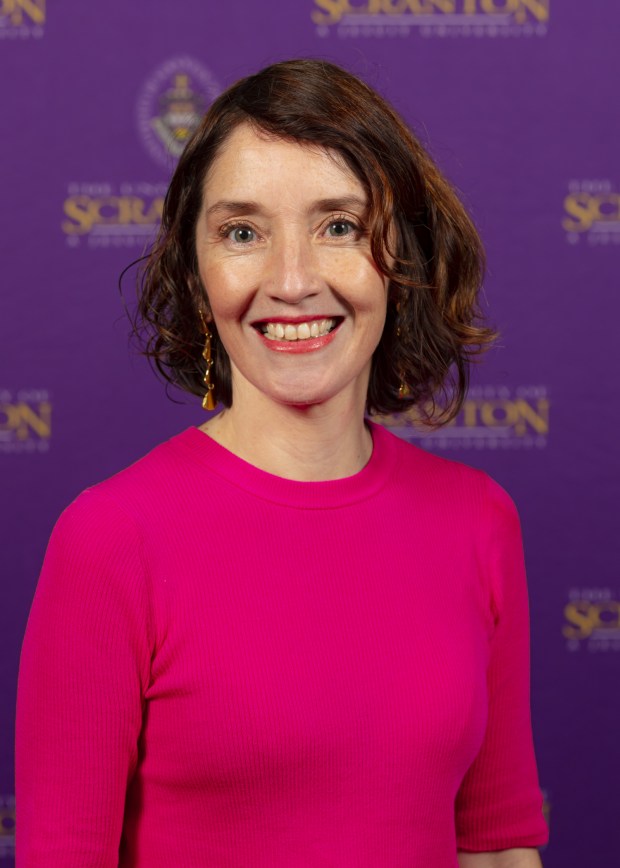 Yamile Silva, University of Scranton (SUBMITTED)
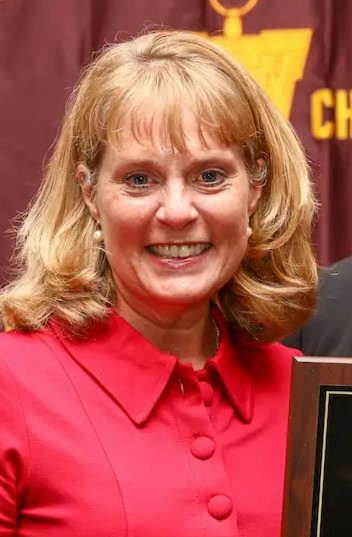 Kim Pavlick, University of Scranton (SUBMITTED)
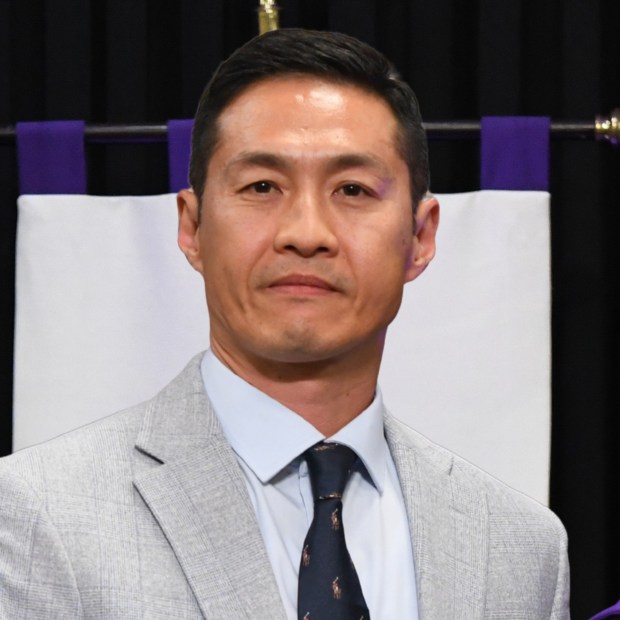 Sinchul Back, University of Scranton (SUBMITTED)
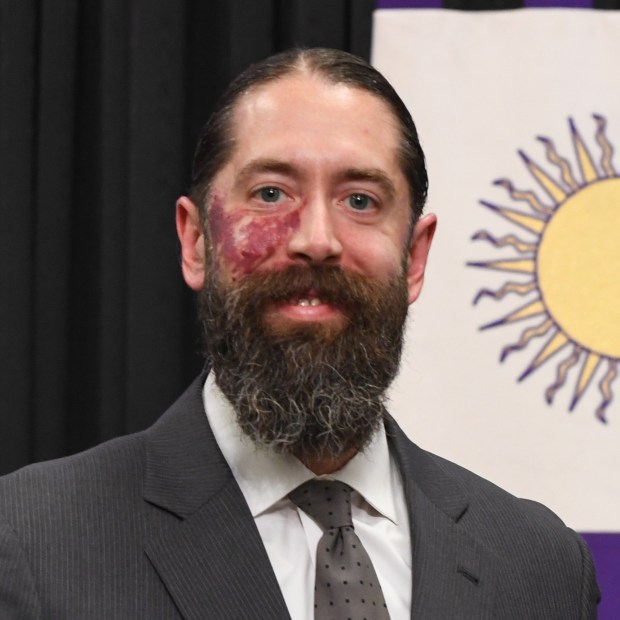 Andrew Venezia, University of Scranton (SUBMITTED)
The world’s largest professional organization dedicated to the study of Latin America will benefit in the coming years from a University of Scranton faculty member as she joins its leadership team.
Yamile Silva, Ph.D., will begin her duties as a sections representative for the Latin American Studies Association, which has 13,000-plus members worldwide.
Silva, professor and chair of the Department of World Languages and Cultures, was elected as representative of the sections for the Latin American Studies Association. Silva’s three-year term with the organization’s executive council begins in June, following LASA2026, the association’s International Congress, which will be held in Paris.
LASA membership spans 60 countries, bringing together scholars from all disciplines and professional backgrounds.
Silva has worked at the university since 2009. She received her undergraduate degree from the Universidad de los Andes, Bogotá-Columbia, and her master’s and doctoral degrees from the University of Massachusetts Amherst.
Kim Pavlick, Ph.D., assistant professor in the university’s Department of Communication and Media, recently accepted the Gannon Award for Teaching.
Student members of the university’s chapter of Alpha Sigma Nu, the national honor society for students in Jesuit colleges and universities, selected Pavlick as their Teacher of the Year. The award is named for Edward Gannon, S.J., a 22-year employee of the university who taught philosophy until his death in 1986.
Pavlick, who was hired at Scranton in 2005, was presented with the award at a ceremony on March 8 at the Alpha Sigma Nu Honor Society Induction Ceremony.
In addition to her teaching responsibilities, Pavlick serves as the NCAA faculty representative for Scranton’s student-athletes and faculty mentor for the university’s field hockey team, making her presence outside the classroom just as impactful as her teaching.
Pavlick received her bachelor’s degree from West Virginia University, master’s degree from the University of Scranton and her doctorate from Marywood University.
The Gannon Award for Teaching was established in 1969. Pavlick is the 57th recipient of the award, which recognizes outstanding efforts in educating students.
The Scranton chapter of Alpha Sigma Nu was founded in 1943 and is the oldest honor society at the university.
The university’s graduating senior class of 2026 selected Sinchul Back, Ph.D., associate professor and director of the cybercrime and homeland security program, and Andrew Venezia, Ph.D., associate professor of health and human performance, as its Teachers of the Year.
Created in 1997 by the university’s Faculty Senate, the Teacher of the Year award recognizes faculty members who exemplify excellence across multiple dimensions of teaching and student engagement. Honorees must be committed to maintaining the highest standards of academic excellence and fairness, ensuring an enlightening, rigorous and equitable learning environment for all students. Voting was conducted in April. Back and Venezia accepted their awards May 22 at Class Night, held inside the DeNaples Center’s McIlhenny Ballroom.
Back, who has worked at Scranton since 2019, is a retired Marine captain who served as an instructor in counterterrorism tactics and counterintelligence operations for the Republic of Korea Marine Corps. He previously served as a legislative aide for the South Korea Senate and the Massachusetts State House. He holds a Ph.D. in international crime from Florida International University, a Master of Science in criminal justice from Bridgewater State University and a Bachelor of Science in leadership and political science from Northeastern University. He teaches courses on cybercrime, cyber intelligence, mobile forensics, digital forensics investigation and introduction to homeland security.
Venezia, who has worked at Scranton since 2016, teaches in the kinesiology program and nutrition concentration and serves on the advisory committee for the neuroscience program. Among his courses is advanced physiology of sport and exercise, which he’s taught to every graduating kinesiology senior since 2016. He has also mentored several students in the University Honors Program. He earned bachelor’s and master’s degrees in exercise science from Bloomsburg University. He earned his Ph.D. in neuroscience and cognitive science from the University of Maryland.