
With skill game machines now classified as slot machines under a recent Pennsylvania Supreme Court ruling, lawmakers are facing increased pressure to legalize, regulate and tax the devices as budget negotiations continue in Harrisburg.The ruling comes just two weeks before the state’s budget deadline and adds urgency to a debate that could affect state revenue, thousands of small businesses and nonprofit organizations that rely on income generated by the machines.Lawmakers were given a 120-day window to address the ruling on the illegality of the devices, with the stay intended to allow for a remedy that could prevent the machines from being seized by law enforcement.Business owners push for action”Now that they’re illegal, there’s pressure to get it done,” said Angelo Karagiannis, owner of Zembie’s Sports Tavern, who has several skill game machines in his establishment.Karagiannis said he was not surprised by the court’s decision but believes lawmakers must reach a compromise on taxation and regulation.”I think it’s unacceptable if they can’t come together and at least start with a scale, start with a low tax, and then maybe build it up over years and evaluate it after a small period of time,” he said.Tax rate remains a major sticking pointOne of the biggest sticking points remains how heavily skill games should be taxed.Gov. Josh Shapiro has proposed taxing the machines at a rate similar to casino slot machines, which are taxed at 52%.Manufacturers of skill games have backed proposals with tax rates as low as 16% and have more recently floated the idea of a monthly flat fee. Some Senate Republicans have suggested a 35% tax rate as a compromise.”Our whole point was if the edges of the spectrum aren’t going to make any advancement, let’s meet in the middle and let’s see if we can’t create a conversation from that point, and that’s where we still are,” said Sen. Chris Gebhard, R-Lebanon/Lancaster.Regulation questions still unresolvedGebhard said questions about regulation and where the machines should be allowed are just as important as the tax rate. He has suggested limiting skill games to establishments that hold liquor licenses.Lawmakers have 120 days to address those questions following the court ruling, while also weighing the impact any proposal could have on the state’s finances.Lawmakers weigh revenue and consumer protectionsRep. Emily Kinkead, D-Allegheny, said determining the appropriate tax rate will require balancing several competing interests.”Making sure that we get the tax rate right — there are a lot of things to weigh in that capacity,” Kinkead said. “I think the easiest thing to do would be to wait out 120 days, but I don’t know that we really have the option to do that.”House Minority Leader Jesse Topper, R-Bedford/Fulton, cautioned lawmakers against setting revenue targets before deciding on policy.”Trying to pick a number and then go match it with the tax rate never works,” Topper said. “It’s not going to work here. It’s not going to work in the future. We need to resist the temptation to go hunting for revenue with a specific number. We need to look at the whole gaming industry.”Meanwhile, some Democrats are advocating for stronger consumer protections, particularly for individuals vulnerable to problem gambling.Rep. Ben Waxman, D-Philadelphia, said legislation under discussion would place limits on losses and restrict continuous play.”One of the protections that we have would be to limit that and not allow the games to go on and on,” Waxman said. “We have loss limits built into the legislation so that we can limit the amount of money that people are losing in a given session.”Budget deadline adds urgencyThe debate over skill games is expected to remain a key issue as lawmakers work toward a final budget agreement before the state’s deadline.
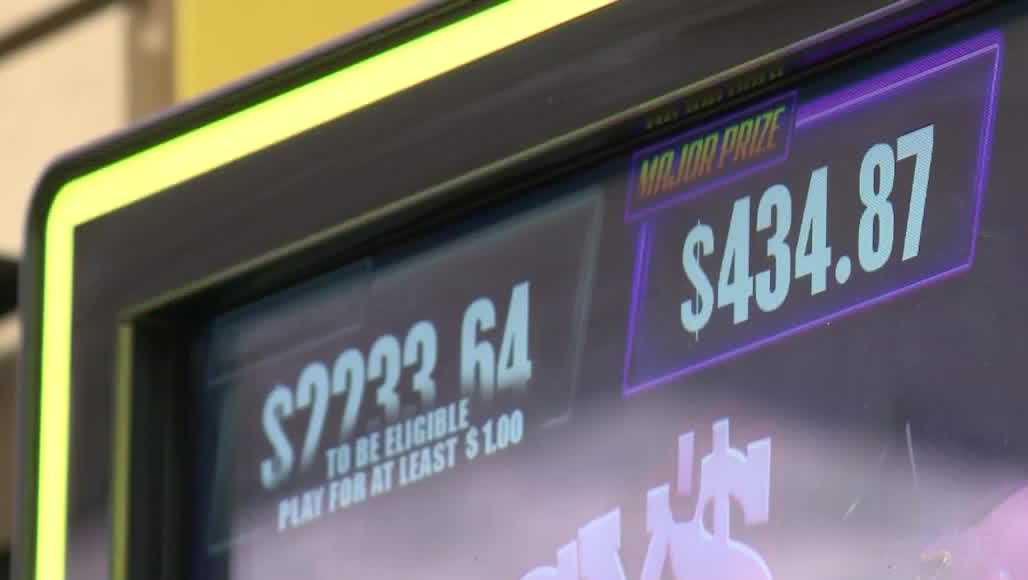
With skill game machines now classified as slot machines under a recent Pennsylvania Supreme Court ruling, lawmakers are facing increased pressure to legalize, regulate and tax the devices as budget negotiations continue in Harrisburg.
The ruling comes just two weeks before the state’s budget deadline and adds urgency to a debate that could affect state revenue, thousands of small businesses and nonprofit organizations that rely on income generated by the machines.
Lawmakers were given a 120-day window to address the ruling on the illegality of the devices, with the stay intended to allow for a remedy that could prevent the machines from being seized by law enforcement.
Business owners push for action
“Now that they’re illegal, there’s pressure to get it done,” said Angelo Karagiannis, owner of Zembie’s Sports Tavern, who has several skill game machines in his establishment.
Karagiannis said he was not surprised by the court’s decision but believes lawmakers must reach a compromise on taxation and regulation.
“I think it’s unacceptable if they can’t come together and at least start with a scale, start with a low tax, and then maybe build it up over years and evaluate it after a small period of time,” he said.
Tax rate remains a major sticking point
One of the biggest sticking points remains how heavily skill games should be taxed.
Gov. Josh Shapiro has proposed taxing the machines at a rate similar to casino slot machines, which are taxed at 52%.
Manufacturers of skill games have backed proposals with tax rates as low as 16% and have more recently floated the idea of a monthly flat fee. Some Senate Republicans have suggested a 35% tax rate as a compromise.
“Our whole point was if the edges of the spectrum aren’t going to make any advancement, let’s meet in the middle and let’s see if we can’t create a conversation from that point, and that’s where we still are,” said Sen. Chris Gebhard, R-Lebanon/Lancaster.
Regulation questions still unresolved
Gebhard said questions about regulation and where the machines should be allowed are just as important as the tax rate. He has suggested limiting skill games to establishments that hold liquor licenses.
Lawmakers have 120 days to address those questions following the court ruling, while also weighing the impact any proposal could have on the state’s finances.
Lawmakers weigh revenue and consumer protections
Rep. Emily Kinkead, D-Allegheny, said determining the appropriate tax rate will require balancing several competing interests.
“Making sure that we get the tax rate right — there are a lot of things to weigh in that capacity,” Kinkead said. “I think the easiest thing to do would be to wait out 120 days, but I don’t know that we really have the option to do that.”
House Minority Leader Jesse Topper, R-Bedford/Fulton, cautioned lawmakers against setting revenue targets before deciding on policy.
“Trying to pick a number and then go match it with the tax rate never works,” Topper said. “It’s not going to work here. It’s not going to work in the future. We need to resist the temptation to go hunting for revenue with a specific number. We need to look at the whole gaming industry.”
Meanwhile, some Democrats are advocating for stronger consumer protections, particularly for individuals vulnerable to problem gambling.
Rep. Ben Waxman, D-Philadelphia, said legislation under discussion would place limits on losses and restrict continuous play.
“One of the protections that we have would be to limit that and not allow the games to go on and on,” Waxman said. “We have loss limits built into the legislation so that we can limit the amount of money that people are losing in a given session.”
Budget deadline adds urgency
The debate over skill games is expected to remain a key issue as lawmakers work toward a final budget agreement before the state’s deadline.