
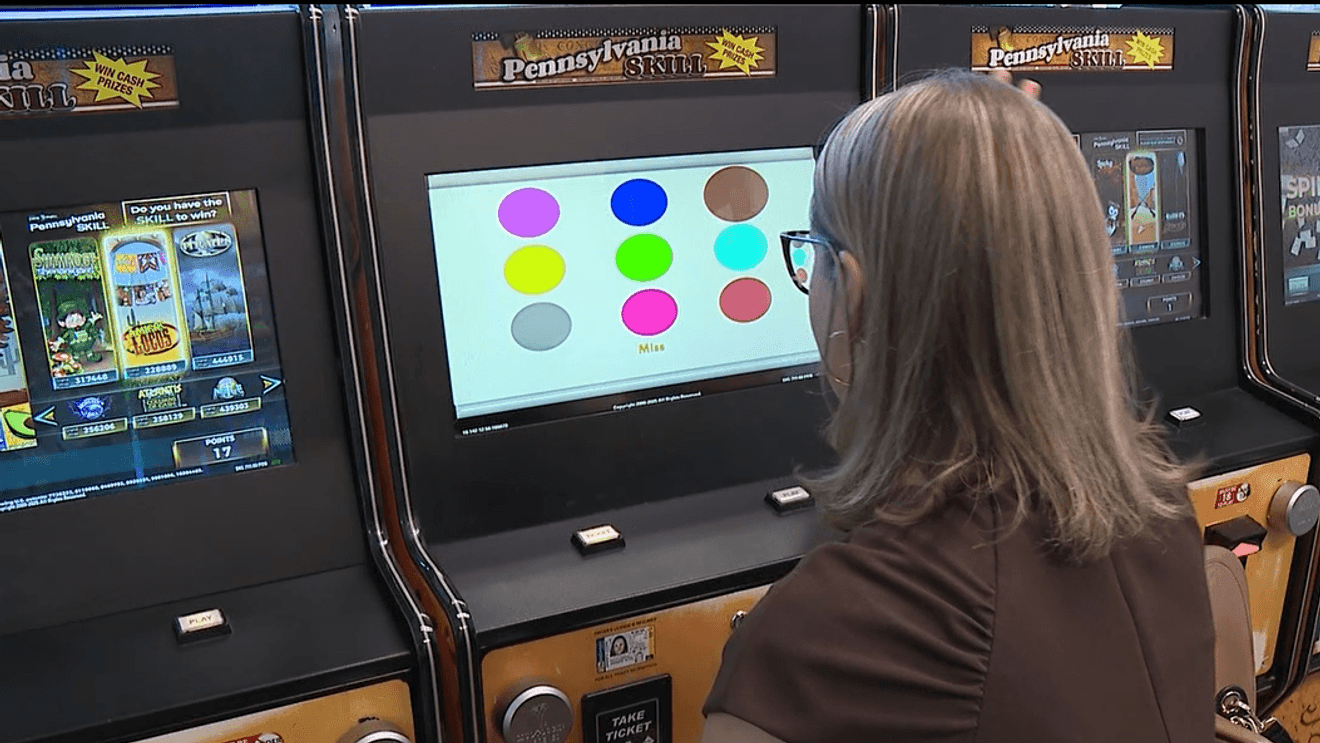
HARRISBURG, Pa. (WHP) — The debate surrounding the legality of “skill games” in Pennsylvania has been ongoing for more than a decade.
Most recently, the state Supreme Court ruled that these games are indeed slot machines, which could subject them to a number of regulations and taxes.
READ MORE | Pennsylvania Supreme Court says skill games are slot machines in new ruling
This decision overturned years of findings from lower courts and thrust a new question into the minds of businesses and establishments that house the state’s estimated 70,000 skill games: what now?
The state Supreme Court gave lawmakers 120 days to figure out how to handle the games before law enforcement can take any action against them.
The timeline below offers some context into major events and cases that got us to where we are today.
2004: Some gambling legalized in PA
The Gaming Act of 2004 legalized and regulated slot machines in Pennsylvania casinos.
The Gaming Act established some definitions for what constitutes a gambling device, saying a machine is a gambling device when it is “so intrinsically connected with gambling.”
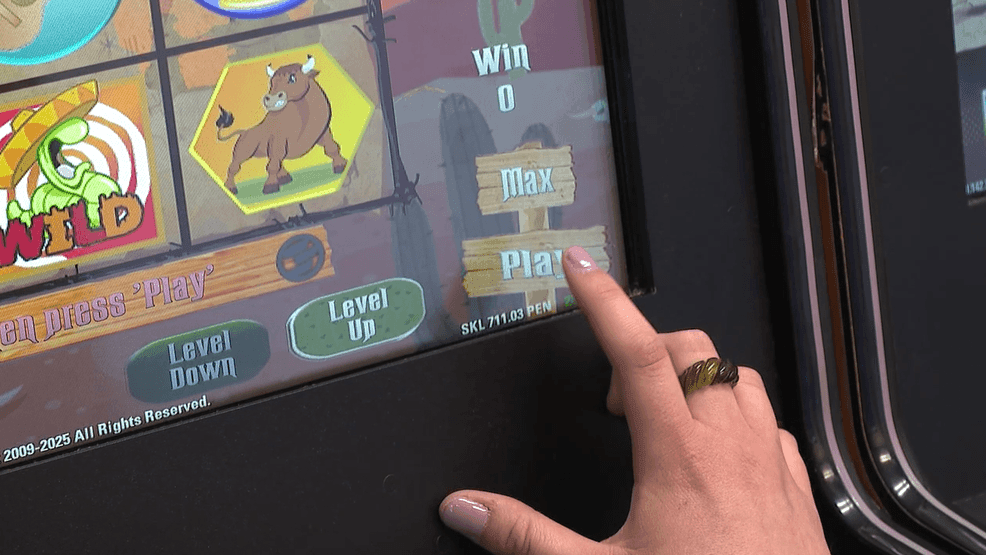
A Pennsylvania Skill game at a convenience store along 6th Street in Harrisburg, Pa., on Tuesday, June 16, 2026. The day prior, the Pennsylvania Supreme Court decided that the games do fit the description of slot machines. (WHP)
The goal of the Gaming Act was to protect the public from unlawful gambling and to only allow “limited gaming” in Pennsylvania.
In order to regulate gambling, the Gaming Act established the Pennsylvania Gaming Control Board, which can give licenses to casinos. It enforces the rules through fines, sanctions, or by suspending or taking away licenses.
2010: Gaming Act expanded to allow more forms of gambling
The Gaming Act was expanded in 2010 to allow table games at licensed casinos. (this included poker, blackjack, roulette, etc.)
2014: Pace-O-Matic introduces skill games to PA
In 2014, Pace-O-Matic introduced the Pennsylvania Skill game to the Keystone State..
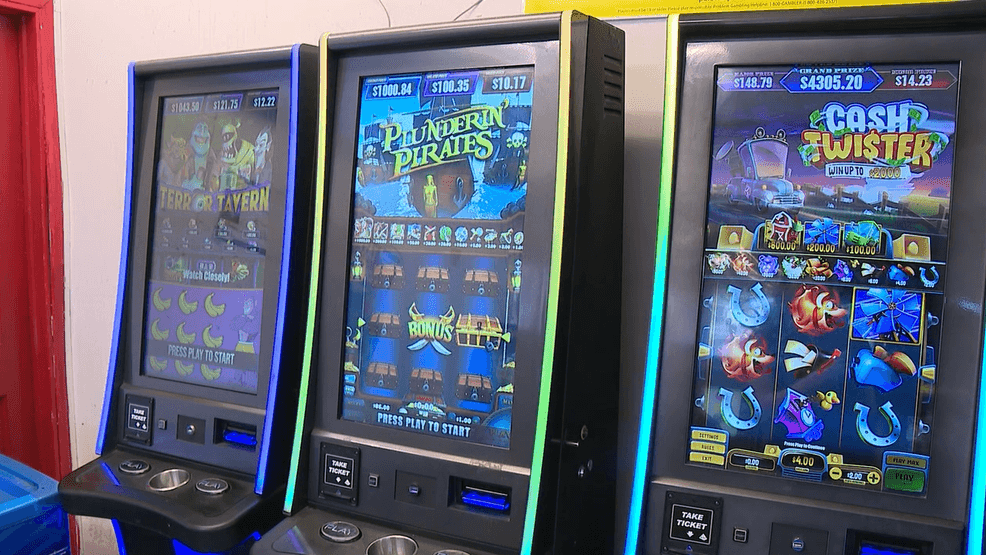
A Pennsylvania Skill game at a convenience store along 6th Street in Harrisburg, Pa., on Tuesday, June 16, 2026. The day prior, the Pennsylvania Supreme Court decided that the games do fit the description of slot machines. (WHP)
According to Pennsylvania Skill’s website, the company gave a gaming terminal to Pennsylvania State Police so troopers could assess the machines and confirm they were legal.
The Court of Common Pleas in Beaver County ruled it is a legal game of skill under Pennsylvania law.
How does the game work?
Players must pay to play a “Tic-Tac-Toe” style puzzle by spinning a virtual reel and changing one symbol to a “wild” symbol that could create a set of three matching symbols. Pennsylvania’s courts have upheld that this is not the “skill” portion of the game, however.
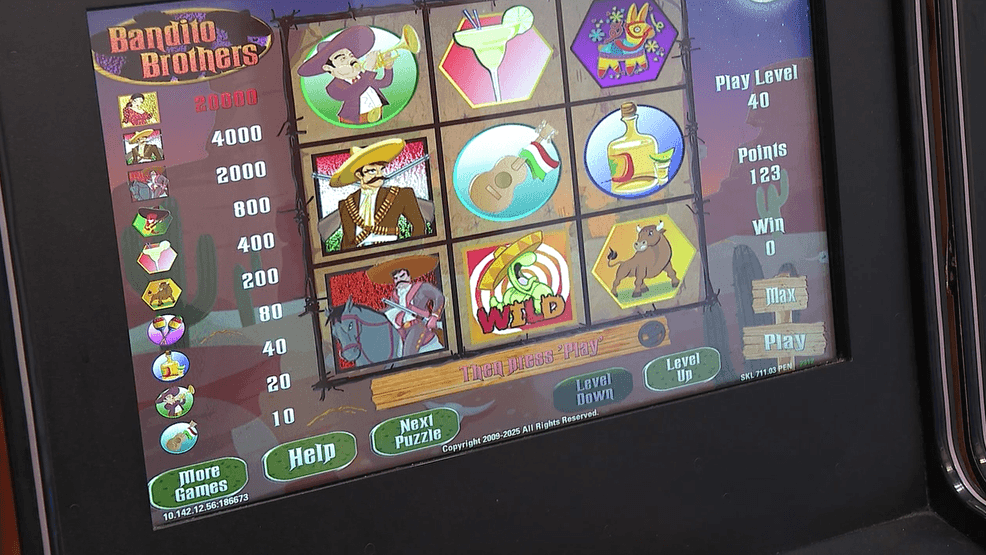
A Pennsylvania Skill game at a convenience store along 6th Street in Harrisburg, Pa., on Tuesday, June 16, 2026. The day prior, the Pennsylvania Supreme Court decided that the games do fit the description of slot machines. (WHP)
The alleged “skill” component comes into play when a player loses the initial game or wins less than they wagered. They are then given the option to play a game called “Follow Me,” a memory test similar to the game “Simon.” The memory test lasts 25 rounds, which each round adding a new step the player must remember.
If the player properly completes the “Follow Me” game, they win back 105% of their original amount wagered.
2017: Gaming Act updated again
In 2017, the Gaming Act was expanded to allow several new forms of gambling, like “interactive gaming” and “sports wagering”.
A “skill slot machine” was defined as a “slot machine in which the skill of the player, rather than the element of chance, is the predominant factor in affecting the outcome of the game.”
A “hybrid slot machine” was defined as a “slot machine in which a combination of the skill of the player and elements of chance affect the outcome of the game.”
A sponsor of this change had said he did not believe this would make all Pennsylvania skill games illegal, according to the state Supreme Court ruling.
2017-2018: Skill games seized in Philadelphia
In 2017 and 2018, law enforcement in Philadelphia began to seize Pace-O-Matic’s games from businesses and arrest employees.
Pennsylvania’s Department of Revenue argued that the games were gambling devices that were mostly dependent on chance, not skill, and because they were not licensed or taxed as gambling devices, they were illegal under Pennsylvania’s Gaming Act. The Department of Revenue wanted all of these games removed from establishments across Pennsylvania until they had the proper licenses.
POM (Pace-O-Matic) asked the Commonwealth Court to review this, arguing that the games are not illegal gambling devices because they are not games of chance, but games of skill, referring to the “Follow Me” memory game feature.
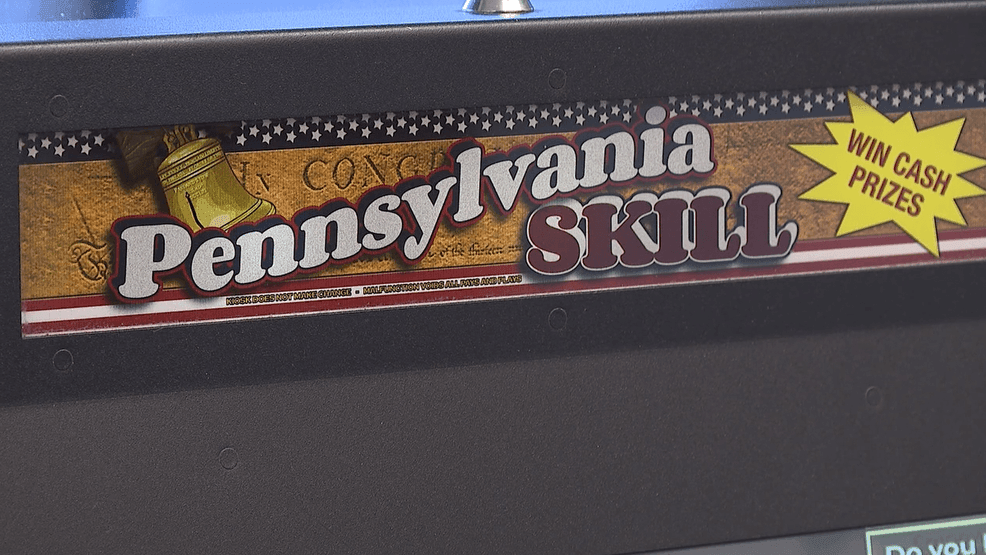
A Pennsylvania Skill game at a convenience store along 6th Street in Harrisburg, Pa., on Tuesday, June 16, 2026. The day prior, the Pennsylvania Supreme Court decided that the games do fit the description of slot machines. (WHP)
The Commonwealth Court ultimately sided with POM, arguing that while these machines did operate like slot machines, the Pennsylvania Gaming Act only applied to licensed manufacturers. The Court said the Gaming Act was only ever meant to apply to large-scale operations and casinos, not “taverns and social clubs.”
2019: Skill games seized in Dauphin County
On Dec. 9, 2019, members of Pennsylvania State Police’s Bureau of Liquor Control Enforcement seized three POM devices from the Champions Sports Bar in Dauphin County. They also seized a bag with $525.
State police never filed any charges in that case, but it did issue an administrative citation to Champions for allowing unlawful gambling activities.
The bar—along with Capital Vending, LLC, which owned these machines—filed a petition in the Dauphin County Court of Common Pleas, once again arguing that the devices are not illegal under the state’s Crimes Code because they are games of skill, not games of chance.
A trial court ruled that the games were legal, but the case was appealed to the Commonwealth Court. That court, too, argued the games do not fit the definition of a “slot machine” because of the “Follow Me” memory component.
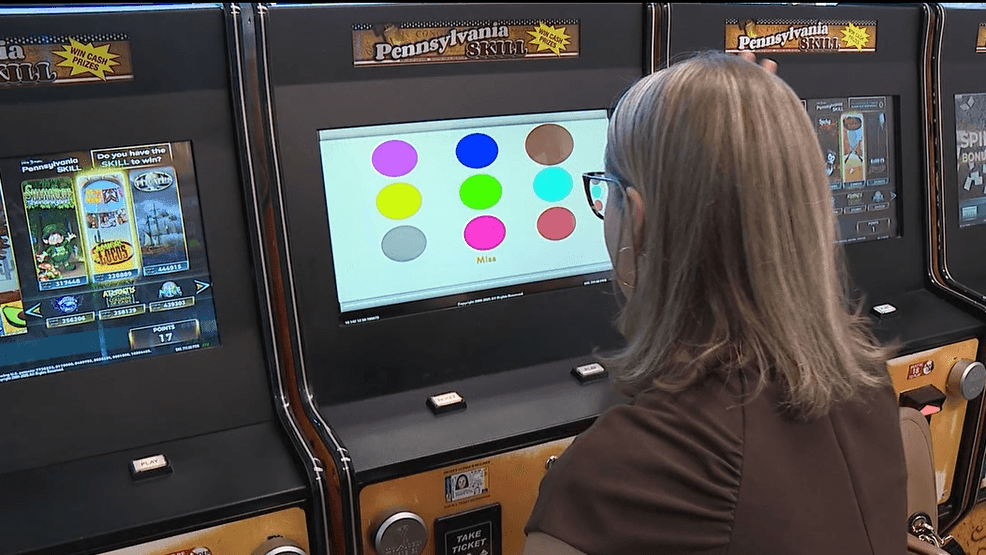
CBS 21 Reporter Grace Miller seated at a Pennsylvania Skill game at a convenience store along 6th Street in Harrisburg, Pa., on Tuesday, June 16, 2026. The day prior, the Pennsylvania Supreme Court decided that the games do fit the description of slot machines. (WHP)
So, the Commonwealth Court ordered that the seized machines must be returned.
In both cases, arguments centered around the definition of a “slot machine” and “gambling device,” and whether these skill games should be considered under the Game Act or the Crimes Code, and in which order.
Unsatisfied with these rulings, Pennsylvania’s Department of Revenue appealed to the State Supreme Court, bringing us to where we are today.
2026: State Supreme Court says skill games are slot machines
The state Supreme Court announced its ruling Monday that POM devices are, in fact, slot machines by definition.
Is the POM device a slot machine? Several times over. First, the device meets the general definition of a “slot machine” in the Gaming Act, and it always has. Second, especially after Act 42 of 2017 added two new terms to the definition of “slot machine” that specifically address the “skill” aspect of the device, the POM device—which for its entire legal existence depends upon its minor “skill” component—is also plainly either a “skill slot machine” or a “hybrid slot machine.” Take your pick.
Generally, in order to be called a gambling device, a machine must meet three standards:
Consideration (meaning a person must pay to play)A result determined by chance rather than skillReward offered
Justices argued that the POM machines are primarily games of chance, not skill, and thus meet all three criteria.
The state Supreme Court acknowledged the impact this ruling would have on many small businesses and establishments, so it gave lawmakers 120 days to figure out where to go next before any law enforcement action can be taken against the skill games.
READ MORE | ‘We’re going to get them:’ Law enforcement responds to PA skill games ruling
Over the years, a number of bi-partisan bills have been introduced in Pennsylvania to establish regulations and taxes of these skill games. Governor Josh Shapiro has previously advocated for a 52% tax on unregulated skill machines, citing a $200 million loss to the Pennsylvania Lottery over the past five years due to these games.
Shapiro was asked about the ruling on skill games Tuesday during an event in Allentown.
“I think we all knew that we need to do something to both regulate and tax skill games,” he said. “I’ve been calling for this for three straight years. I was encouraged when the leadership in the Senate yesterday said that they want to get it done now, and so what I’d encourage the Republican leadership in the Senate to do is to work with the Democratic leadership in the Senate and see what kind of package can get 26 votes in the chamber and get that bill to my desk.”
READ MORE | Pennsylvania lawmakers react to skill games ruling