
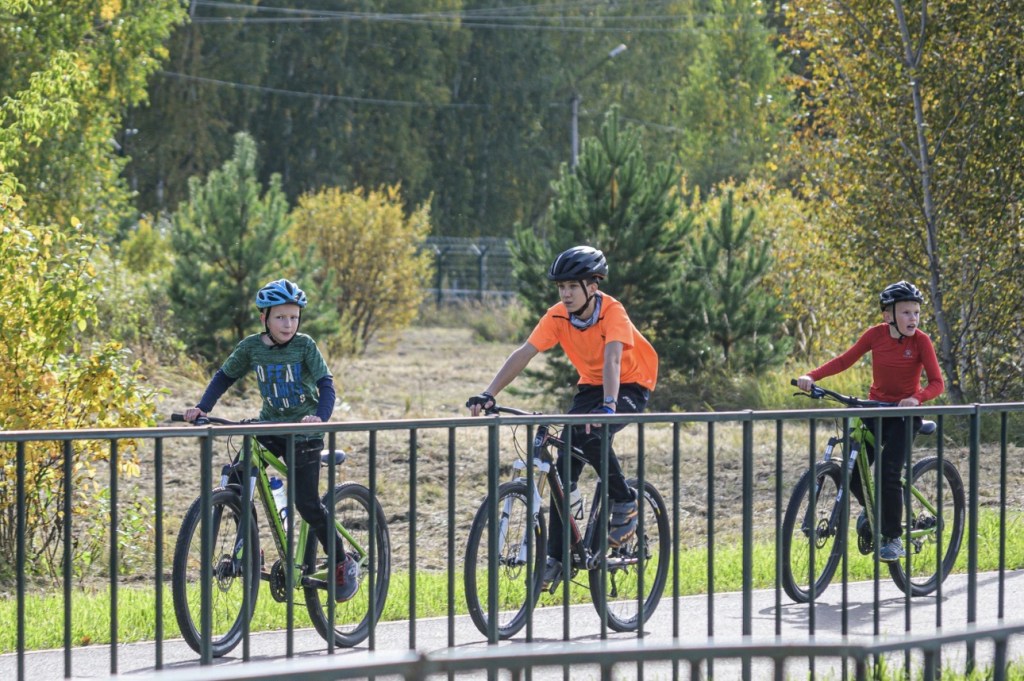
Now that the weather is consistently warm, the bike trails in Pottstown and beyond are ready and waiting to be put to good use.
We’re fortunate to have an incredible selection of trails within easy reach, all of which offer the opportunity to explore, spend time in nature, and get physical activity with family.
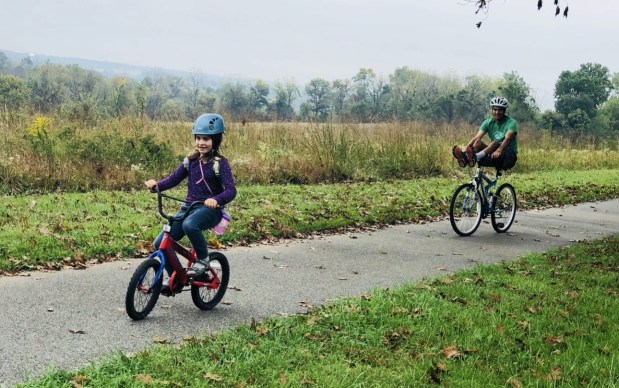 Bike rides offer an opportunity for family bonding time. (Photo submitted by Pexels)
Something important to remember before you hit the trails is the safety measures you should take to ensure that all ages are in the best position to have a safe and enjoyable ride.
There are different rules for cycling on trails versus the road, and in order to get to the trails, one often has to navigate both situations.
Different rules apply to standard bicycles versus e-bikes, which are much more present on the trails these days, posing yet more challenges to safe cycling.
Read on to brush up on cycle safety tips that will add to an enjoyable experience this summer for your entire family.
Bike safety for trail riding
Don’t forget your helmet. Pennsylvania state law requires all bicyclists under the age of 12 to wear an approved helmet. Helmets must be worn level and snug on top of the head with the chin strap securely fastened. Please be considerate of other trail users; ride to the right and signal when passing.
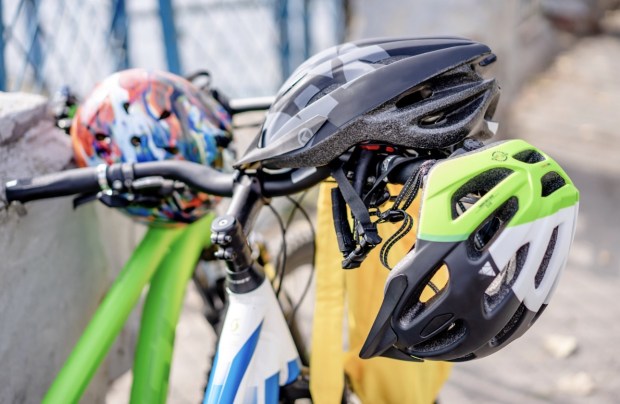 Pennsylvania state law requires all bicyclists under the age of 12 to wear an approved helmet. (Photo submitted by Pexels)
State park biking rules and regulations
All traditional bicycles and electric bicycles (e-bikes) are permitted on state park roads and any trails designated for biking or mountain biking.
Biking is prohibited on designated hiking-only trails and on any roads or trails marked as prohibited for bikes. All riders are required to maintain safe speeds at all times and comply with recommended and/or posted speed limits.
Using e-bikes
E-bikes are allowed on trails where regular bikes are allowed if they meet these rules:
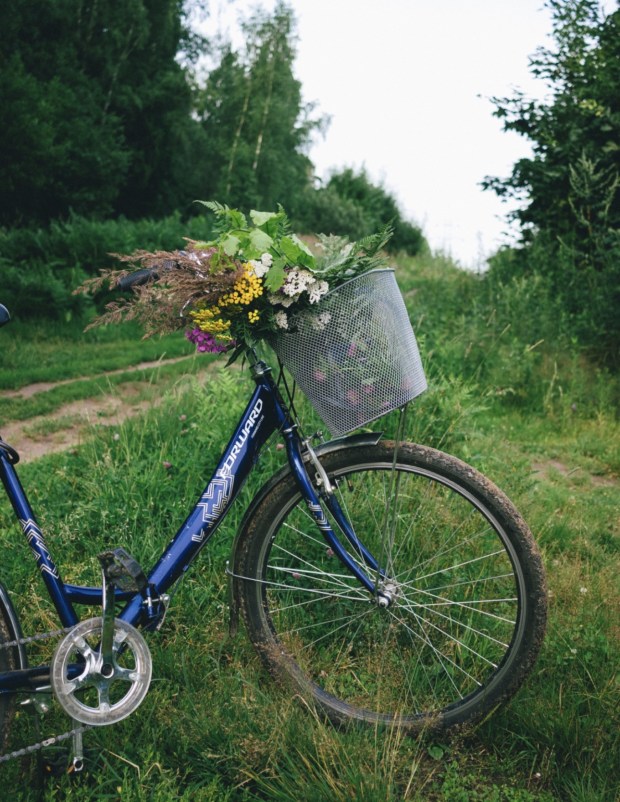 Cycling offers a chance to explore new areas and find beauty in nature. (Photo submitted by Pexels)
• Weigh no more than 100 pounds
• Do not go faster than 20 mph using the motor
• Have a motor no bigger than 750 watts
• Have working pedals
E-bikes can also be used on Pennsylvania Department of Conservation and Natural Resources motorized trails and public-use roads unless signs say bikes are not allowed.
On non-motorized trails, r-bike riders must pedal to move the bike. Using the throttle alone is not allowed.
Trails where e-bikes are not allowed include:
• Natural areas
• Hiking trails marked with yellow or orange blazes
• Trails or roads with “No Biking” signs
Other public lands in Pennsylvania (like federal lands, local parks, game lands, and preserves) may have different rules. Check before you go.
Riders should know their battery size and charging options. Do not assume trails have charging stations.
E-bike safety and etiquette tips
Safety and courtesy should always be a priority when biking:
• Know the type and specifications of the device you’re riding and where you can ride it.
• Maintain safe speeds at all times, consider trail and weather conditions, and always be cognizant of other users along the trail.
• Stay to the right, pass on the left.
• Let other trail users know you are coming — give a friendly greeting.
• Limit distractions, don’t impair your hearing (i.e., by wearing headphones or ear buds).
• Obey all trail and road signs.
• Slow down in congested areas.
• If you’re on wheels, yield to pedestrians.
• Use special care when passing horses.
• Helmets are required by law for persons under the age of 12 and are recommended for bicyclists of all ages.
• Maintain a single file when passing or being passed.
• Stay on the trail. Do not go off the trail (even to pass), create new trails, or cut switchbacks.
• Don’t block the trail. When taking a break, move to the side of the trail to allow others to pass safely.
• Expect the unexpected. Humans and animals can be unpredictable.
For more information on bike safety and laws, visit www.pa.gov