ISN’T, AND FIND STRATEGIES FOR THE BEST CARE POSSIBLE. WE’RE SEEING A HUGE SPIKE IN THE RISE OF MELANOMA’S EARLY STAGE AND AGGRESSIVE IN OLDER PATIENTS. WITH SUMMERTIME FINALLY HERE, SO MANY OF US ARE EAGER TO GO OUT AND SOAK UP THOSE UV RAYS. BUT MELANOMA SKIN CANCER IS THE FIFTH MOST COMMON TYPE OF SKIN CANCER IN THE U.S. AND WHAT’S EVEN WORSE, IT’S PROJECTED TO BECOME THE SECOND MOST COMMON CANCER WITHIN THE NEXT 15 YEARS. SO WHY ARE CASES ON THE RISE HERE? AND HOW CAN YOU BE SURE THAT YOU’RE PROTECTING YOUR SKIN? ELAINA HEARS FROM THE EXPERTS AND A MELANOMA SURVIVOR FROM RIGHT HERE IN PENNSYLVANIA. 58 YEAR OLD CHRISTIE TELLS ME WITH HER FAIR SKIN, BLOND HAIR AND LIGHT COLORED EYES, SHE KNEW SHE WAS PREDISPOSED TO BURN IN THE SUN OR EVEN DEVELOP SUN RELATED ISSUES. BUT FOR DECADES, THAT DIDN’T STOP HER. GROWING UP, I WAS A SUN WORSHIPER. AND, YOU KNOW, USED THE ALBUM AND THE BABY OIL AND ALL THAT TERRIBLE STUFF. LAST YEAR, CHRISTIE NOTICED THIS SMALL PINK FRECKLE ON THE BACK OF HER HEEL. SHE SAID NOTHING IN PARTICULAR FELT CONCERNED ABOUT THE SPOT. SHE JUST DIDN’T LIKE IT. ULTIMATELY ASKING HER DOCTOR TO REMOVE IT. IT CAME BACK AS AN IN-SITU MELANOMA. AT FIRST, AND THEN THEY CALLED THE LAB, CALLED ME TEN DAYS LATER AND SAID IT’S A MALIGNANT MELANOMA. WITHIN DAYS, SHE HAD A GOLF BALL SIZED PIECE OF HER HEEL NEXT TO HER. ACHILLES REMOVED. HER DOCTOR ALSO REMOVED THE LYMPH NODES IN HER GROIN, JUST AS A PRECAUTIONARY MEASURE. THE DAY AFTER THANKSGIVING, HE CALLED ME AT 930 IN THE MORNING. I THOUGHT, OH, THIS IS NOT GOOD. THE DOCTOR’S CALLING ME DURING THANKSGIVING BREAK, AND HE SAID THAT THE PATHOLOGY CAME BACK AND ONE OF THE THREE LYMPH NODES HAD A LITTLE BIT OF MELANOMA IN IT. THAT CALL FROM HER DOCTOR CONFIRMING HER MALIGNANT MELANOMA WAS METASTATIC SPREADING BEYOND JUST HER ANKLE. MELANOMA LOVES TO GO TO THE LYMPH NODES OR SPREAD DISTANTLY. AND THAT’S ALWAYS THE CONCERN HERE. SO WHAT HAPPENED TO HER DOES HAPPEN UNFORTUNATELY TO QUITE A BIT OF PEOPLE WHERE WHEN WE FIND MELANOMA IT’S ALREADY HAD SOME SPREAD. AND THEN REMOVING IT AND TREATING IT BECOMES A LITTLE BIT MORE DIFFICULT. DOCTOR DEANNA HOFFMAN, WHO’S A PART OF CHRISTIE’S CARE TEAM, SAYS MELANOMA CASES ARE ON THE RISE. ABOUT 100,000 NEW CASES OF MELANOMA ARE REPORTED IN THE U.S. PER YEAR, BUT BY 2040, THAT NUMBER IS EXPECTED TO JUMP UP TO ALMOST HALF A MILLION CASES PER YEAR. DOCTOR HOFFMAN SAYS IT’S FROM POORLY REGULATED TANNING FROM THE 50S THROUGH THE 80S. A LOT OF WHAT HAPPENS IS WHEN YOU DAMAGE YOUR SKIN IN YOUR TEENS AND YOUR 20S, MELANOMA CAN SIT DORMANT OR CAN ACCUMULATE MORE DAMAGE OVER TIME. AND THAT’S SOMETHING WHERE YOU’RE GOING TO SEE MELANOMA POP UP LATER IN YOUR LIFE, LIKE MAYBE IN YOUR 50S, 60S, OR 70S. THE START OF SUMMER IS A GREAT TIME TO REMEMBER ALL THE WAYS YOU CAN PROTECT YOURSELF FROM THE SUN’S DANGEROUS UV RAYS WEAR SUNSCREEN OF AT LEAST SPF 30 AND REAPPLY OFTEN, ESPECIALLY IF YOU’RE SWEATING OR IN THE WATER. COVER YOUR SKIN WITH LONG SLEEVES AND PANTS. WEAR HATS TO PROTECT YOUR SCALP AND SUNGLASSES TO PROTECT YOUR EYES. AVOID SUNLIGHT DURING THE PEAK HOURS OF NOON AND FOUR. AND WHILE YOU SHOULD ENJOY THE POOL OR BEACH, SPEND MOST OF YOUR TIME UNDER AN UMBRELLA. DOCTOR HOFFMAN ALSO SAYS WHEN YOU’RE CHECKING YOUR SKIN FOR ODD OR NEW SPOTS, BE SURE TO LOOK EVERYWHERE. THAT INCLUDES BEHIND YOUR EARS, ON YOUR SCALP, BETWEEN YOUR TOES AND THE BOTTOMS OF YOUR FEET, BETWEEN YOUR FINGERS, AND EVEN IN YOUR NAIL BEDS. SHE EVEN ENCOURAGES WOMEN TO TAKE A BREAK FROM NAIL POLISH EVERY NOW AND AGAIN. AS FOR KRISTI, SHE UNDERWENT A YEAR OF KEYTRUDA IMMUNOTHERAPY TREATMENT AND IS LOOKING FORWARD TO THE SUMMER WHILE BEING MUCH MORE CAUTIOUS IN THE SUN. WHEN I ASKED HER IF SHE WOULD HAVE DONE ANYTHING DIFFERENTLY WHEN SHE WAS YOUNGER. OH MY GOSH, A. I WOULD HAVE NEVER GOTTEN A BURN. FIRST OF ALL, I WOULD HAVE NEVER GONE TO A SUNTAN BED AND I WOULD HAVE WORN SUNBLOCK. I WOULD HAVE STAYED OUT OF, YOU KNOW, I WOULD HAVE GONE IN THE SUN. I JUST WOULD HAVE BEEN MUCH MORE CAREFUL. AND THAT WAS ELENA LAQUATRA REPORTING FOR US. DOCTORS WANT TO REMIND YOU OF THE ABC’S OF MELANOMA. A THAT’S FOR ASYMMETRY THAT SPOTS THAT’S NOT PERFECTLY ROUND BE IRREGULAR BORDERS. JAGGED EDGES AROUND THE SPOT. SEE THAT’S COLOR, A COLOR YOU DON’T NORMALLY SEE ON YOUR BODY. D DIAMETER A SPO
Pennsylvania woman shares melanoma journey as cases rise across the U.S.

Updated: 6:00 PM EDT Jun 23, 2026
Melanoma, the fifth most common cancer in the U.S., is projected to become the second most common within 15 years, as cases continue to rise across the country. A Pennsylvania woman’s melanoma diagnosisChristy Redican, a 58-year-old Pennsylvania resident, shared her experience with melanoma after years of sun exposure. “Growing up, I was a sun worshiper and, you know, use the aloe and the baby oil and all that terrible stuff,” Redican said. Last year, Redican noticed a small, pink freckle on the back of her heel. Though it didn’t seem concerning, she asked her doctor to remove it. “It came back as an in situ melanoma at first. And then they called the lab, called me ten days later and said it’s a malignant melanoma,” she said. Within days, Redican underwent surgery to remove a golf ball-sized piece of her heel near her Achilles tendon.Her doctor also removed lymph nodes in her groin as a precaution.Her cancer had already spread”The day after Thanksgiving, he called me at 9:30 in the morning and I thought, oh, this is not good. The doctor’s calling me during Thanksgiving break. And he said that the pathology came back and one of the three lymph nodes had a little bit of the melanoma in it,” Redican said. That call confirmed her melanoma had metastasized, spreading beyond her ankle.Why melanoma is so dangerousDr. Deanna Huffman, part of Redican’s care team, explained, “Melanoma loves to go to the lymph nodes or spread distantly. And that’s always the concern here. So, what happened to her does happen unfortunately to quite a bit of people where when we find melanoma, it’s already spread. And then removing it and treating it becomes a little bit more difficult.” Why experts expect more casesDr. Huffman noted that melanoma cases are increasing, with about 100,000 new cases reported annually in the U.S.By 2040, that number is expected to rise to half a million cases per year. She attributed the spike to poorly regulated tanning practices from the 1950s through the 1980s.”What happens is when you damage your skin in your teens and in your 20s, melanoma can sit dormant or can accumulate damage over time. And that’s something where you’re going to see a melanoma pop up later in your life, like maybe in your 50s, 60s, or 70s,” Huffman said. As summer begins, experts recommend several ways to protect yourself from harmful UV rays:Wear sunscreen with at least SPF 30 and reapply often, especially when sweating or swimming.Cover your skin with long sleeves and pants.Wear hats to protect your scalp and sunglasses to shield your eyes.Avoid sunlight during peak hours between noon and 4 p.m.Spend time under umbrellas at the pool or beach.Dr. Huffman also emphasized the importance of thoroughly checking your skin for unusual or new spots, including behind your ears, on your scalp, between your toes, on the bottoms of your feet, between your fingers, and even in your nail beds.She encouraged women to occasionally take breaks from nail polish to monitor their nails. Redican underwent a year of Keytruda, an immunotherapy treatment, and is now looking forward to summer while being more cautious in the sun. Reflecting on her younger years, she said, “Oh my gosh, a ton. I would never have gotten a burn. First of all, I would have never gone to a sun tan bed and I would have worn sunblock. I would have stayed at it, you know? I would have gone in the sun. I just would have been much more careful.” Doctors also remind people to follow the ABCDEs of melanoma: A: Asymmetry – a spot that’s not perfectly round. B: Irregular borders – jagged edges around the spot. C: Color – a color you don’t normally see on your body. D: Diameter – a spot greater than 6 millimeters. E: Evolution – changes over time.
Melanoma, the fifth most common cancer in the U.S., is projected to become the second most common within 15 years, as cases continue to rise across the country.
Hearst OwnedThe Skin Cancer Foundation
A Pennsylvania woman’s melanoma diagnosis
Christy Redican, a 58-year-old Pennsylvania resident, shared her experience with melanoma after years of sun exposure. “Growing up, I was a sun worshiper and, you know, use the aloe and the baby oil and all that terrible stuff,” Redican said.

Hearst Owned
Christy Redican
Last year, Redican noticed a small, pink freckle on the back of her heel. Though it didn’t seem concerning, she asked her doctor to remove it. “It came back as an in situ melanoma at first. And then they called the lab, called me ten days later and said it’s a malignant melanoma,” she said.
Within days, Redican underwent surgery to remove a golf ball-sized piece of her heel near her Achilles tendon.
Her doctor also removed lymph nodes in her groin as a precaution.
Her cancer had already spread
“The day after Thanksgiving, he called me at 9:30 in the morning and I thought, oh, this is not good. The doctor’s calling me during Thanksgiving break. And he said that the pathology came back and one of the three lymph nodes had a little bit of the melanoma in it,” Redican said.
That call confirmed her melanoma had metastasized, spreading beyond her ankle.
Why melanoma is so dangerous
Dr. Deanna Huffman, part of Redican’s care team, explained, “Melanoma loves to go to the lymph nodes or spread distantly. And that’s always the concern here. So, what happened to her does happen unfortunately to quite a bit of people where when we find melanoma, it’s already spread. And then removing it and treating it becomes a little bit more difficult.”
Why experts expect more cases
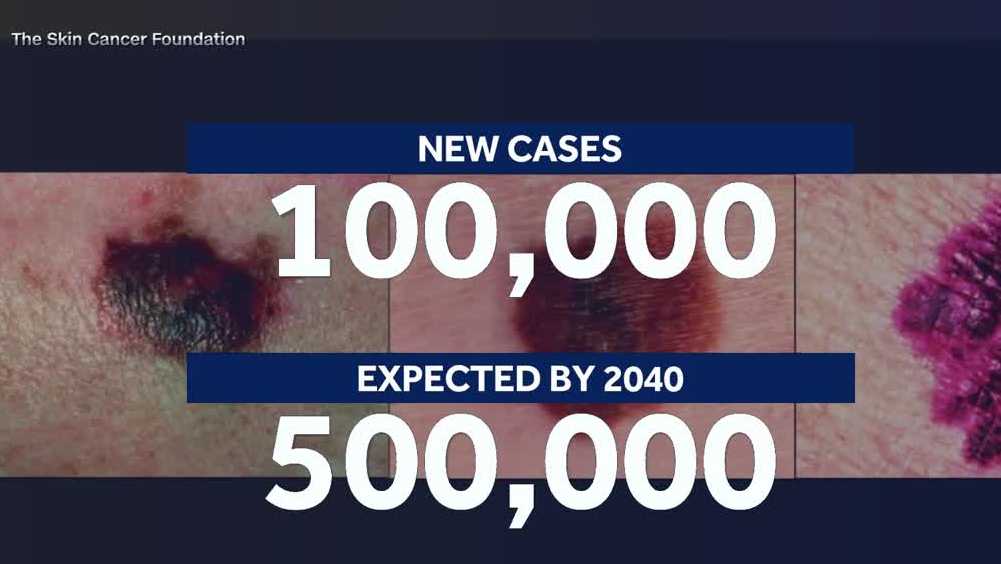
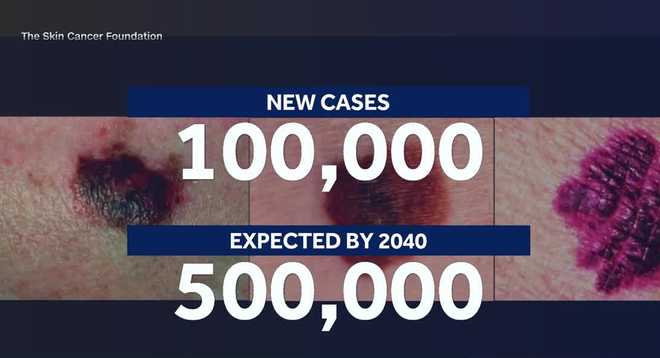
Dr. Huffman noted that melanoma cases are increasing, with about 100,000 new cases reported annually in the U.S.
By 2040, that number is expected to rise to half a million cases per year. She attributed the spike to poorly regulated tanning practices from the 1950s through the 1980s.
“What happens is when you damage your skin in your teens and in your 20s, melanoma can sit dormant or can accumulate damage over time. And that’s something where you’re going to see a melanoma pop up later in your life, like maybe in your 50s, 60s, or 70s,” Huffman said.
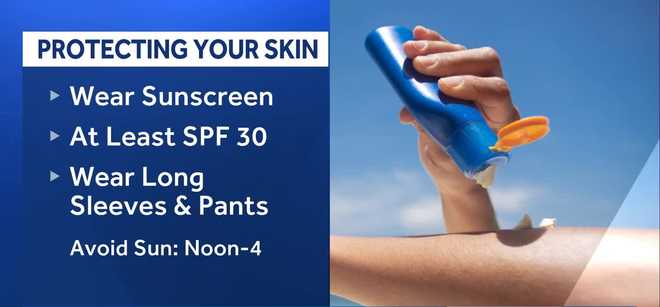
As summer begins, experts recommend several ways to protect yourself from harmful UV rays:Wear sunscreen with at least SPF 30 and reapply often, especially when sweating or swimming.Cover your skin with long sleeves and pants.Wear hats to protect your scalp and sunglasses to shield your eyes.Avoid sunlight during peak hours between noon and 4 p.m.Spend time under umbrellas at the pool or beach.
Dr. Huffman also emphasized the importance of thoroughly checking your skin for unusual or new spots, including behind your ears, on your scalp, between your toes, on the bottoms of your feet, between your fingers, and even in your nail beds.

She encouraged women to occasionally take breaks from nail polish to monitor their nails.
Redican underwent a year of Keytruda, an immunotherapy treatment, and is now looking forward to summer while being more cautious in the sun. Reflecting on her younger years, she said, “Oh my gosh, a ton. I would never have gotten a burn. First of all, I would have never gone to a sun tan bed and I would have worn sunblock. I would have stayed at it, you know? I would have gone in the sun. I just would have been much more careful.”
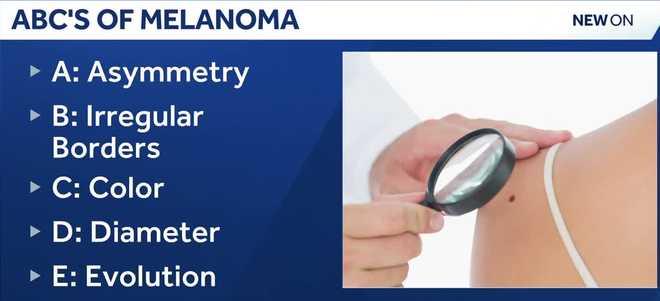
Doctors also remind people to follow the ABCDEs of melanoma:
A: Asymmetry – a spot that’s not perfectly round.
B: Irregular borders – jagged edges around the spot.
C: Color – a color you don’t normally see on your body.
D: Diameter – a spot greater than 6 millimeters.
E: Evolution – changes over time.