
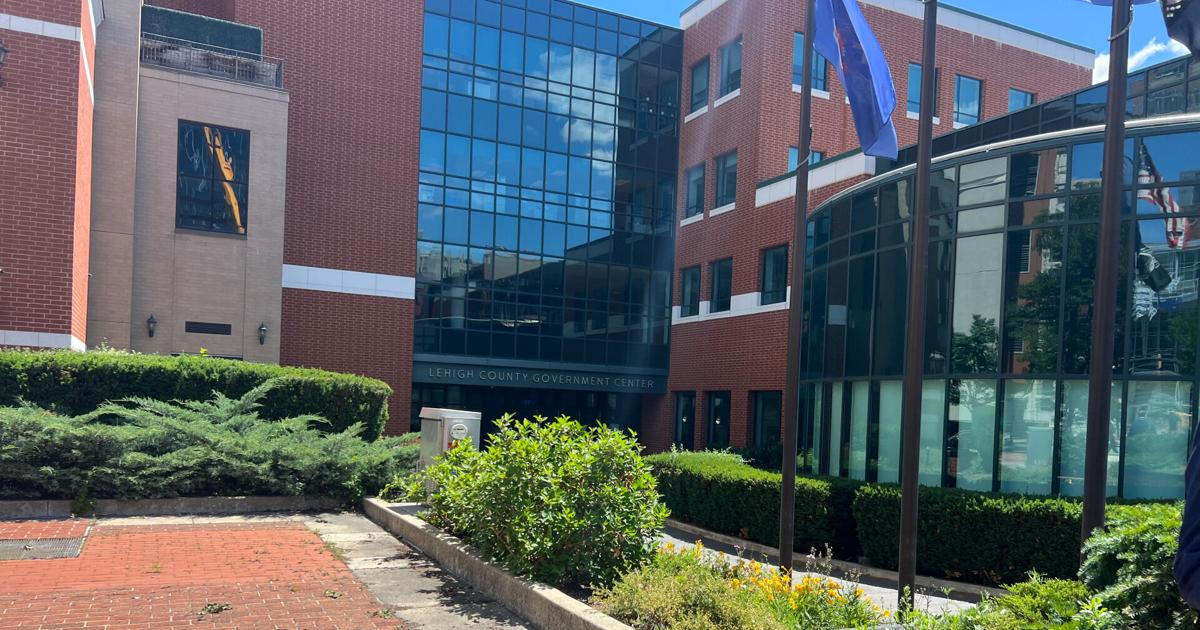
ALLENTOWN, Pa. – The Lehigh County Board of Commissioners on Wednesday approved a policy prohibiting federal immigration authorities from using county-owned property to stage, process or conduct immigration enforcement operations.
“We don’t want people to be afraid of our public spaces; we want people to enjoy them,” said county Executive Joshua Siegel on Wednesday.
The measure, Resolution 2026-27, was sponsored by Commissioners Jon Irons and Zach Cole-Borghi and passed in a 6-2 vote.
The resolution bars federal immigration authorities from using county buildings, parking lots, parks, open space and other county-owned property as staging areas or operational bases for immigration enforcement activities. Exceptions are provided for facilities controlled by the judiciary and certain Department of Corrections operations.
Irons said the policy is intended to make clear that county resources exist for residents and county operations —not federal immigration enforcement efforts.
“County land is for the enjoyment of county residents; access is not to be used for federal immigration efforts,” Irons said.
Supporters argued the measure would help reassure immigrant communities and reduce the county’s exposure to legal liability stemming from immigration enforcement actions.
Several residents urged commissioners to adopt the policy, citing concerns about racial profiling, unlawful detentions and the conduct of federal immigration authorities.
Opponents said the county should not impede federal operations and questioned whether the policy sends the wrong message about cooperation with law enforcement.
Commissioners Sheila Alvarado, Geoff Brace, Cole-Borghi, Sarah Fevig, Irons, and April Riddick voted in favor of the measure. Commissioners Dan Hartzell and Antonio Pineda voted against it.
Employee interactions with government officials
Also, on Wednesday, commissioners voted 6-2 to defer taking action on Resolution 2026-26, a companion proposal to 2026-27, which governs employee interactions with immigration officials.
“These two actions go together to clarify our stance and use of county resources,” Irons said.
The policy would require employees to notify supervisors and the county solicitor before granting access to non-public areas or releasing non-public information. Termination could result in some instances.
Commissioner Pineda opposed the measure and called it “bad policy.”
“In general, a noncooperation policy is a bad policy; we should be cooperating with law enforcement,” Pineda said.
He argued the policy puts employees in a tough spot between federal law and a potential county policy.
“You’re basically telling the employee to pick one, get arrested, or get fired,” Pineda said.
Irons argued that the policy sets rules for interactions and sets expectations for employees to comply with federal employees.
Siegel said that cooperation would always occur when legally obligated.
Fevig said county employees had raised concerns about implementation, training requirements, and potential disciplinary consequences.
“Our employees are already facing hard jobs. I want to be thinking of everyone while we’re making this decision,” said Commissioner Alvarado, who suggested more work was needed on the measure.
Irons supported the delay, saying that employee feedback suggested additional clarification may be helpful before the policy is considered for adoption.
Other commissioners agreed, prompting the board to postpone consideration until its July 8 meeting.
The debate over both measures drew extensive public comment, with speakers split between those who viewed the proposals as necessary safeguards for residents and county employees and those who argued the policies could undermine cooperation with federal authorities. Resolution 2026-26 is expected to return to commissioners for further discussion on July 8.