
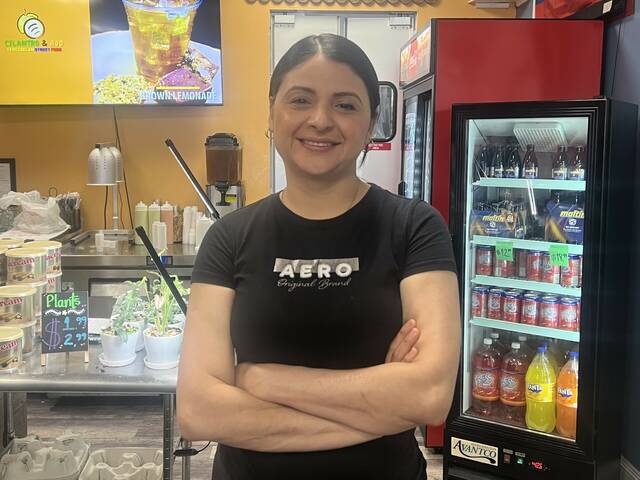
On Wednesday evening Marlyn Parra, 42, was working in her restaurant, Cilantro & Ajo in Pittsburgh’s South Side neighborhood, when she saw multiple missed calls from her family members in Venezuela.
“When I saw the missed calls, I knew something bad was happening,” she said. “You start to feel like, something is in your stomach.”
When she answered the phone, she learned that a magnitude 7.5 earthquake had hit the north of Venezuela. Its shocks rippled through Caracas, the nation’s capital with a population of several million people.
As of Thursday evening, at least 188 deaths had been reported with more than 1,500 injured after a pair of earthquakes, the first being a magnitude of 7.2, followed a minute later by the more powerful one, according to The Associated Press.
“It’s hard to describe,” Parra said. “You feel relieved because you’re not living there … but you think about others who are just spending time in their homes and everything’s changed.”
Parra left Venezuela in 2015, arriving in Pittsburgh to live with her husband’s family.
She left behind her mother in Chile. Her father, aunt, uncle, grandmother and friends are in Caracas.
Her aunt’s apartment collapsed during the earthquake, though she was not inside when it fell.
Parra said her aunt and several others fled the building when they saw others running and settled in a city square to wait out the quake outdoors.
“They stayed there all night,” she said. “She told me that when the earthquake was happening, the two buildings were touching together.”
Ismael Gonzalez, another Venezuelan living in Pittsburgh, said his friends near Caracas were also forced out of their apartments.
Their building, a few miles outside Caracas, had suffered too much structural damage to house its tenants when the quake ended.
Gonzalez, 44, said they will have to move in with family members in another part of the city for shelter.
His mother, who works as a nurse at a clinic in Caracas, said she watched as buildings fell down around her during her shift.
Gonzalez was on the way home from work when he received news of the disaster.
He said when he checked his phone, he was “really, really worried, and concerned… sad.”
“That’s the feeling that we have every day, because we are far from our family members and friends,” he said. “But this earthquake is different … it’s heartbreaking.”
Gonzalez cannot return to Venezuela while U.S. asylum status is pending. He said he tries to stay focused on his work with the education program at Casa San José — a nonprofit based in Pittsburgh that offers resources to Latino immigrants — and spends time with his kids, ages 11 and 13, for comfort.
He says he was forced to flee Venezuela after being threatened by executives in the oil industry. However, he said he feels fulfilled here as he waits to finish asylum proceedings.
Parra said her friends in Pittsburgh are working to send money to families back home.
“They don’t have water, they don’t have shoes from running for their lives,” she said.
Sending money back to her loved ones at home is one of the ways Parra feels most reassured in her decision to move to Pittsburgh.
“I just sent money to my aunt and uncle to buy food for them and their family,” she said. “Because I’m working hard, I can pay for that food. And that makes me feel good.”
While Parra has no plans to go back home to visit her family, she has faith that they are doing well with the aid that has been coming in from other countries this year, following former president Nicolás Maduro’s forced removal in a U.S. military operation.
For now, Parra said she and her family are waiting to hear from officials about next steps to repair the damage left by the earthquakes.