
An annual summer tradition is back and this time the bears will be around.
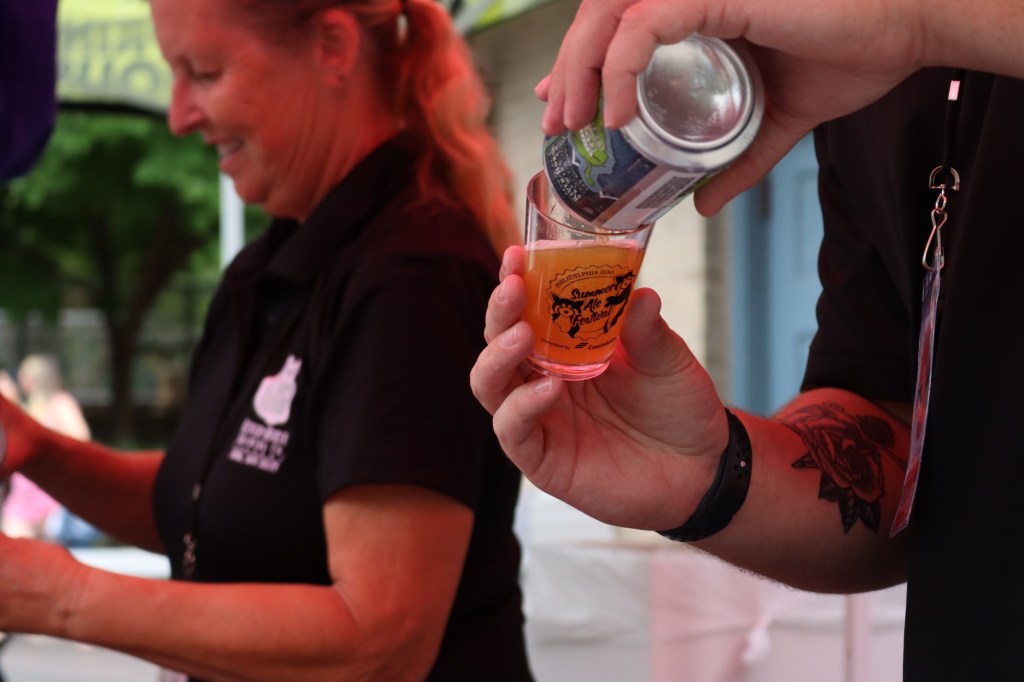
The Philadelphia Zoo’s Summer Ale Festival is July 18, from 6 to 10 p.m., with more than 100 beers, ciders, seltzers, meads, teas, spirits and non-alcoholic options, including 13 new vendors.
“For many of our guests, Summer Ale Festival has become a can’t-miss tradition with friends and family,” said Philadelphia Zoo Vice President of Marketing and Communications Patrick McMaster. “The party atmosphere around the zoo is impeccable, with more than 100 unique and refreshing beverages to sample, plus the best food trucks in the region serving up top quality dishes. We also have an awesome lineup of live music for everyone to enjoy. Most important of all, every ticket sale directly supports the care of all the Zoo’s animals, including many that guests can meet while they’re here.”
Tickets and more information about the Summer Ale Festival can be found at www.philadelphiazoo.org. Tickets are not sold at the door and the event is strictly 21-plus.
This popular event is the only place in the region where you can sip with snow leopards, toast near tigers and cheer with Andean bears.
Performing live this year on the Impala Lawn Stage are Philly-based bands Nik Greeley and the Operators as well as Echo Kid and Moonroof.
This year’s beverage lineup includes newcomers like Bald Birds Brewing Co., Ship Bottom Brewery, Good Boy Vodka, Ironbound Cider and NA Beer Club. Some of the region’s best local food trucks will be serving up specials during the festival.
 The Carey Bear Country is a state-of-the-art facility for the Philadelphia Zoo’s endangered bears. (Courtesy of the Philadelphia Zoo)
Meanwhile, the zoo recently opened the Francis J. Carey Bear Country.
The totally re-imagined, $25 million state-of-the-art habitat was built with the highest standards of animal care in mind, making it one of the best in the country for endangered bears.
Carey Bear Country includes newly refreshed and upgraded habitats, with the addition of a third, brand-new habitat, dedicated behind-the-scenes indoor and outdoor den spaces to support breeding programs, and a brand-new Zoo360 trail for the bears to explore, all of these additions enhancing the zoo’s animal care program.
Throughout Carey Bear Country, there will be new ways for guests to get closer to the zoo’s bears with cave-like glass viewing areas. Interactive, educational signage throughout the space will tell the stories of Andean bears and sloth bears, the threats they face in the wild, and how Philadelphia Zoo is making a difference in their conservation.
Andean bears are the only bear species native to South America and live in the Andes Mountains.
They have light, circular or semi-circular markings on their faces, which is why they are also called spectacled bears.
They are excellent climbers and are known for building nests in trees to both eat and sleep. They eat fruits, berries and shrubs and eat the most plants of any other bear species. This species faces threats including habitat loss and degradation, human conflicts, and poaching.
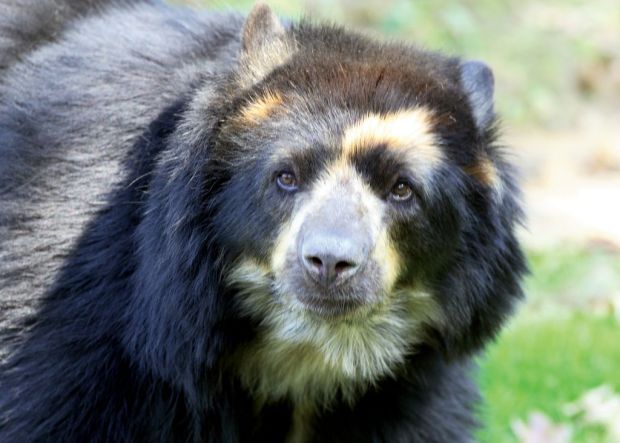 The new Carey Bear Country at The Philadelphia Zoo is home to two species of endangered bears: Andean bears, above, and sloth bears. (COURTESY OF AVERSA PR)
Sloth bears are found in the lowland forests of India, Nepal and Sri Lanka.
They have long, dark shaggy fur with a distinct cream-colored “U” or “Y” shaped marking on their chests.
They have flexible snouts, protruding upper and lower lips, and powerful lungs that allow them to dislodge and eat termites and ants that are 8 to 10 feet underground. They also eat eggs, insects, honeycombs, carrion and various kinds of vegetation. This species faces threats including habitat loss, human conflicts and poaching.