
Carnegie Mellon University’s iconic fence, located at the center of its campus, is raising questions about censorship and free speech after university officials painted over messages deemed threatening.Twice in the past two weeks, messages appeared on the fence with calls for a free Palestine and themes of anti-Zionism. However, one message this week led university leadership to intervene, saying it involved threats of violence. A Yiddish phrase painted on the fence translated to “death to Zionism,” according to David Knoll of the Jewish Federation of Greater Pittsburgh. Knoll said, “Rhetoric calling for the destruction or ‘death’ to Zionism can be deeply hurtful and alarming to many Jews, both on and off campus, who view it as directed at a belief central to their identity and community and therefore as a direct threat against them.” Within a day, students reported that the entire fence had been painted over. University President Farnam Jahanian explained the decision in a statement, saying he was grateful to those who recognized that “a call for ‘death’ violated our longstanding policy against such threats of violence, including threats based on an individual or a group’s affiliation or identity.” Anthony Cacciato, an affiliate of Carnegie Mellon’s chapter of Young Americans for Liberty, advocates for free speech on campus regardless of personal views. He said university leadership should have had a conversation with the students who painted the message before painting over it. “There’s a difference between saying something about an ideology or the adherence to the ideology, which makes a very clear distinction there. And ultimately, I think the university didn’t do its due diligence by consulting with student government and ultimately doing an investigation before censoring,” Cacciato said.“We want to make sure that when there are valid instances where there is a threat of violence or profanity, that that’s something that we say, ‘Yes, this is valid here.’ I think that we agree that just as much as saying ‘death to communism’ is very different from saying, ‘Death to communists,’ this is a similar sort of situation,” Cacciato said. The opposite side of the fence featured another message: “Forcing ideological conformity (Zionism) on Jews is antisemitic,” alongside the words “Free Palestine.” President Jahanian clarified that these statements were not the basis for the university’s response and remain inconsequential to the ongoing investigation. However, Cacciato noted that this message was also painted over.Cacciato expressed concern about the precedent such actions might set. “This time they censored everything. And you know, that to me is concerning. You know, if they’re going to censor speech like this, you never know what other speech they’re going to deem to be too controversial. And they might see an issue with part of the fence and decide to censor the whole message. And that sets a very, very dangerous precedent,” he said. Currently, the fence reads “death to sexism.” Earlier this month, the university president’s fence working group finalized recommendations for how the fence should be used moving forward. The working group was established to define policy surrounding the fence after a similar controversy in 2025. A politically charged message aimed at President Donald Trump was painted over twice ahead of his visit to campus. The report suggests the university should only exercise its legal right to paint over the fence in rare, extreme cases and in order to prevent legal liability. University leadership plans to fully respond to the report in the fall. Looking for more news in your area | Subscribe to the WTAE YouTube Channel
PITTSBURGH —
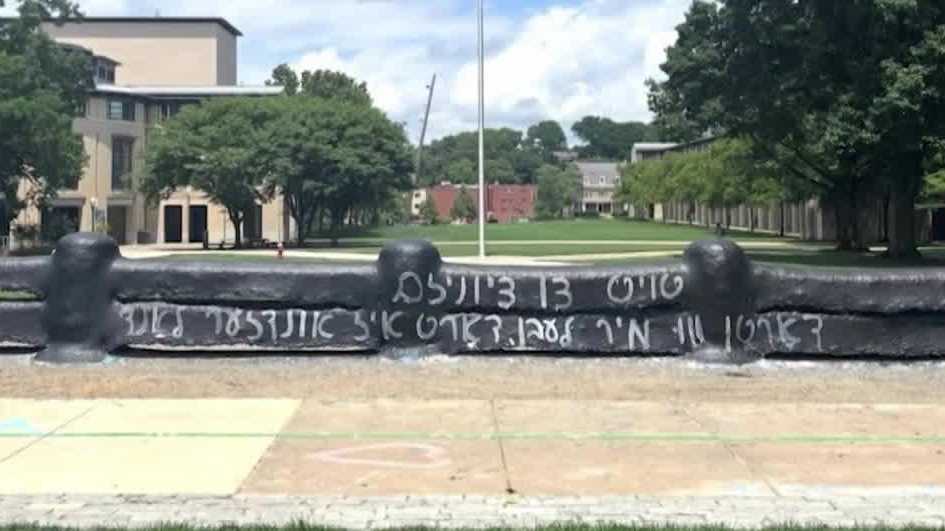
Carnegie Mellon University’s iconic fence, located at the center of its campus, is raising questions about censorship and free speech after university officials painted over messages deemed threatening.
Twice in the past two weeks, messages appeared on the fence with calls for a free Palestine and themes of anti-Zionism.
However, one message this week led university leadership to intervene, saying it involved threats of violence.
A Yiddish phrase painted on the fence translated to “death to Zionism,” according to David Knoll of the Jewish Federation of Greater Pittsburgh.
Knoll said, “Rhetoric calling for the destruction or ‘death’ to Zionism can be deeply hurtful and alarming to many Jews, both on and off campus, who view it as directed at a belief central to their identity and community and therefore as a direct threat against them.”
Within a day, students reported that the entire fence had been painted over.
University President Farnam Jahanian explained the decision in a statement, saying he was grateful to those who recognized that “a call for ‘death’ violated our longstanding policy against such threats of violence, including threats based on an individual or a group’s affiliation or identity.”
Anthony Cacciato, an affiliate of Carnegie Mellon’s chapter of Young Americans for Liberty, advocates for free speech on campus regardless of personal views. He said university leadership should have had a conversation with the students who painted the message before painting over it.
“There’s a difference between saying something about an ideology or the adherence to the ideology, which makes a very clear distinction there. And ultimately, I think the university didn’t do its due diligence by consulting with student government and ultimately doing an investigation before censoring,” Cacciato said.
“We want to make sure that when there are valid instances where there is a threat of violence or profanity, that that’s something that we say, ‘Yes, this is valid here.’ I think that we agree that just as much as saying ‘death to communism’ is very different from saying, ‘Death to communists,’ this is a similar sort of situation,” Cacciato said.
The opposite side of the fence featured another message: “Forcing ideological conformity (Zionism) on Jews is antisemitic,” alongside the words “Free Palestine.” President Jahanian clarified that these statements were not the basis for the university’s response and remain inconsequential to the ongoing investigation. However, Cacciato noted that this message was also painted over.
Cacciato expressed concern about the precedent such actions might set.
“This time they censored everything. And you know, that to me is concerning. You know, if they’re going to censor speech like this, you never know what other speech they’re going to deem to be too controversial. And they might see an issue with part of the fence and decide to censor the whole message. And that sets a very, very dangerous precedent,” he said.
Currently, the fence reads “death to sexism.”
Earlier this month, the university president’s fence working group finalized recommendations for how the fence should be used moving forward. The working group was established to define policy surrounding the fence after a similar controversy in 2025.
A politically charged message aimed at President Donald Trump was painted over twice ahead of his visit to campus.
The report suggests the university should only exercise its legal right to paint over the fence in rare, extreme cases and in order to prevent legal liability.
University leadership plans to fully respond to the report in the fall.
Looking for more news in your area | Subscribe to the WTAE YouTube Channel