
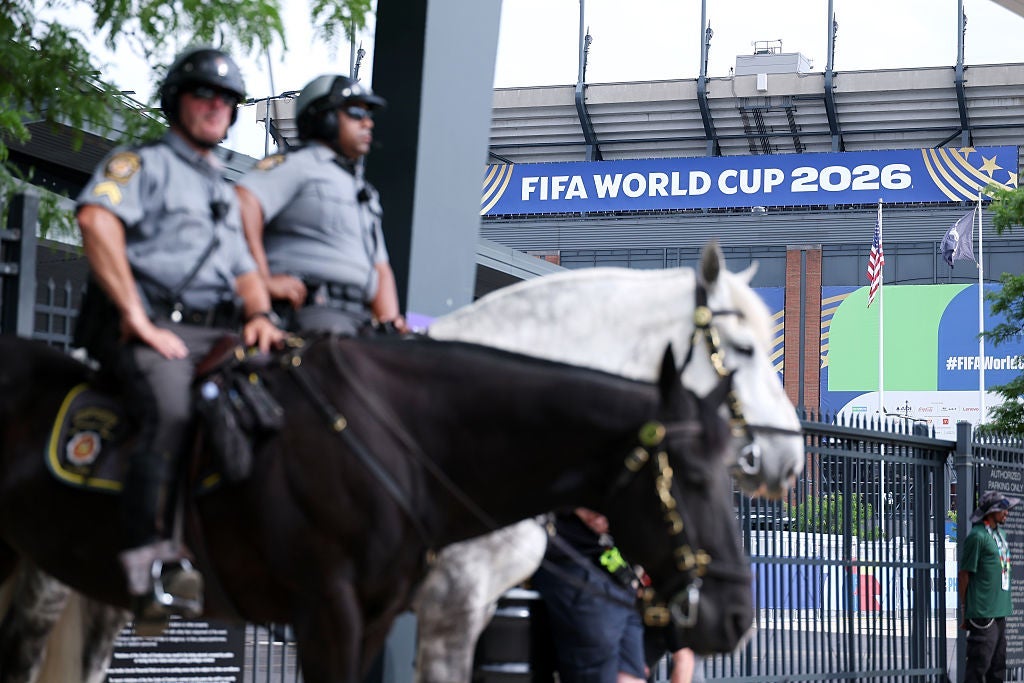
The FBI’s Philadelphia field office has planned a World Cup security strategy built on partnership and close collaboration with local law enforcement and federal resources, with a layered footprint across the city.
Special agent bomb techniciansAgents and analysts specializing in lessening the impact of weapons of mass destruction-related threatsIntelligence personnel who’ll analyze tips from the public and open-source intelligence — including social media — to circumvent potential threats at World Cup event venuesFBI Philadelphia’s SWAT and Evidence Response TeamsGround-intercept teams focused on drone detection and mitigationThe FBI Philadelphia Counter-Unmanned Aerial Systems Task Force
FBI Philadelphia is also collaborating with private-sector partners to share and collect intelligence about potential cyber threats to the World Cup.
“For us, with respect to the World Cup, it’s always a concern around critical infrastructure—all the elements that will support and enable the event, whether it’s mass transit, water, power, what have you,” said FBI Philadelphia Special Agent in Charge Wayne Jacobs.
FBI Philadelphia is also safeguarding the skies over World Cup matches and festivities by creating a “No Drone Zone” over the event stadium and Lemon Hill Park, among other locations, according to a June 2 press release. The Bureau also established the zone in coordination with partners at the Federal Aviation Administration and DHS.
Drone operators who enter restricted airspace without authorization could face fines of up to $100,000, drone confiscation, and federal criminal felony and misdemeanor charges, according to the FBI website.
Philadelphia Police Department and Pennsylvania State Police will handle the bulk of on-the-ground security, with the FBI providing specialized capabilities as needed, according to the FBI website.
Learn more about the FBI Philadelphia field office’s World Cup security strategy from Special Agent in Charge Wayne Jacobs.