
July 2, 2026, 4:55 a.m. ET
Rep. Patrick Harkens, chairman of the House Gaming Oversight Committee, discusses what’s next.Pace-O-Matic and other skill game proponents are pushing for bills in the state Senate and House.The Pennsylvania Supreme Court in June placed 120-day moratorium on its ruling.
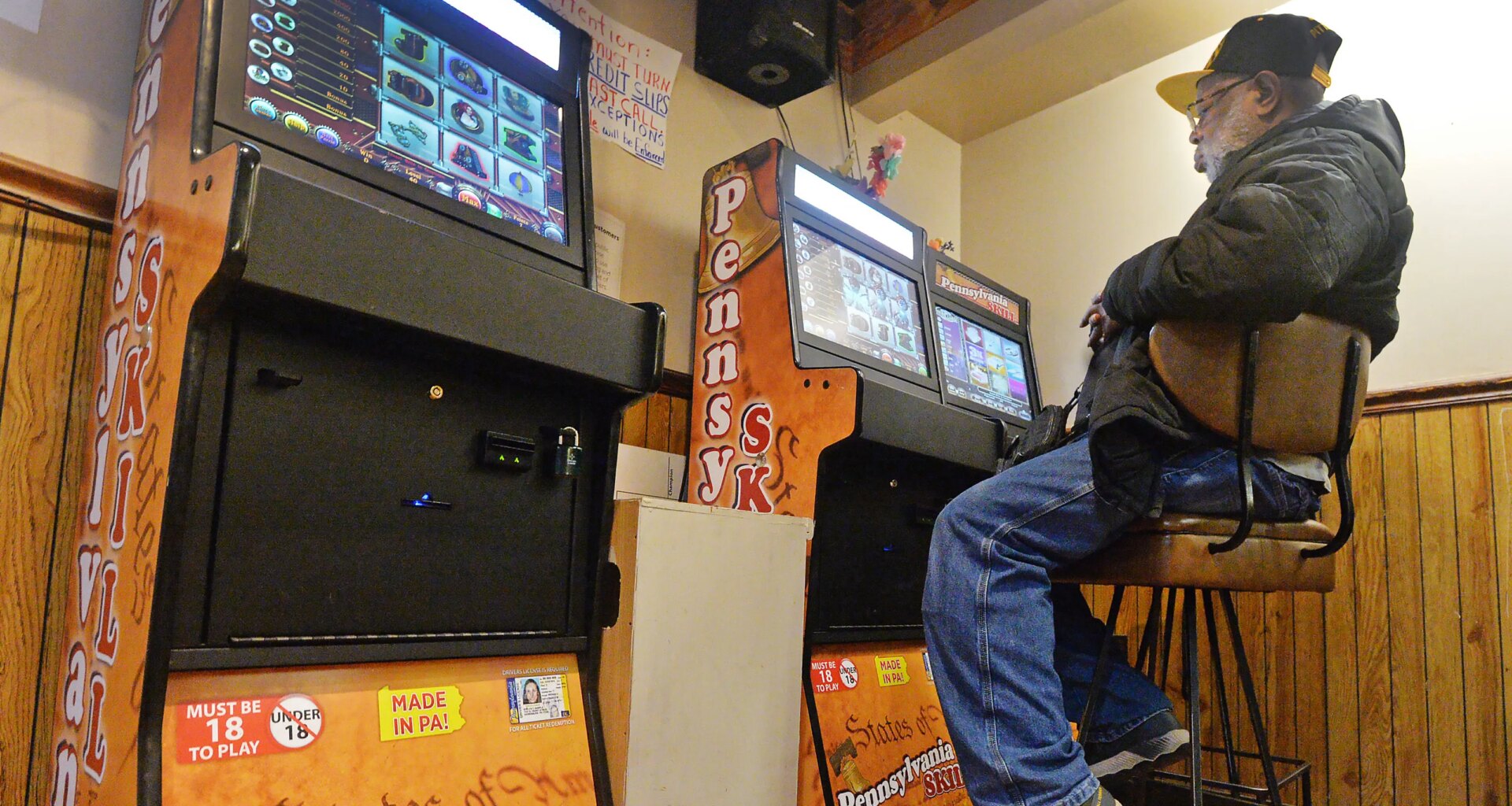
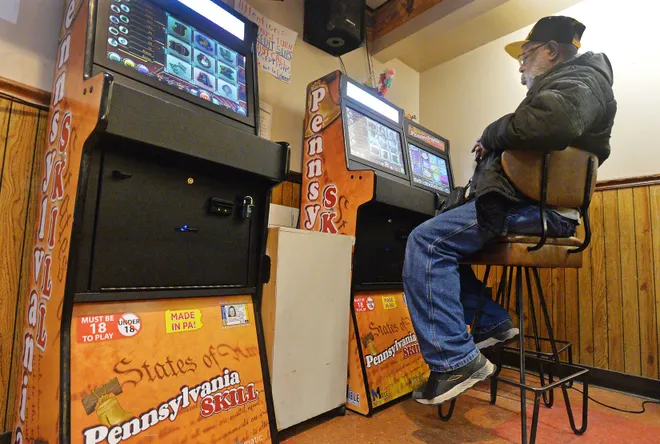
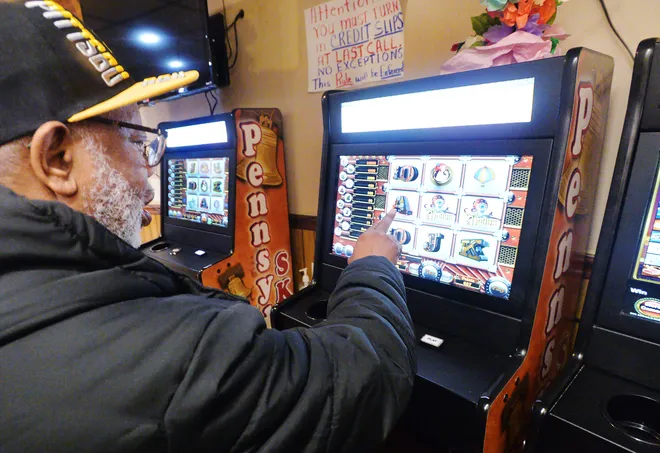
The Pennsylvania Supreme Court’s ruling in June that skill games meet the state’s definition of a slot machine and are therefore operating illegally in scores of storefronts across the state doesn’t mean we’ve seen the last of them.
In fact, both the ruling and the accompanying 120-day moratorium imposed by the court serve as a legal framework and a catalyst for state lawmakers to finally find a place for skill games under Pennsylvania law before they officially turn illegal.
More: A skill game tax in Pa. would generate billions. But who would pay?
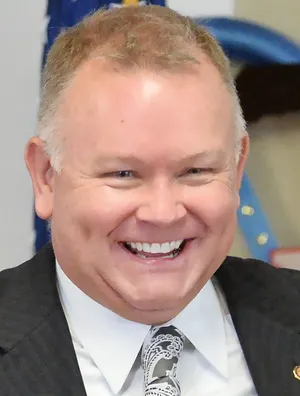
State Rep. Patrick Harkins, of Erie, D-1st Dist., is chairman of the House Gaming Oversight Committee, the body that will play a significant role in vetting and possibly advancing legislation on skill games. In an interview with USA TODAY Network Pennsylvania, Harkins answered questions about what’s now in motion in Harrisburg around skill games.
Q: Is the clock ticking now since the court’s ruling?
A: “The court gave us 120 days, roughly four months, to get something in writing. If we don’t, they would be illegal machines that could be confiscated, or the state police would get rid of them or force (machine owners) to get rid of them. I honestly think sooner rather than later we’ll do something to regulate and tax them. It’s a dynamic like no other. There are a number of things at play with them.”
Main Street, not mafia: How gaming in Pennsylvania entered a new era, and what’s next
What approach will lawmakers take with skill games since there are already legal forms of gambling in the state?
“VGT (video game terminals) would be the model I would go for and use it with taverns and clubs, social clubs, VFWs.
VGTs are legal in Pennsylvania and they operate out of truck stops.
“Correct. The one I always point to is Rutters truck stops. There’s two different Rutters on the way down to Harrisburg. The main one that I stop at to get gas on Sunday evenings when I’m coming in to Harrisburg, they have a controlled environment. They have a room with cameras. They strictly enforce the 21-year age provision. And they have people on staff that, you know, if there are payouts, these people pay them. It’s run just like the casino is, basically. To me, that’s the model that we should use.”
Will lawmakers treat skill games like slot machines?
“Everybody says you’ve got to lower the tax rate to 16%, to 22%, to 40%. It has to have parity with the existing casinos at 55% (for slot machines) or the casinos will then sue, because they’re not operating on a level playing field in their eyes. And then you’re right back where you started from.”
Is it possible skill games will remain illegal after the 120-day moratorium?
“I don’t honestly see that happening Some of my colleagues said they wish it would be because they’re from smaller areas that have been hammered with these things in a negative way. But it’s too much of a revenue generator and the clubs and the taverns have been clamoring for it. In my opinion, I think it should be for those two entities, but I don’t want to see them in (places such as) laundromats.”
There’s a divided state legislature. Democrats control the House. Republicans, the Senate. This topic has been controversial. Do you think lawmakers can reach a consensus on this issue and get this done in 120 days?
“I do think it can get done. I think it’s reasonable. But you go back to people on my committee who took money from these skill games people to run for office. And then these skill games people tore into three Republican senators because they didn’t see things their way on the tax rate. Those three were successful in being reelected. It’s a hodgepodge of political dysfunction, as far as I can see.”
But not an issue where Republicans want it and Democrats don’t , or vice versa?
“I don’t think it is. I think it crosses party lines. Because we never knew who on my committee took money (campaign contributions) from them (skill game industry) and who would or wouldn’t be for or against them, which was a tough position to be in.”

One of the areas of disagreement is what to do with the revenue the state would get from licensing these machines.
“As far as what do we want to see the money go towards? I would like to see it go to the general fund. We are going to have a deficit we have to overcome soon … . I also would like to see the things, the safeguards, put in place. But the question is, what can we get that’s going to sell in the House to get the votes needed, and then what’s going to sell in the Senate to bring some of those people on board that we’ll need?”
More: Pa. senior advocates say they need more funds and know where to lookWhat the skill game industry wants in Pa.
On June 24, skill game proponents gathered on the steps of the Pennsylvania State Capitol Complex to lobby for identical bills in the House and Senate, H.B. 2213 and S.B. 1079. The rally was organized by skill-game manufacturer Pace-O-Matic, which has said the legislature needs to strike a balance that allows skill games to continue to exist, while not overregulating and overtaxing them.
After the Pennsylvania Supreme Court ruling, Pace-O-Matic issued a statement indicating the ruling would have “far-reaching consequences” and impact 10,000 small businesses and fraternal organizations.
“They are now potentially left facing an impossible choice: cease operating these games and lose an important source of revenue, or endure a legislative solution that could bring excessive regulation and crippling taxation, which will force them to cease operating these games and lose an important source of revenue,” the company said. “The better option is for the legislature to support a commonsense piece of legislation that will tax and regulate skill games fairly.”
The legislation it supports would put skill games under the authority of the Pennsylvania Lottery and Department of Revenue.
It would limit the number of games to two for every 500 square feet of public space, but no more than five, unless the organization running them in a designated 501(c)3 nonprofit, which could have up to 10. It would assess a $500 fee per month on each machine, and generate $300 million in tax revenue. The bills are sponsored by Republican Gene Yaw and Democrat Anthony Williams in the Senate, and Democrat Danilo Burgos and Republican Jonathan Fritz in the House.
Distributors would have to pay $1 million for a license and then $100,000 to renew it annually. Operators of the games would have to pay $25,000 initially and $5,000 to renew. Establishments with these games would pay $250 annually for a license.
Operators would buy or lease the games from distributors and then provide them to licensed establishments.
Under the proposal, 40% of revenue would go to the general fund. Twenty percent would go to counties proportionally based on gross profits; another 20% would go to municipalities; 10% would be placed into a clean streams fund, and 5% each would go toward Pennsylvania State Police and the Pennsylvania Lottery for their roles in enforcement and administration of skill games.
The legislation would cap the number of games statewide at 50,000. However, Attorney General Dave Sunday’s office says there’s an estimated 70,000 in operation now.
Matthew Rink is a USA TODAY Network Pennsylvania investigative journalist.