
WGAL 8’s In Focus examined the growing popularity of e-bikes and the safety concerns surrounding them. E-bike sales topped 1 million in 2022, and injuries from micromobility devices have risen sharply in recent years.What counts as an e-bike?Ken Dupree and Rachelle Kwitch, owners of Paradise Electric Bikes in Lancaster, explained that they sell legal e-bikes made by the Electric brand, including some electric trikes that are classified as e-bikes in Pennsylvania.They described an e-bike as a pedal-assist bicycle with a battery-powered motor that helps riders travel farther or tackle hills more easily. In Pennsylvania, e-bikes fall into three classes: Class 1 and Class 2 bikes are limited to 20 mph. Class 1 uses pedal assist only. Class 2 allows throttle use.Class 3 bikes can reach 28 mph. Class 3 can use either pedal assist or throttle.Who buys them and why?Dupree said the average e-bike buyer is older than many people assume, often around age 50, with some customers as old as 90. Many older riders use them for camping, vacations, recreation, or as a second form of transportation. Others use them to commute, get to school, or run errands.He also said e-bikes can be a practical alternative for people who cannot afford a car or do not have a license, and that they appeal to riders looking for a greener option because they do not require gas.Cost and safetyThe shop’s most popular price point is about $1,300. Dupree recalled helping an 85-year-old customer ride her new e-bike home for the first time because she wanted to test it out immediately.The owners said they stress safety with every sale. They encourage riders to wear helmets, obey traffic laws, stop at stop signs and red lights, and ride with traffic. Many of the bikes they sell also include brake lights, turn signals, headlights, bells, and mirrors.They emphasized that they only sell legal e-bikes, not heavier electric dirt bikes that some people call “e-motos.”Senator Malone on safety concernsPennsylvania State Sen. James Malone, a Democrat who represents Lancaster County’s 36th District, said he recently held a roundtable because of growing reports of crashes and near-misses involving e-bikes and e-motos across his district.He said the most concerning incidents involved younger riders as well as older adults, and that hospitals track head injuries and other trauma, though there is no statewide reporting system that makes the data easy to collect.Malone said the biggest problems appear to involve larger, faster electric bikes that can reach 25 to 50 mph and weigh more than 100 pounds. He said Pennsylvania does not have a clear enough distinction between legal pedal-assist e-bikes and faster electric dirt-bike-style vehicles.He also described a case in Denver, Pennsylvania, where a rider on one of these vehicles slid in the rain, hit the back window of a car, and left the scene, causing problems for the driver and her insurance.Possible regulationMalone said he has introduced a resolution in the Senate Transportation Committee to study best practices and determine how Pennsylvania should update its rules. He said he believes the state needs to separate pedal-assist e-bikes from the faster electric bikes and improve education and compliance.He also stressed that parents and guardians need to understand the age-16 restriction and make sure children are not riding vehicles that are not meant for them. He added that riders of all ages need to remember that they may not be easily seen by drivers, especially on trails and roads where these vehicles move quietly.Police perspective in LancasterLieutenant Glenn Stoltzfus of the Lancaster Bureau of Police said officers are seeing more of these vehicles in city traffic. He said legal e-bikes generally do not cause major problems if riders follow the rules of the road and use bike lanes safely.He explained that e-bikes may travel on roadways like bicycles, but must obey the same traffic laws. He also warned pedestrians and drivers to be careful around bike lanes, especially when opening car doors.Stoltzfus said the so-called moto bikes are a different matter. Some can travel 55 to 60 mph and are not licensed or insured. If they are operated on public roads, they must be registered, insured, inspected, and properly licensed like vehicles. Otherwise, they are only legal on private property.He said the city has seen crashes involving these vehicles, and that speed greatly increases the chance of serious injury. He believes state law needs to catch up with the technology and treat high-speed electric vehicles like vehicles.Advice for ridersStoltzfus said Lancaster police support e-bikes as a green and practical transportation option, but riders should wear helmets, use proper lighting at night, stay aware of traffic, and never ride impaired. He also noted that DUI laws in Pennsylvania can apply to bicycles as well.He said police have issued violations for riding without registration, insurance, inspection, or a proper license, but the goal is education and correction rather than punishment whenever possible.
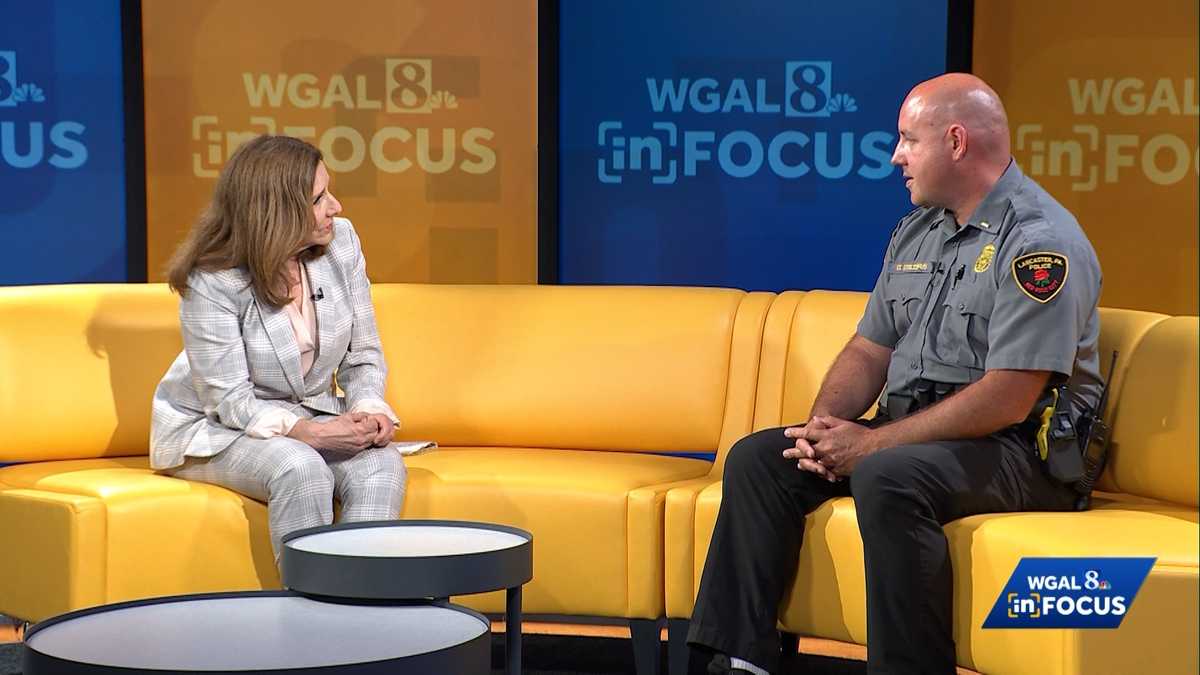
WGAL 8’s In Focus examined the growing popularity of e-bikes and the safety concerns surrounding them. E-bike sales topped 1 million in 2022, and injuries from micromobility devices have risen sharply in recent years.
What counts as an e-bike?
Ken Dupree and Rachelle Kwitch, owners of Paradise Electric Bikes in Lancaster, explained that they sell legal e-bikes made by the Electric brand, including some electric trikes that are classified as e-bikes in Pennsylvania.
They described an e-bike as a pedal-assist bicycle with a battery-powered motor that helps riders travel farther or tackle hills more easily. In Pennsylvania, e-bikes fall into three classes:
Class 1 and Class 2 bikes are limited to 20 mph. Class 1 uses pedal assist only. Class 2 allows throttle use.Class 3 bikes can reach 28 mph. Class 3 can use either pedal assist or throttle.Who buys them and why?
Dupree said the average e-bike buyer is older than many people assume, often around age 50, with some customers as old as 90. Many older riders use them for camping, vacations, recreation, or as a second form of transportation. Others use them to commute, get to school, or run errands.
He also said e-bikes can be a practical alternative for people who cannot afford a car or do not have a license, and that they appeal to riders looking for a greener option because they do not require gas.
Cost and safety
The shop’s most popular price point is about $1,300. Dupree recalled helping an 85-year-old customer ride her new e-bike home for the first time because she wanted to test it out immediately.
The owners said they stress safety with every sale. They encourage riders to wear helmets, obey traffic laws, stop at stop signs and red lights, and ride with traffic. Many of the bikes they sell also include brake lights, turn signals, headlights, bells, and mirrors.
They emphasized that they only sell legal e-bikes, not heavier electric dirt bikes that some people call “e-motos.”
Senator Malone on safety concerns
Pennsylvania State Sen. James Malone, a Democrat who represents Lancaster County’s 36th District, said he recently held a roundtable because of growing reports of crashes and near-misses involving e-bikes and e-motos across his district.
He said the most concerning incidents involved younger riders as well as older adults, and that hospitals track head injuries and other trauma, though there is no statewide reporting system that makes the data easy to collect.
Malone said the biggest problems appear to involve larger, faster electric bikes that can reach 25 to 50 mph and weigh more than 100 pounds. He said Pennsylvania does not have a clear enough distinction between legal pedal-assist e-bikes and faster electric dirt-bike-style vehicles.
He also described a case in Denver, Pennsylvania, where a rider on one of these vehicles slid in the rain, hit the back window of a car, and left the scene, causing problems for the driver and her insurance.
Possible regulation
Malone said he has introduced a resolution in the Senate Transportation Committee to study best practices and determine how Pennsylvania should update its rules. He said he believes the state needs to separate pedal-assist e-bikes from the faster electric bikes and improve education and compliance.
He also stressed that parents and guardians need to understand the age-16 restriction and make sure children are not riding vehicles that are not meant for them. He added that riders of all ages need to remember that they may not be easily seen by drivers, especially on trails and roads where these vehicles move quietly.
Police perspective in Lancaster
Lieutenant Glenn Stoltzfus of the Lancaster Bureau of Police said officers are seeing more of these vehicles in city traffic. He said legal e-bikes generally do not cause major problems if riders follow the rules of the road and use bike lanes safely.
He explained that e-bikes may travel on roadways like bicycles, but must obey the same traffic laws. He also warned pedestrians and drivers to be careful around bike lanes, especially when opening car doors.
Stoltzfus said the so-called moto bikes are a different matter. Some can travel 55 to 60 mph and are not licensed or insured. If they are operated on public roads, they must be registered, insured, inspected, and properly licensed like vehicles. Otherwise, they are only legal on private property.
He said the city has seen crashes involving these vehicles, and that speed greatly increases the chance of serious injury. He believes state law needs to catch up with the technology and treat high-speed electric vehicles like vehicles.
Advice for riders
Stoltzfus said Lancaster police support e-bikes as a green and practical transportation option, but riders should wear helmets, use proper lighting at night, stay aware of traffic, and never ride impaired. He also noted that DUI laws in Pennsylvania can apply to bicycles as well.
He said police have issued violations for riding without registration, insurance, inspection, or a proper license, but the goal is education and correction rather than punishment whenever possible.