
Cyclosporiasis outbreak: CDC tracking cases in 31 states, including Pennsylvania
Cyclospore is *** parasite. It is all over the environment. It’s primarily found in soil, fruits, and vegetables. Uh, it peaks, uh, during the summertime, uh, when people are eating more fruits and vegetables. And what happens is there’s *** parasite in those items that gets into your body. It adheres to your gut, and matures, and then it causes *** very intense watery diarrhea. Most people resolve it on their own. Some can get awfully sick and need antibiotics to clear it. There are multiple different organisms that can cause *** diarrheal illness, norovirus, salmonella, Shigella, Campylobacter, and also Cyclospora. What makes Cyclospora different is that it causes an explosive diarrhea. The other organisms have different features. It could be fever, it could be bloody diarrhea, or other. But Cyclospora primarily is an explosive diarrhea. For most people, it lasts days, not weeks. For most people, they clear it on their own with just supportive care, meaning rest and hydration. But some individuals for whom it’s persistent or intense need antibiotics to clear it. I would say that if your diarrhea is not intense, it’s short duration and not associated with lightheadedness, fever, The inability to take in fluids, you’re probably OK self-managing. If you have fever, persistent nausea, vomiting, and diarrhea, are unable to keep up with your fluids. If you’re very young, if you’re old, if you have medical problems, and it’s persisting, those are people that would benefit from an office evaluation. At the office, they’re able to do testing such as we have right in our lab. And they take *** swab of the diarrhea, send it to our lab, and we can see if the organism is present. Common fruits and vegetables that cyclospore is found in include cilantro, basil, leafy greens, lettuce, salad mixes, spinach, uh, raspberries, blueberries. And what’s *** feature of all of those items is they have rough irregular surfaces. So they’re very difficult to fully clean. That’s the biggest challenge. That’s the biggest opportunity to reduce the risk of getting this infection. Well, people should not use things like bleach or other to clean surfaces. What they need to do is do other than just apply running water. They need some physical contacts against the food items themselves to clean the surfaces. So washing very well with clean water and then manually cleaning the fruit or vegetables generally will prevent the transmission. It’s not clear if it’s coming from farms. It’s not clear if there are other sources involved. But again, the general approach of washing it vigorously with water and then manually cleaning the food items is the best strategy that we have. There’s also not human to human transmission. The way this spreads is from *** person having diarrhea and some of that material getting into either food prep or food service. That’s the way it can transmit. Um, in general, the, the therapy is to rest and keep up with your fluids. You wanna be very selective you’re, you’re using over the counter medication, medication that slows the diarrhea. You don’t want to retain um the parasite in your system. That’s the caution about using such medicines.
Cyclosporiasis outbreak: CDC tracking cases in 31 states, including Pennsylvania

Updated: 1:22 PM EDT Jul 13, 2026
The Centers for Disease Control and Prevention is tracking cases of cyclosporiasis, a parasitic infection, in 31 states including Pennsylvania.Cyclosporiasis is an intestinal illness caused by the parasite Cyclospora. The illness can come from eating unwashed produce and causes watery diarrhea, fatigue, dehydration, nausea, and vomiting.According to CDC data, more than 840 cases have been reported in the United States since May 1. Data shows 11 to 30 cases have been reported in Pennsylvania.Cyclospora infections are seasonal, with cases rising in spring and summer. The cyclosporiasis season runs from May 1 to Aug. 31.READ MORE: What we know about past outbreaks linked to cyclospora, the parasite that can lead to “explosive diarrhea”FDA investigations of foodborne illness outbreaks have recorded 21 cases related to Cyclospora outbreaks since 2013. The most common food items are fresh herbs and leafy vegetables found in salad mixes.The parasite has been found in fresh produce such as:ParsleyCilantroSnow peasMesclun lettuceSpinachSalad mixesRaspberries, blueberries and blackberriesAccording to the CDC, common symptoms include watery diarrhea (most common), loss of appetite, weight loss, cramping, bloating, increased gas, nausea, and fatigue. Less common symptoms include vomiting, body aches, headache, low-grade fever, and other flu-like symptoms.For most people, cyclosporiasis lasts days, but some with persistent or severe infections may need antibiotics to clear it.Stay with Pittsburgh’s Action News 4 for updates. Download the WTAE app to stay connected with breaking news. Sign up for our email newsletters to get breaking news in your inbox.NAVIGATE: Home | Weather | Local News | National | Sports | Newscasts on demand |
The Centers for Disease Control and Prevention is tracking cases of cyclosporiasis, a parasitic infection, in 31 states including Pennsylvania.
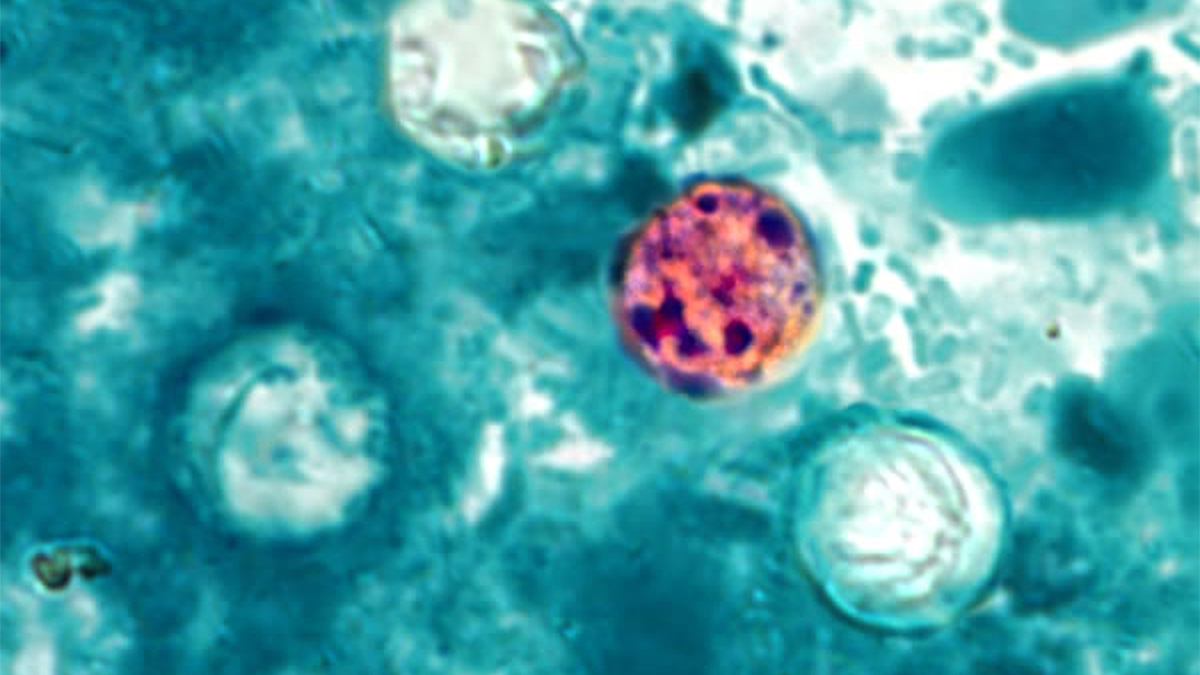
Cyclosporiasis is an intestinal illness caused by the parasite Cyclospora. The illness can come from eating unwashed produce and causes watery diarrhea, fatigue, dehydration, nausea, and vomiting.
According to CDC data, more than 840 cases have been reported in the United States since May 1. Data shows 11 to 30 cases have been reported in Pennsylvania.
Cyclospora infections are seasonal, with cases rising in spring and summer. The cyclosporiasis season runs from May 1 to Aug. 31.
FDA investigations of foodborne illness outbreaks have recorded 21 cases related to Cyclospora outbreaks since 2013. The most common food items are fresh herbs and leafy vegetables found in salad mixes.
The parasite has been found in fresh produce such as:
ParsleyCilantroSnow peasMesclun lettuceSpinachSalad mixesRaspberries, blueberries and blackberries
According to the CDC, common symptoms include watery diarrhea (most common), loss of appetite, weight loss, cramping, bloating, increased gas, nausea, and fatigue. Less common symptoms include vomiting, body aches, headache, low-grade fever, and other flu-like symptoms.
For most people, cyclosporiasis lasts days, but some with persistent or severe infections may need antibiotics to clear it.
Stay with Pittsburgh’s Action News 4 for updates. Download the WTAE app to stay connected with breaking news. Sign up for our email newsletters to get breaking news in your inbox.
NAVIGATE: Home | Weather | Local News | National | Sports | Newscasts on demand |