
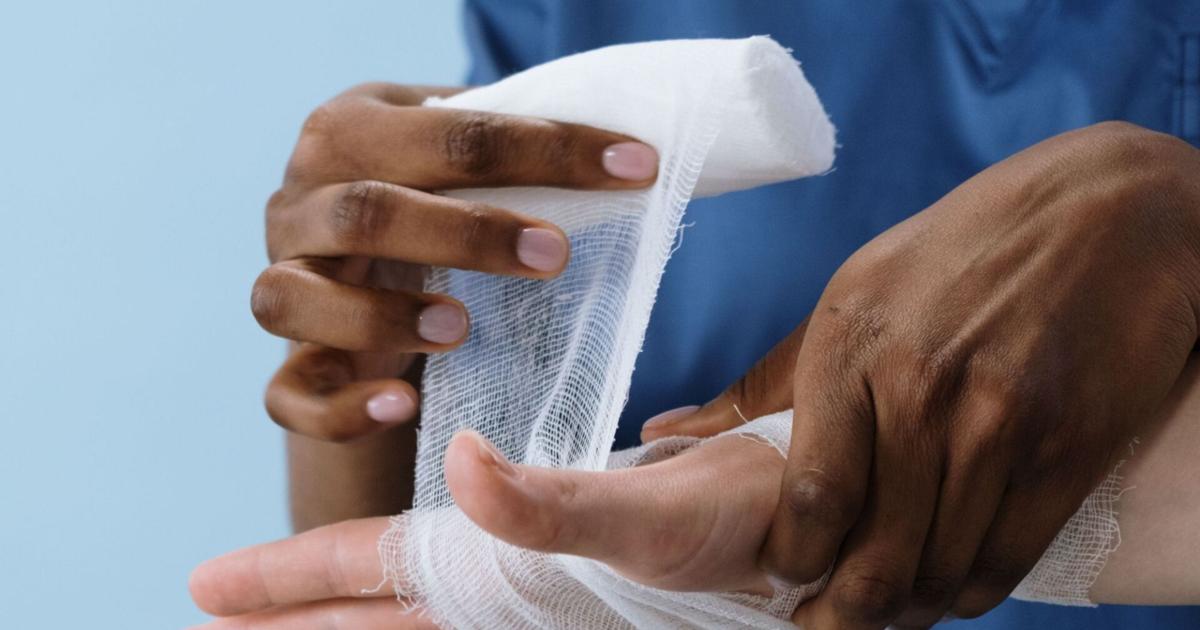

LECOM Health is expanding access to advanced wound care services across northwest Pennsylvania with the opening of a new location of the LECOM Institute for Advanced Wound Care and Hyperbaric Medicine inside LECOM Health Corry Memorial Hospital. The new clinic brings specialized treatment for chronic and non-healing wounds directly to residents of Corry and surrounding rural communities, reducing the need for lengthy travel to receive expert care.
The expansion builds upon the success of the institute’s flagship location at LECOM Medical Center in Erie, offering many of the same innovative therapies and multidisciplinary treatment approaches that have helped patients achieve better healing outcomes.
Chronic wounds can significantly impact a person’s quality of life, threatening independence, mobility, and overall health. For many rural residents, accessing specialty care often requires long drives to larger medical centers. The new Corry location addresses this challenge by providing comprehensive wound care services closer to where patients live and work.
Among the advanced treatment options available at the clinic are:
Negative pressure wound therapy to promote faster, cleaner healing
Bioengineered tissues and biosynthetic dressings designed to help difficult wounds close and heal
Growth-factor therapies that stimulate the body’s natural healing process
Patients will benefit from a coordinated, team-based approach to care. Treatment plans are developed and managed by a multidisciplinary team that includes physicians, nurses, technicians, and the patient’s referring provider. Additional specialists can be involved as needed to ensure each patient receives comprehensive, personalized care.
The need for specialized wound care continues to grow nationwide. Chronic wounds affect millions of Americans and are becoming increasingly common as the population ages and the prevalence of conditions such as diabetes and obesity rises. Early intervention and access to advanced treatments can play a critical role in preventing serious complications and improving long-term outcomes.