
DAUPHIN COUNTY, Pa. (WHP) — Smoke from Canadian wildfires is creating hazy skies across central Pennsylvania, but doctors said the biggest health concerns come from particles too small to see.
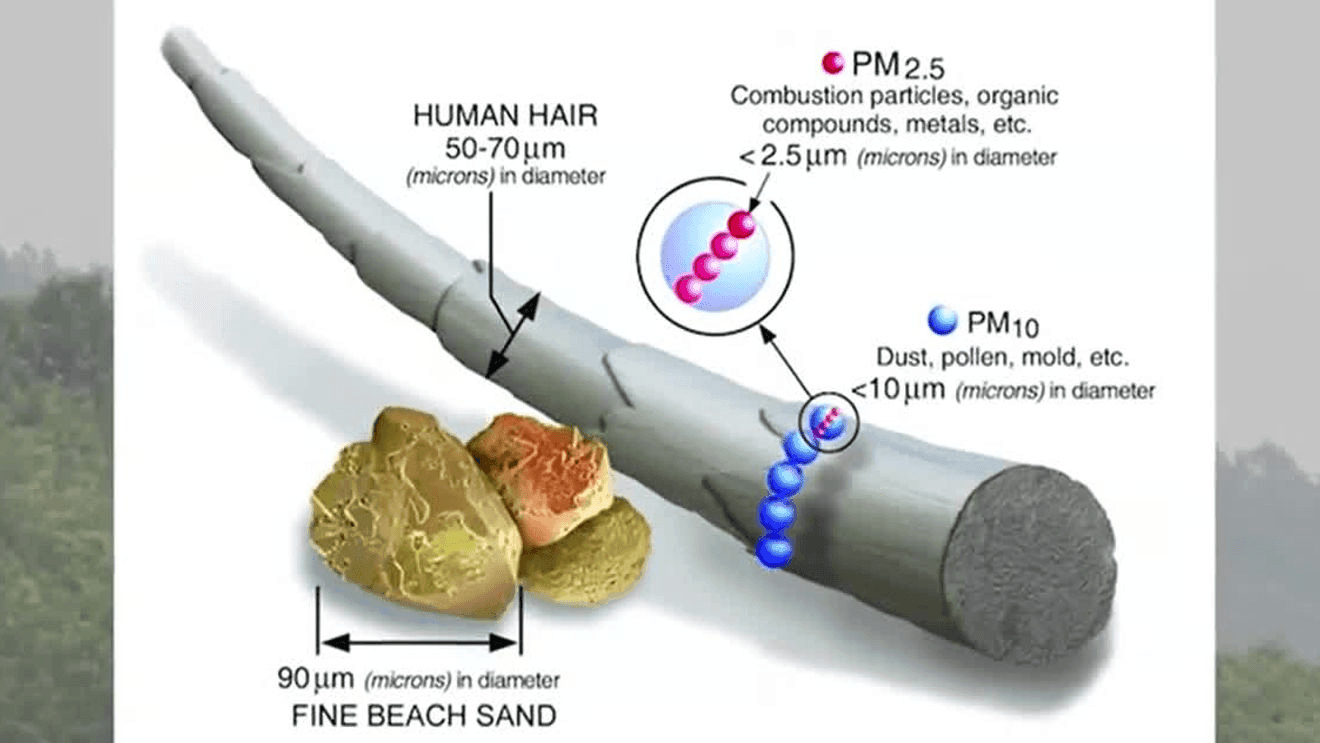
Those particles, known as PM2.5, are small enough to travel deep into the lungs. Research has linked short-term exposure to wildfire smoke with increased respiratory and cardiovascular health problems.
Dr. Raymond Singer, a cardiothoracic surgeon, says these particles are much smaller than most people realize.
“They stand for particle matter that are 30 times smaller than the width of a human hair,” Singer said. “To give you an idea of how small they are, they literally can get absorbed into your bloodstream.”
Singer said that once those particles enter the body, they can trigger inflammation beyond the lungs.
“PM 2.5 can increase inflammation throughout the body,” Singer said. “It can raise your blood pressure. It can increase the risk of a heart attack. It can increase the risk of a stroke. It can also trigger irregular heart rhythms.”
For people with existing heart or lung conditions, the risk can be even greater.
Who should be most concerned?
Singer said certain groups should take extra precautions when air quality is poor, including:
Adults over 65Young childrenPregnant womenPeople with asthma or COPDPeople with heart diseasePeople with diabetesAnyone recovering from a major illness or surgery
Even people who consider themselves healthy can still experience effects from wildfire smoke.
“Most healthy adults will experience only temporary irritation, like burning the eyes, sore throat or coughing, but even healthy people who get repeat exposure to these PM2.5 can have a deleterious effect over time,” Singer said.
How to protect yourself
Singer said the first step is staying informed by checking the Air Quality Index before spending time outside.
When air quality is unhealthy, Singer recommends avoiding strenuous outdoor activity, keeping windows closed and using air conditioning on the recirculate setting when possible.
He also recommends using a HEPA air purifier.
For people who need to spend time outdoors, Singer said the type of mask matters.
“I strongly recommend using an N95 mask – because it’s going to take 95% of those tiny particles away,” he said. “A regular cloth mask or even a surgical mask is not adequate.”
He also reminds people to stay hydrated and continue taking prescribed medications.
Know the warning signs
Singer said people should not ignore symptoms that could signal a serious health problem.
“We can’t control the smoke, but we can control how we respond to it,” he said.
He encourages people to check on neighbors who may be more vulnerable and seek medical attention for symptoms like chest pain or difficulty breathing.
His message: protecting your lungs also means protecting your heart, and your overall health.