
Finding hope after tragedy: 4 The Record speaks with Pittsburgh father who is spreading a message
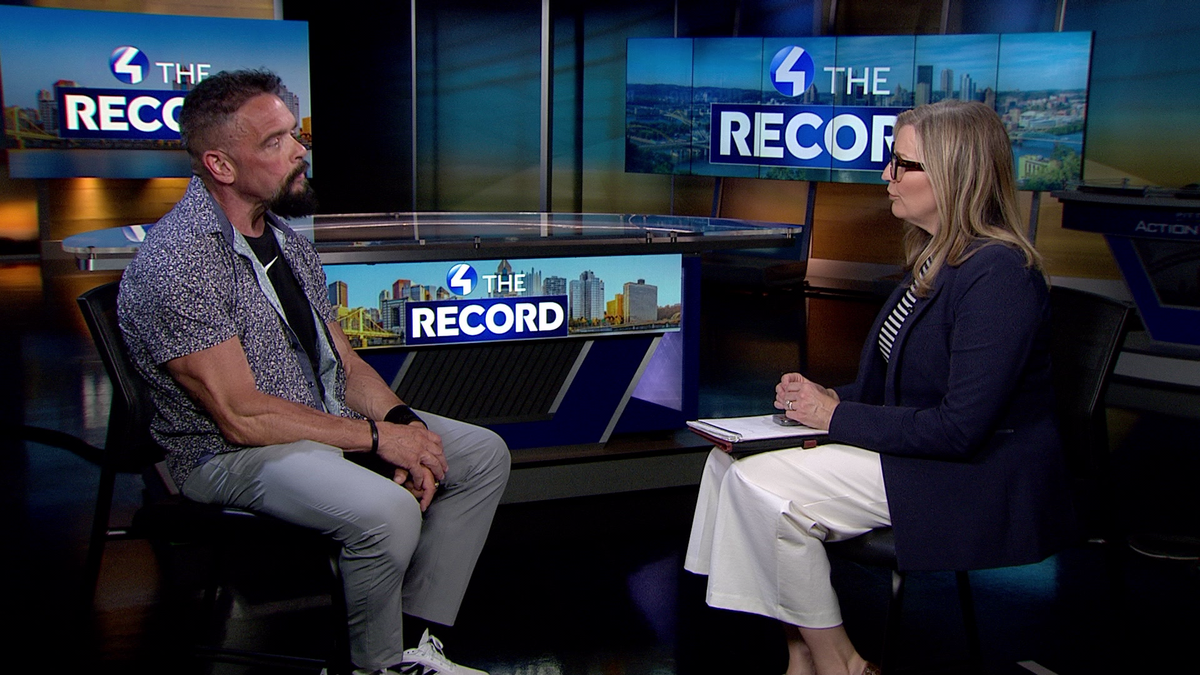
During Sunday’s episode of 4 The Record, host Shannon Perrine sat down with Gary Cuccia to discuss his ongoing efforts to spread awareness about teen dating violence
Morning everybody. Uh, my name is Doctor Gary Kusha, and obviously I’m Demi’s dad. Today on For the Record, nearly 20 years after *** family faced *** life changing tragedy, just celebrated her 16th birthday and the very next day she was stabbed 16 times. Doctor Gary Kush. Spreads *** message after his daughter’s murder. The advocacy work has always been probably the most meaningful thing that I’ve done with my entire life, to be honest with you. How he’s working to save lives one school assembly at *** time. God has found something good out of something so horrific, and he’s touching lives with it. For the Record starts now. Welcome to For the Record. I’m Shannon Perri. Today, the first installment in *** two-part series focused on teen dating violence. Next month marks 19 years since the murder of Demi Bray Kusha in Monroeville. Since then, her father has turned to advocacy, spreading awareness with school assemblies, and even through legislation at both the state and federal level. Let’s go to the first part of my interview now. We’re here to talk about some, some tough stuff but uh hopefully some, um, hopeful, uh, hopeful things as well with an eye towards the future and I spent *** lot of time when I think about you I think about, um, I think about lives that you’ve saved. Do you think in those terms? Um, I, I think my daughter’s story has saved lives. Uh, I think I’m just *** catalyst to do that, um. Yeah, I mean, we, we get *** lot of feedback over the years, *** lot of emails over the years of lives have been touched and changed as, as *** result of hearing Demi’s story, um, so I wanna think that, uh, yeah, God has found something good out of something so horrific, and, um, he’s touching lives with it. Can you start just by telling me about her? I know *** lot about what happened to her, but I don’t know *** lot about her personality. What was Demi like? Um, very strong willed little girl, uh, very, um. Boy, high energy, uh, very strong in her faith. She just had this real strong attraction to Christ as *** little girl. Uh, always had to read her Bible, but then she’d fight with her little sister as soon as he was done. Uh, Demi was, she was demanding. She had *** very high energy, you know what I mean? And, um, she was, she wanted to make sure that you loved her and she wanted to make sure she knew that you loved her, and, uh. So yeah, she was uh she she was very bright, bright light, um, very contagious personality and very contagious, you know, smile. So what were her dreams? What did she want to do when she left high school? Uh, well, she, she actually talked about being *** chiropractor was one of the things. Um, I don’t think she really knew. She was so young, you know, looking back, I. We thought that, you know, she wasn’t that young at the time, but really she was just one day into 16 years old, so that she’s just *** little girl, um, but yeah, I, I don’t know, she probably would have done something pretty amazing, I think she had *** very strong energy, you know, who knows, um, what she would have accomplished, um, um, it’s hard to wrap my mind around the fact that it’s been 19 years and I’m not her parent, um. Does it feel like it’s been almost 19 years? Um, yes, some days for sure and some days, um, it’s not as heavy, you know, um, it’ll be 19 years this, this summer, um, but yeah, I don’t know. You know, when it happens, you, you, you think how you get through the first minute, let alone the first hour, let alone the first day, and, um, but here we are almost coming up on 19 years later, and, uh. It’s, it’s been *** challenge. It really has. I mean some days are hard, some days are heavy, and other days it’s not so bad. What do you do on the hardest days? Um, I, I go to the gym *** lot. That’s just like my thing. It’s been my sanctuary for 30 some years, I guess, uh, probably longer than that, probably 50 years. Um, yeah, I just, I, I train hard and, uh, I’m very involved in our church with my faith and I, I, I do security work at our church. I’m involved with *** men’s group at our church. Um, so I’m just try to get myself involved in those things that kind of channel the pain off into something meaningful, you know, like I mean, I don’t know, I think those are, those are good things. Um, the advocacy work has always been probably the most meaningful thing that I’ve done with my entire life, to be honest with you, um, when I’m standing up here talking about, about Demi and sharing her story, um. And we, you see the, the effect it has on the kids, you know, on the, on the young adults, and, uh, I, afterwards when we’re done they come down and I see the effect that it has at the school 2 or 3 days after an assembly that the counselors get an overflow of students. So I think that it speaks for itself, her story. Let’s go *** little bit further on that. So you said you, you know, I, I kind of wanna start at the beginning of the advocacy part, um, um, and I do, I do wanna, um. I don’t, I don’t think we need to dwell on the day of this terrible thing that happened to your family, um, but what I wanna do is kind of start on the day after that, um, obviously the grieving had really just begun, um, but Doctor Kusha, you sort of took this ball and ran with it as far as advocacy goes. When, when did that idea hit you that you could share her story and it might help people? Um, I would say initially, you know, you, you live in disbelief like you’re just trying to catch your breath and you want time to stop so that you could catch your breath, but time doesn’t give you that. It just keeps moving on and moving on and, uh, so I eventually went back to work seeing patients and, uh. Uh, *** colleague of mine brought in *** newspaper article of *** lady from Rhode Island who lost her daughter to dating violence. Um, her name was Anne Burke and her daughter was Lindsay, and, uh, she had got legislation passed in the state of Rhode Island that would put education in all the schools from grade 7 to 12th to be taught in the health classes. It was basically *** real simple 6-page educational bill, nothing real fancy, and, um, so I thought, you know what, that’s what I wanna do for Demi, and, uh, my wife was on board and, um. So we thought, well, we wanted to, we sent letters to every single representative, every every senator at the time. I think there was 214 reps, 50 senators. We got two responses back and it was pretty disheartening because I thought they don’t see the need for this education, you know, they thought it was more of *** parent’s responsibility and my biggest argument was, well, what if *** child’s growing up at home that’s experienced domestic violence? Like where is he or she supposed to get this proper education to make healthy choices, healthy decisions. So that’s what we decided to. Uh, there was *** senator from Scott, from Center County, Scott Conklin, introduced House Bill 2026. It was Demi Bre Kuccha bill. And, uh, yeah, we spent probably two years traveling around. I spoke at municipality meetings, city council meetings. We would get resolutions passed in support of Demi’s bill, and I think we had about 35, um, resolutions passed towards the end, um. Long story short, it passed through the House unanimously, went to the Senate, and then it got hung up in the educational department, uh, the Educational Committee. Uh, he, he wouldn’t release my daughter’s bill as *** stand-alone bill. We put it into *** what they call an omnibus bill with 21 other educational bills all combined together. It passed this Act 104. What was that like, that moment when you knew that it got through? Uh, it was, it was bittersweet. I kind of wanted the language to be stronger. And I kind of wanted Demi to have her stand-alone bill on her own, you know. I just thought that my daughters, she deserved that after what she went through. What did, what do you, what do you mean you want the wanted the language to be stronger? What, what is it and what did you wish for? Well, what we wanted to get was the, the mandate that every single school in, in Pennsylvania from grades 7 through 12th would have to teach children about healthy. Uh, you know, healthy relationships versus unhealthy relationships, and, um, and what does it say? It was *** strong recommendation that the high schools do it. It eliminated the middle schools totally, and we thought that’s, it was OK, but not, it’s not really strong enough. And what year was this? Uh, that probably would have been around 2009. It’s like, yeah, and we can look that up too, but I, I don’t want to quiz you, but I’m thinking here we are in 2026 and all the work that you’ve done and all the miles you put on your car and you know, thinking about that all in the name of your daughter and. Knowing what the bill is the state of Pennsylvania, that it’s *** strong recommendation, what do you think the reality is for that work that’s being done and those messages about healthy relationships and dating violence? How are they getting through to Pennsylvania school children? Well, um, what we’ve seen personally is that, that, um, like the, the bill was bittersweet for us. Like I wanted it to be stronger. So initially when it, when it, when it passed the way that it did, I thought I’m just gonna contact the school and go in and see if I could just stand up there and pour my heart out as *** dad, you know, um, and share. Demi’s story and what we’ve seen is that I think that’s more powerful um because when we leave the school, like I said for the last 2 or 3 days after that they have this dialogue, they have this conversation and the kids are openly talking about this and they’re, you know, paying more attention to their peers um. And as we say, you know, if you see something, speak up because they know what’s going on better than we do as parents. Still ahead on For the Record, I think you have two choices. When you lose *** child to *** homicide, you either turn to advocacy work as *** way to channel their pain off, or you turn to drugs and alcohol. How this father shares his message with young people in an effort to curb dating violence everywhere. Isolation from your family and your friends, trying to pick and choose your activities, uh, constant text messaging, just *** barrage of text messaging all day long. Where you at, who you’re with, who you’re talking to, this type of thing, um, you know, and, and, and just, just controlling obsessive behavior. Those are among the signs Doctor Gary Kusha says families and friends should look out for if they believe their loved one could be in danger of becoming *** victim of dating violence. In the next part of my interview with Doctor Kusha. I learned more about the talks he has at schools, sharing his message and his daughter’s memory. That’s interesting that um you see an immediate response from young people after they hear you speak. We, yeah, and I’ll be honest with you. You know, I’ve been openly talking about my faith lately, um, and which is kind of *** touchy subject, I guess in the public school, um, but we get *** lot of young boys come down afterwards and wanna wrap arms around us and pray for our family and pray for our advocacy, so I, I see ***, ***, *** desire for that, you know, I think it’s important. You’re striking *** chord with them, yeah, I think so, yeah, and I’m no, you know, I’m not no great speaker. I’m just *** dad that’s just pouring his heart out up there, you know what I mean, and I’ve done it *** lot of times and, um. It’s like I said, it’s the most meaningful thing that I’ve done unfortunately, you know. Are there others like you in the state of Pennsylvania doing what you’re doing? Yeah, I think there’s other parents that, I think you have two choices. When you lose *** child to *** homicide, you either turn to advocacy work as ***, as *** way to channel their pain off, or you turn to drugs and alcohol. I don’t really think there’s an in between, you know. I think it’s, it’s really *** traumatic thing to deal with, and, um, there’s *** lot of parents, they get into doing advocacy work. I don’t know to what extent. But I know of other families that have lost sons and daughters, you know, and unfortunately they, they try to go down the same road. Just give me *** sense for logistics for you. What’s your schedule like? Are you booked, you know, throughout the state of Pennsylvania to talk to school districts? Uh, we were initially prior to COVID. We were, we were busy like going sometimes to schools *** week, um, speaking to 30,000+ students *** school year, um. Then COVID hit and kind of everything put the brakes on it. Everything slowed down, so it’s been *** little more challenging, um, I think this year we, we probably did maybe 15 school assemblies and some colleges. What, what is your desire? What is your wish? I would love to do 11. One *** week, you know, so if there are school administrators out there watching this right now, yeah, I think it’s so important, especially this type of advocacy work, because it’s, it’s, it’s ongoing, right, because every single year there’s *** whole new group of freshman students coming into high school that never heard my daughter’s story, and when it affects 1 out of 3 teens, they need to hear the story, you know, I think it’s so important, and I’ve seen how Demi’s story has, has touched so many lives. I mean we get. Even to this day, you know, 1516 years later, ***, *** woman now who’s married, maybe finds herself in an unhealthy marriage comes to my office to talk to me about, she remembers Demi’s story and she’s trying to take steps to get out health, you know, healthy steps to get out of it, so. I see the effect of it. It’s, it really has touched lives. When you get the opportunity to talk to high school students about Demi’s story, what do you say? I mean, I know, I don’t, I know you don’t wanna give the whole speech right now, but what is, what is the general message and what, what do you tell them? Do you walk them through what happened? Yeah, we, we, I, yeah, I do. We, we, we show an 8 minute video. Um, I say I’m here to tell you, uh, uh, uh, obviously *** very traumatic story. Unfortunately it’s *** very true story. It’s my own daughter, um. You know, and I’ll be like, look, I’m here 40 minutes, 45 minutes to speak to you guys, and this is, I’m gonna pour my heart out to you, so just pay attention because you’re gonna hopefully open your eyes up. Um, yeah, we show an 8-minute video, um, and then I, it’s, I just talk about, I just want their help, you know, I, I’m really trying to target the young men. Because I think that we need better men. I think if we had better men in our country, we’d have fewer women’s issues, fewer children’s issues, fewer 501c nonprofit organizations, right? We need better men. What does that mean? How do they need to be better? Better husbands, better providers. Better fathers, you know, we live in *** country that’s number one in the world with fatherless homes. That’s pitiful when you think about it, right? And that’s, that’s America, right? And I think we need to do *** better job and I think that’s the number one problem with our youth is that they don’t have, they need men as mentors and sons need to be hearing what you have to say. What does it do, what does it look like in real life when ***, *** young man, *** high schooler or even younger, um, listens to what you’re saying? What do you want them to actively do? Um, I just, if I know Demi’s story permeated their heart to the point where they realized that they need to get help, that maybe they want to be different than their father, what they maybe witnessed at home, then I think that her story did its job, you know what I mean? And I’m grateful for that. Every time we get an email from *** young man that says, hey, when you were at my school today, and I’m paraphrasing, but, uh, you were speaking about, you know, having these controlling characteristics, blah, blah, blah, and he says, I feel like I’m following in the footsteps of my father and I want to be better than that. You know, so I think that it touches the young men, you know, that maybe they see that it’s not healthy, it’s not right, you know, and, uh, that they wanna get help and the schools have counselors, um, our church, Cornerstone Church, they got *** whole counseling thing. It’s all free of charge for people, you know, if you need help, get the help that you need, you know, um, every, every county in Pennsylvania has *** domestic violence agency, you know, for, for counselors, trained counselors to get the help that they need, so. I think if you realize you have these issues, you have these tendencies to get some help, get some counseling. Still ahead, more about Doctor Gary Kusha’s advocacy and the signs of dating violence he says loved ones should look out for. You know, in every single school that we go in, in every single school we share Demi’s message, it always touches somebody’s life every single time. So her story is powerful. That was Doctor Gary Kusha last year talking about his advocacy, spreading awareness about teen dating violence. Next month will mark 19 years since the murder of his daughter Demi Bray Kusha at the hands of her ex-boyfriend. And as I continue my conversation with Doctor Cusha now, we take *** look at some of the signs that *** relationship could be turning toward *** violent situation. This domestic violence and dating violence doesn’t start with violence. What does it start with? Yeah, it’s *** very slow, insidious process, unfortunately. It starts off wonderful. You’re getting all this attention, all this affection, but then slowly. This person who has these controlling characteristics, they want to isolate you from your friends, from your family, so they have so exclusivivity to you, um, and then they start picking and choosing which activities you’re allowed to be part of, which outfits you’re allowed to wear, which movies you’re allowed to watch, you know, and just all these different things where they over time they just break you down and it becomes very, very hard to get out of those, those type of relationships, yes, and you see those things initially, you know, and the thing is. One thing I talk about when I’m at the high schools and the middle schools is, is technology, digital technology, because when I was young, we had *** cord in the house with *** phone, right? So if I’m fighting with *** girlfriend on the phone, I had two older brothers, mom and dad, everybody. Everybody knew what somebody you could get somebody’s attention. Nowadays everything’s done on *** silent platform, so parents, they don’t get any of that stuff, right? And, uh, so if you’re getting 200 text messages *** day. You know, where you at, who you’re with, who you’re talking to, what are you wearing? Like that’s not really flattering, that’s kind of controlling. And I guess I tell them to just listen to your gut. If it doesn’t feel right, it’s probably not right, you know. Yeah, and you’re, and you are speaking, you said you have *** lot to say to those young men out there. Um, about if they’re actually engaging in these types of text messages and controlling behavior, you want them to hear what you have to say. Absolutely, yeah, yeah, I tell the young men, right, you got, you’re dating *** girl, you’re *** little bit of *** hothead, you know, you guys. Maybe things get heated sometimes, you know, um, go to the gym, you know, channel that aggression off into something else, right? Nothing good is ever gonna come from striking your partner, you know, and if that’s, that’s not enough and you have more serious issues than that, then you need to get some counseling. You need to get some help, um. Yeah, because I think it’s dating violence, whether it’s, it’s, uh, high school dating violence, it’s, it’s college dating violence, or it’s domestic violence, you’re married, it’s the same thing. It’s *** pattern of patrol and abuse, and it gets worse with time, and I think it’s *** 100% learned behavior. Keep it here on For the Record. Ahead in just 2 minutes, *** look at what to expect during next week’s part 2 of our series on dating violence awareness. Coming up next week, my conversation with Doctor Gary Kusha continues, going deeper on this issue and learning more about the red flags that could suggest your loved one is at risk for dating violence. Are there other red flags you want to tell us about? Uh, there’s, yeah, there’s, there’s *** lot of red flags. There’s, um, you know, if you, if you’re getting, like I said with the text messages, if you find yourself getting anxiety because you maybe didn’t text back fast enough, that’s *** sure sign there’s probably something wrong with your relationship. Uh, one of the things we learned from Demi, from some of her friends, when Demi died, uh, they told us that if this boy John would text her or call her, that sometimes she would lie and say she was home and wouldn’t say she was down at *** friend’s house, and that just really bothered me because I thought, OK, she’s probably 15 years old at the time. Like, aren’t you supposed to hang out with your friends or maybe go to the movies with your friends, so if somebody’s picking and choosing, like that’s not healthy. Tune in next week for an all new For the Record Sunday morning at 11 here on WTAE Channel 4. Until then, thank you for watching. Have *** good week.
Finding hope after tragedy: 4 The Record speaks with Pittsburgh father who is spreading a message
During Sunday’s episode of 4 The Record, host Shannon Perrine sat down with Gary Cuccia to discuss his ongoing efforts to spread awareness about teen dating violence

Updated: 11:00 AM EDT Jul 19, 2026
On Sunday morning, 4 The Record host Shannon Perrine sat down with Gary Cuccia for part one of a two-part episode about his efforts to curb teen dating violence.Cuccia’s daughter, Demi Brae Cuccia, was stabbed and killed by her ex-boyfriend in August 2007, just one day after her 16th birthday.Since then, Cuccia has been traveling to schools and other organizations, holding assemblies to speak about the dangers of teen dating violence.”I think you have two choices when you lose a child to a homicide,” said Cuccia. “You either turn to advocacy work as a way to channel that pain off, or you turn to drugs and alcohol. I don’t really think there’s an in-between. You know, I think it’s really a traumatic thing to deal with. And, there’s a lot of parents, they get into doing advocacy work. I don’t know to what extent, but I know of other families that have lost sons and daughters.”This episode is part one of two sharing Cuccia’s story.You can learn more about the Demi Brae Cuccia Awareness organization by clicking here or here. WATCH THE FULL EPISODE IN THE VIDEO PLAYER ABOVE
PITTSBURGH —
On Sunday morning, 4 The Record host Shannon Perrine sat down with Gary Cuccia for part one of a two-part episode about his efforts to curb teen dating violence.
Cuccia’s daughter, Demi Brae Cuccia, was stabbed and killed by her ex-boyfriend in August 2007, just one day after her 16th birthday.
Since then, Cuccia has been traveling to schools and other organizations, holding assemblies to speak about the dangers of teen dating violence.
“I think you have two choices when you lose a child to a homicide,” said Cuccia. “You either turn to advocacy work as a way to channel that pain off, or you turn to drugs and alcohol. I don’t really think there’s an in-between. You know, I think it’s really a traumatic thing to deal with. And, there’s a lot of parents, they get into doing advocacy work. I don’t know to what extent, but I know of other families that have lost sons and daughters.”
This episode is part one of two sharing Cuccia’s story.
You can learn more about the Demi Brae Cuccia Awareness organization by clicking here or here.
WATCH THE FULL EPISODE IN THE VIDEO PLAYER ABOVE