
Pennsylvanians voted to maintain the state Supreme Court’s partisan balance of five Democrats and two Republicans by retaining three Democratic justices on Tuesday.
The justices — Christine Donohue, Kevin Dougherty and David Wecht — all won their first elections to the bench in 2015. On Tuesday, they each faced a retention election, where voters decided whether to keep each of them on the court. Republicans, backed with millions in spending from groups affiliated with local billionaire Jeffrey Yass, had hoped to oust the three in a bid to take control of the state’s top court ahead of the 2028 presidential election.
Under Democratic control, the state Supreme Court has ruled in favor of voting and abortion rights, struck down a GOP congressional gerrymander and rejected President Donald Trump’s efforts to overturn the 2020 election. By retaining their majority on the court through the 2028 presidential election, Democrats will be able to beat back any machinations to interfere with elections in 2026 or 2028.
It is not a surprise that Pennsylvanians chose to retain the three justices. Only one justice has lost a retention election since they were adopted by the state in 1968. In fact, no justice won a retention by less than 20 points in those nearly 60 years.
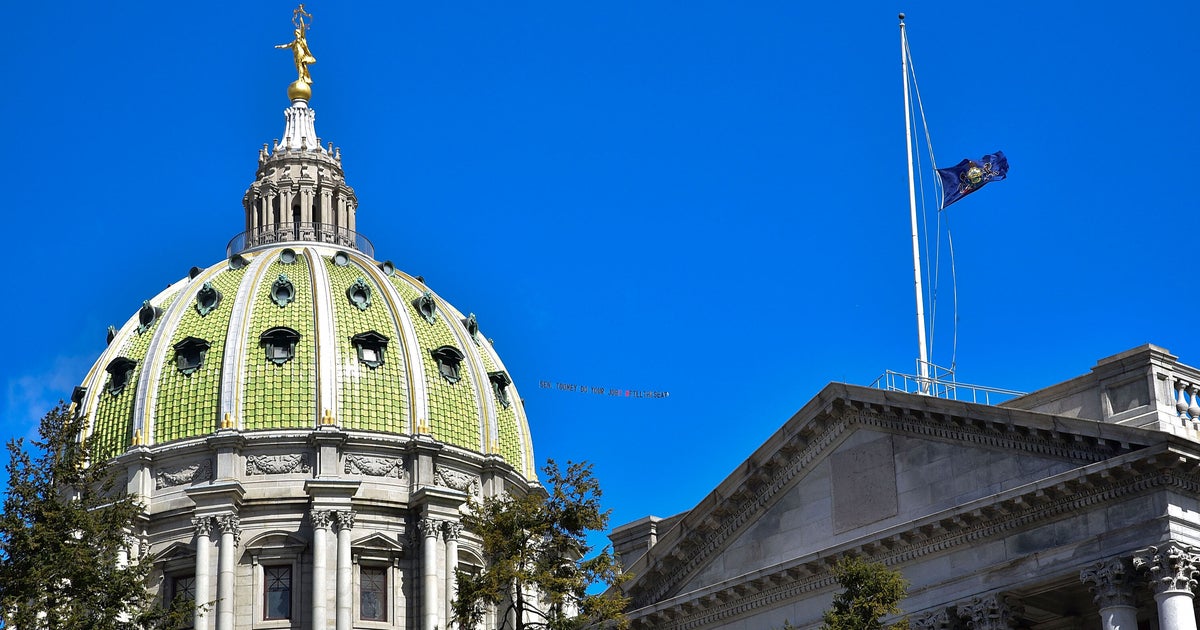
 Democrats maintained a 5-2 advantage on the Pennsylvania Supreme Court, housed in the state Capitol building, after retention elections held on Nov. 4.
Paul Weaver/SOPA Images via Getty Images
What made this election somewhat different was the immense resources put into removing the three Democrats from the court. The Republican State Leadership Committee and Yass’ Commonwealth Partners spent big to remove the justices from the court. Meanwhile, Democrats and allies like the American Civil Liberties Union and reproductive rights groups spent similar amounts to keep them on the bench. It is possible that when all campaign disclosures are counted, it will have been the most expensive judicial retention election in history.
“For the vast majority of Pennsylvania history, these are very apolitical affairs,” Eugene DePasquale, chair of the Pennsylvania Democratic Party, said before the election. “But a MAGA billionaire has decided to invest millions and millions of dollars into this election, basically trying to take corporate control of the court and throwing it into chaos.”
ReportingWhat’sReal
Your SupportFuelsOur Mission
Your SupportFuelsOur Mission
Join HuffPost Today
This Election Day we’re cutting through the noise. With no billionaire influence or angles, we’re here to inform voters and help you make sense of the election day chaos. By becoming a member you help power this mission.
We remain committed to providing you with the unflinching, fact-based journalism everyone deserves.
Thank you again for your support along the way. We’re truly grateful for readers like you! Your initial support helped get us here and bolstered our newsroom, which kept us strong during uncertain times. Now as we continue, we need your help more than ever. .
We remain committed to providing you with the unflinching, fact-based journalism everyone deserves.
Thank you again for your support along the way. We’re truly grateful for readers like you! Your initial support helped get us here and bolstered our newsroom, which kept us strong during uncertain times. Now as we continue, we need your help more than ever. .
Already a member? Log in to hide these messages.
Republicans’ path to retaking control of the state Supreme Court required ousting the three justices in this retention election. That would have created a 2-2 partisan split on the court until new judicial elections could be held in 2027. Republican candidates would then need to win two out of three of those elections to win a majority in time for the 2028 presidential election.
But Democrats maintained their majority and will be able to counter any legal threats to elections for the rest of the decade.