
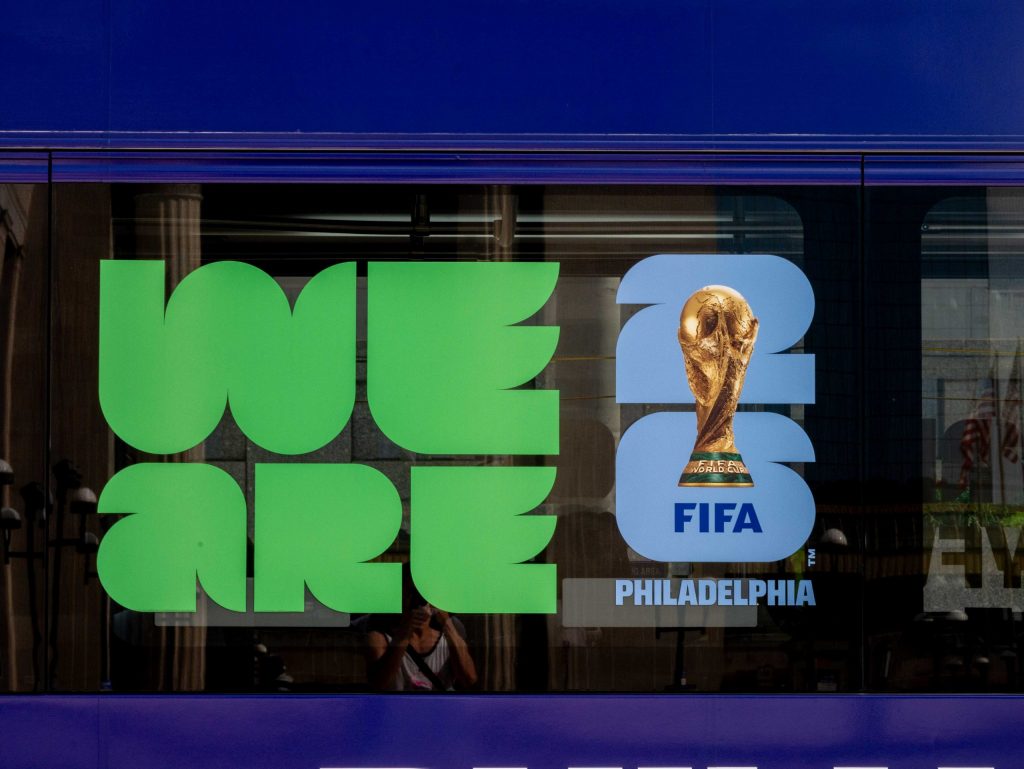
 Photo by Rocco Fonseca | The Triangle
For the first time since 1994, the United States was afforded the opportunity to host the World Cup, alongside Mexico and Canada. In addition to hosting the games, many cities took advantage of the increased interest to host festivals for the fans throughout the tournament.
Philadelphia braced, as did multiple major cities around the country, in preparation to co-host the 2026 FIFA World Cup. Despite the games being played at Lincoln Financial Field, Philadelphia’s World Cup experience stretches far beyond the stadium. From packed SEPTA cars to thousands of tourists visiting the city, all the way to Fan Fest in Lemon Hill, this tournament has become one of the city’s largest events in recent memory.
Six games were hosted at Lincoln Financial Field, temporarily designated as Philadelphia Stadium, with a total of ten foreign nations playing each other. This allowed for a wide variety of tourists traveling to see their teams face off in Philadelphia.
“I’ve seen people come from around the country and around the world as well,” FIFA Fan Fest volunteer Bria Dinkins said.
Dinkins remarked that it was an incredible opportunity to showcase the best of Philadelphia to global travelers. “This volunteer role is very much about just being representatives of Philly.”
She then went on to address concerns she had about how the rest of the world perceived Philadelphia. “I think a lot of times when people who are not from here come to Philly, I think there’s a lot of stereotypes about what kind of place this is,” Dinkins said.
Also noting that people expect Philadelphians to be “not so nice” or a “little edgy”. However, she followed up by saying, “The small conversations I’ve had with people who are out of town or not from here at all have enjoyed their time and shared that.”
This role as an ambassador for Philadelphia was reflected in the experiences of other volunteers at Fan Fest, including Nikki, who said some of her most memorable moments came from helping visitors navigate both Fan Fest and the city itself.
Nikki explained her most memorable experience during her time at the World Cup began on a Phlash bus before Brazil’s June 19 game against Haiti. She met a Brazilian mother and daughter who were visiting several American cities and helped answer their questions about transportation and Fan Fest. Hours later, that same family recognized her again inside the festival.
“I met a couple of families like that who were from totally different places and were just enjoying all of America, not just Philly,” Nikki said. “Everybody seems to have a great time in Philly.”
Nikki also noted the festival’s popularity created a few challenges on major match days and concert nights. Guests had to arrive hours early because registration did not guarantee admission into the festival once the site reached capacity.
“At one point, they were just like, one person goes out, one comes in,” she said, describing the crowd during that same Brazil match.
Despite the concerns of overcrowding, Nikki said she had not encountered visitors who described having a bad experience while in the city.
“Everybody’s really enjoyed it,” she said. “The city really did well with this.”
While thousands experienced the tournament from the festival in East Fairmount Park, fans inside Lincoln Financial Field saw another side of Philadelphia’s role as a host city.
“As we were walking in, it just got more and more [crowded] as we went,” Ben Cook, a third-year physics major who attended the Ivory Coast-Curacao match, said. “People, you could tell they were excited.”
Throughout the game, Cook took note of and appreciated the atmosphere created by the crowd of over 68,000. “It felt like you were just part of a very specific community,” Cook said.
This friendly atmosphere was accentuated when Cook talked about his experience with other spectators at the game. Fans were supporting the teams that were playing, along with fans of other countries, and people who were neutral in their support.
“We were sitting next to both Curacao and Ivory Coast fans,” Cook said. “Everybody was just kind of laughing together at the general events.”
Cook and his family elected to use public transport instead of driving to and from the stadium. “It wasn’t super packed the way there,” Cook mentioned. “But the way back was very, very busy.”
While Cook described packed trains leaving the stadium, he also credited SEPTA staff with helping move all of the fans safely after the match. His experience reflected the struggle that Philadelphia faced hosting one of the world’s largest sporting events.
In anticipation of this struggle, SEPTA took precautionary measures to ensure that passengers experienced the best possible service, considering the increased demand for transport.
According to SEPTA’s official service plan, the expected number of SEPTA users would be more than 30,000 per game. They would be able to move 15,000 per hour if needed, utilizing additional service capacity.
Additionally, both the B and L lines operated overnight, with trains running in 30-minute intervals to create more opportunity for travelers to get home safely.
Airbnb also took steps to make commuting from the stadium easier by sponsoring all rides home from NRG Station on game days for up to two hours after the match finished.
According to the City of Philadelphia, Amtrak travel through 30th Street Station during the tournament was 15 percent more than it was during the same time frame last year. Furthermore, it was reported that hospitality engagements within Center City were up almost 29 percent from this time last year.
For many fans, the significance of the World Cup in Philadelphia extended beyond the results of the games played here. The tournament allowed visitors and residents to share an experience that may not return for decades.
“It didn’t even matter what teams were playing,” Cook said. For him, simply attending a World Cup match and experiencing the atmosphere made it memorable.
While the economic impact on Philadelphia may take time to measure, its immediate effect could be seen in the crowds around the city as they gathered around a common interest in the tournament.