
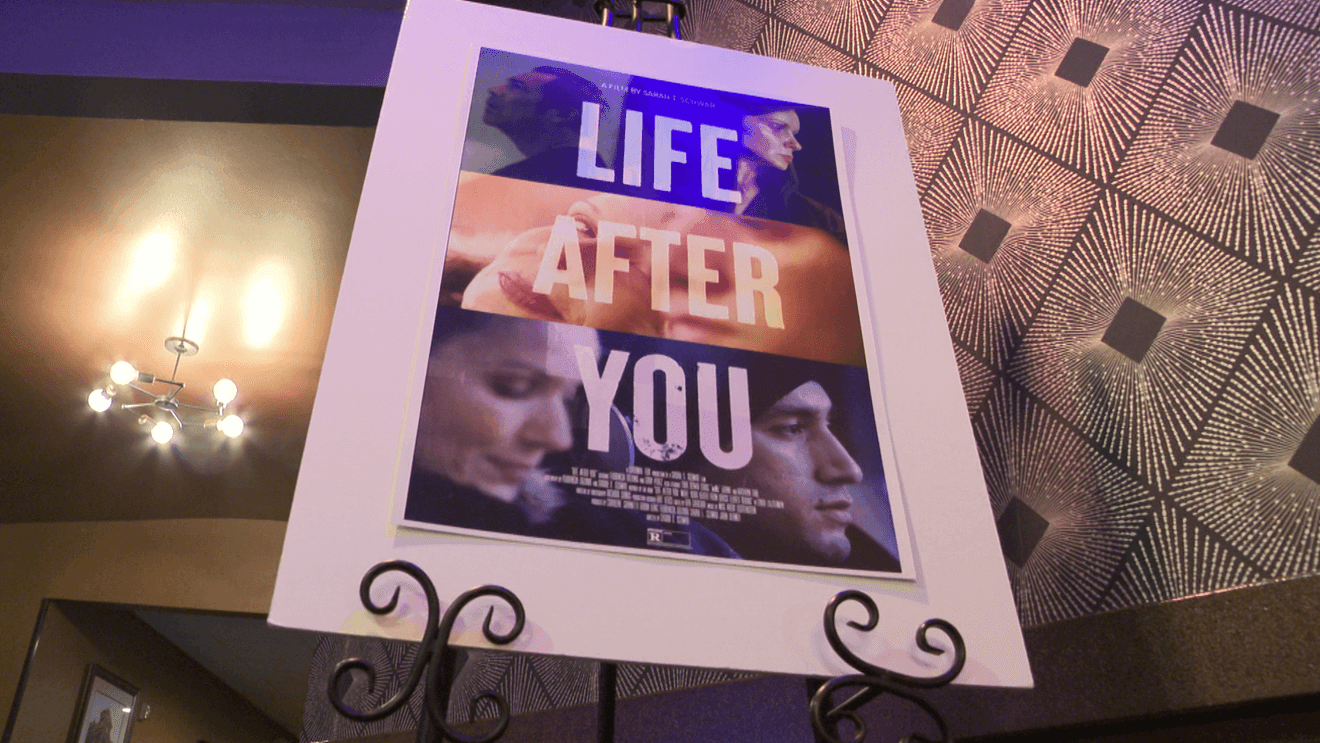
SCRANTON, LACKAWANNA CO. (WOLF) — Scranton Art Haus hosted a screening of Life After You on Thursday, followed by a panel discussion focused on addiction prevention, recovery and the stigma surrounding substance use.
Life After You, a 2022 film presented by Cardinal Flix as the final installment of its Summer Film Series, was inspired by the true story of a family coping with the death of their 19-year-old son from a fentanyl-laced heroin overdose. The event brought together filmmakers, addiction specialists, educators and community members for a discussion about the effects of addiction and the resources available to families.
The panel featured Florencia Lozano, co-writer and actress in Life After You; Sarah Schwab, the film’s co-writer and director; Maria Kolcharno, director of addiction services at The Wright Center for Community Health; Cardinal Flix co-founder Brian Long; and family recovery specialist Kathy Strain.
Lozano, the actress who portrayed Danny’s mother, Linda, reflected on how working on the film underscored the importance of creating space for honest conversations about addiction.
“I think what struck me while working on the film was how many people are affected, how many individuals have lost their lives and how many families have lost loved ones to this. It’s really something that we, as a culture, need to wrap our arms, minds and hearts around in terms of addressing it,” said Lozano.
The story is based on the experiences of Linda Lajterman and her son, Danny. After his death, Lajterman wrote a Facebook post that went viral and later self-published a memoir titled Life After You. The filmmakers said adapting her story was intended to educate young people and parents while encouraging broader discussion among educators, drug counselors, physicians, law enforcement and public officials.
Schwab described how close collaboration with the Lajterman family helped shape the way the story was told.
“The subject matter of addiction, unfortunately, is a growing crisis in this country and all over the world. Mental health is a major concern. There are a variety of reasons people become addicted, and I think getting rid of the stigma is extremely important. We want people struggling with addiction to have a safe place to talk about what they’re feeling and to get help,” said Schwab.
Kolcharno explained that accurate portrayals of addiction in media, along with events such as the screening, can encourage people to talk more openly about the disease and seek help.
“Well, the stigma that we find most often is not only from the community, but also from family. Addiction is a disease, and we believe it should be treated as such, just as a heart attack, heart condition or diabetes would be treated. We do see that it still has a stigma attached to it,” said Kolcharno.
Kolcharno added that people experiencing addiction often need professional help, along with support from family and friends, to begin and sustain recovery. She also discussed medication-assisted treatment as one option that can help some patients maintain sobriety over time.
The audience-interactive discussion allowed community members to ask questions about addiction treatment, recovery and the role storytelling can play in reducing stigma. Organizers said the event was designed to carry those conversations beyond the theater, helping families better understand addiction and feel more comfortable seeking treatment and support.