
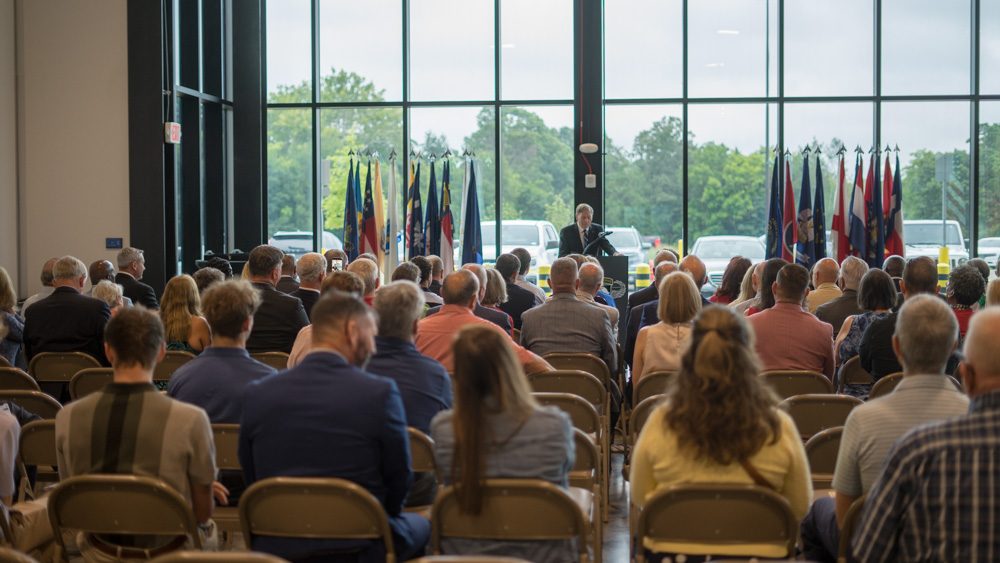
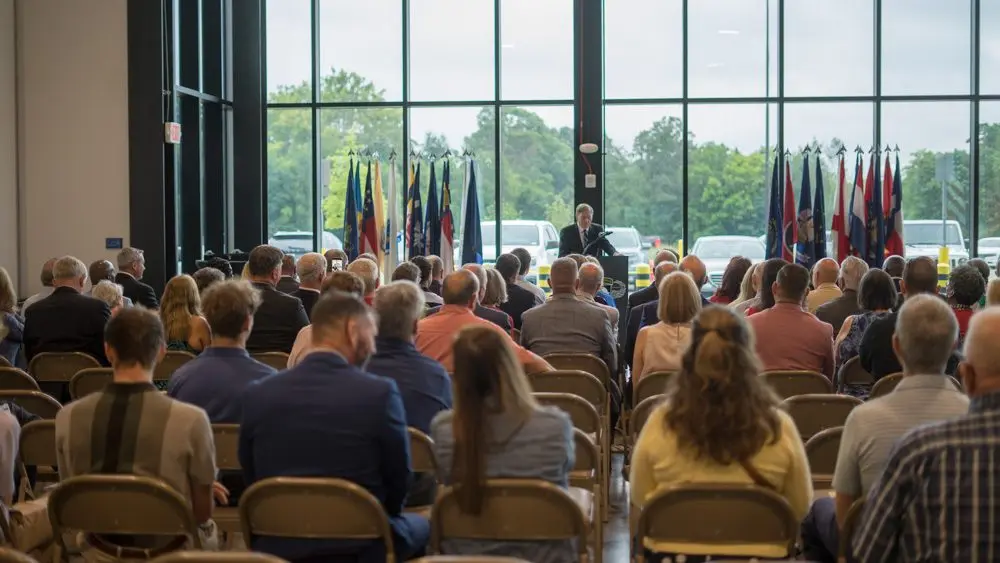
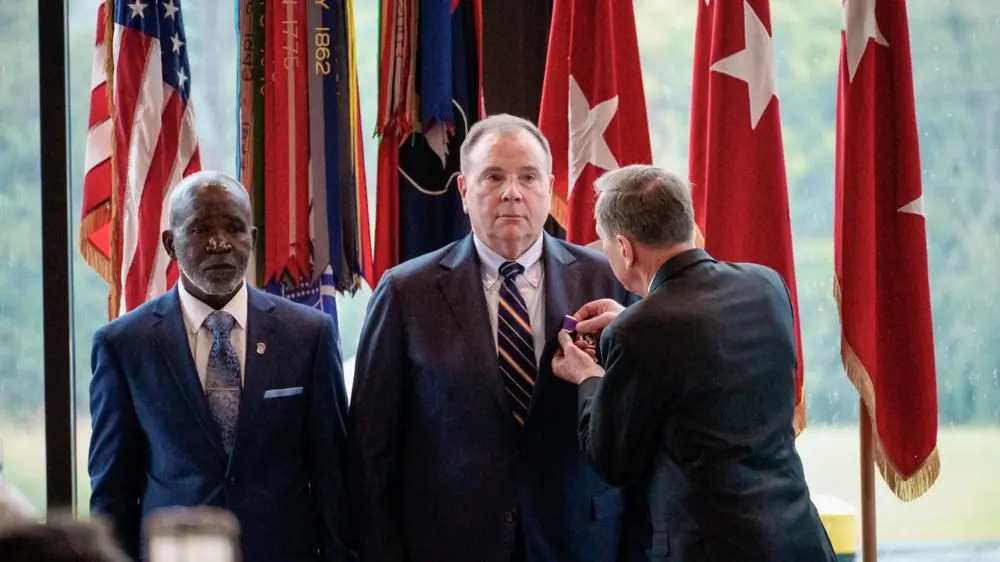
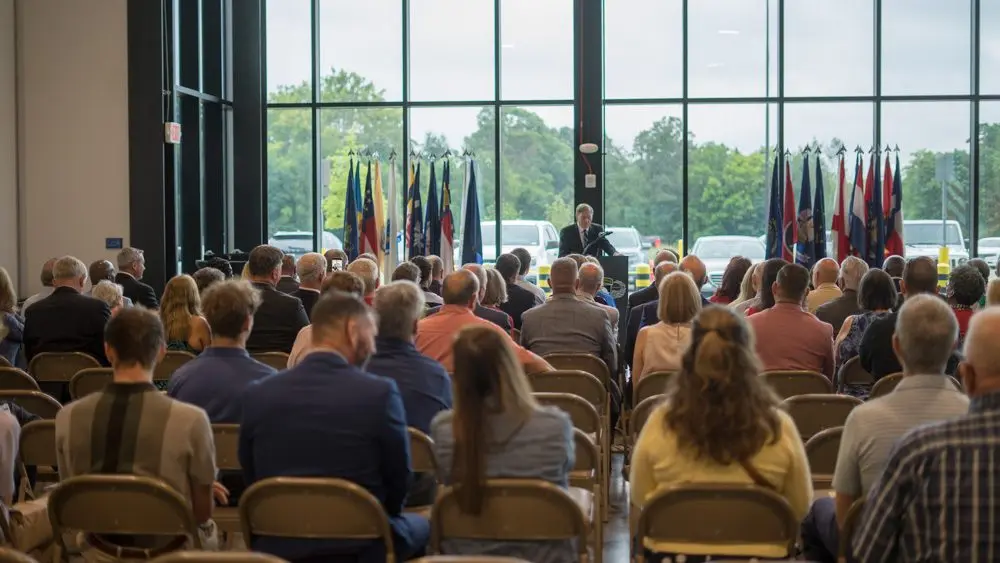
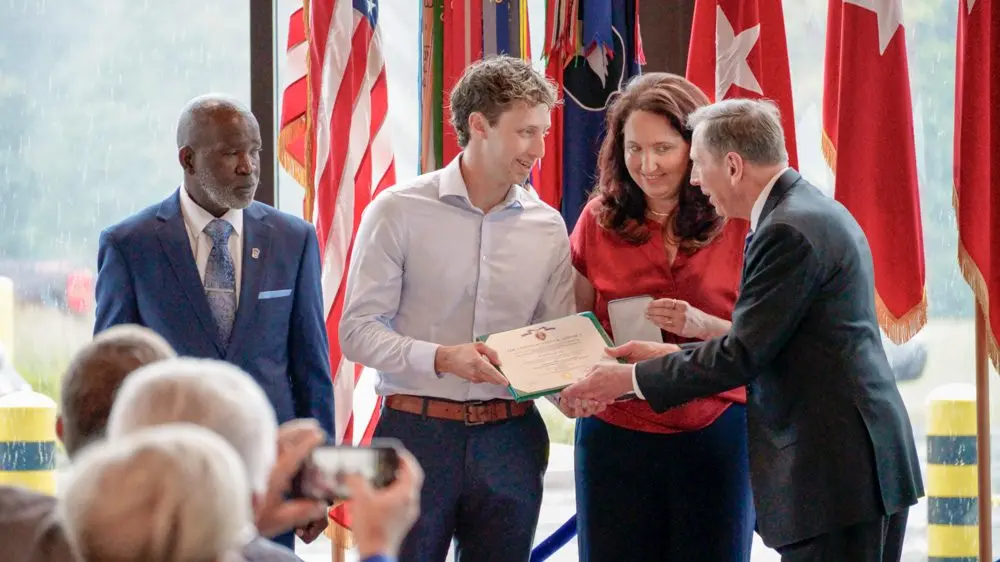
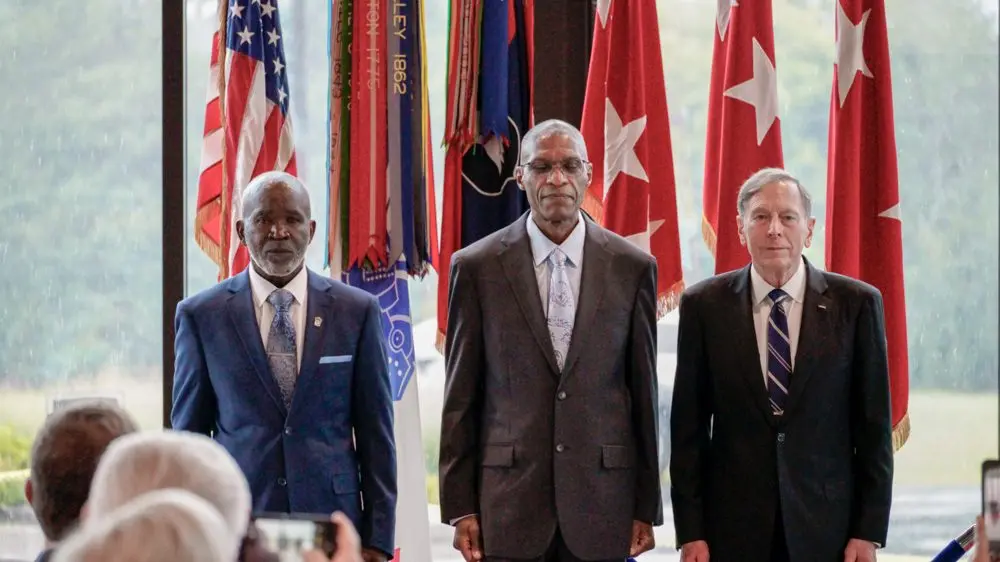
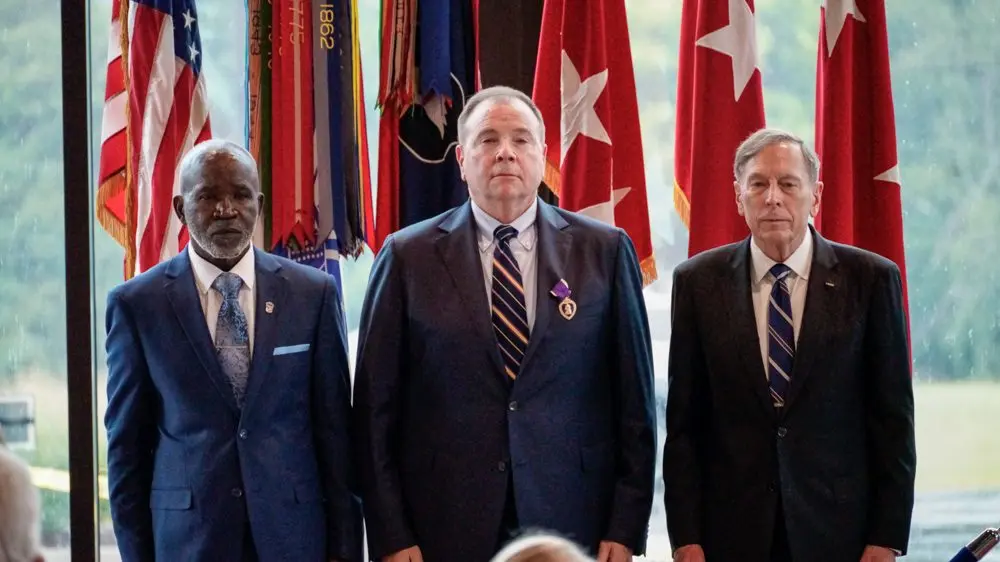
More than 23 years after an insider attack in Kuwait claimed the lives of two U.S. service members and wounded 14 others on the eve of the Iraq War, three members of the 101st Airborne Division community were formally recognized Saturday with Purple Hearts during an emotional ceremony at the Tennessee Wings of Liberty Museum.
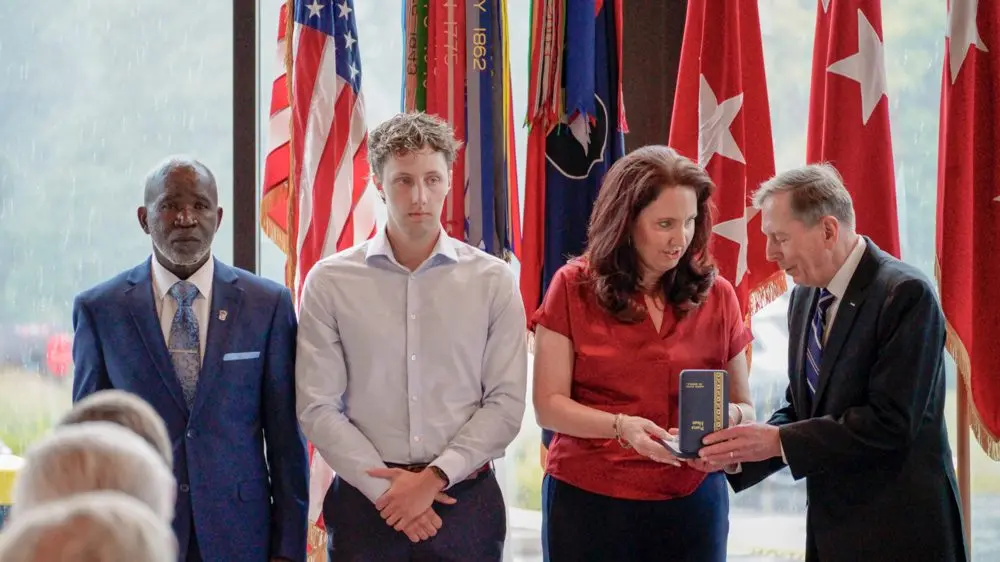
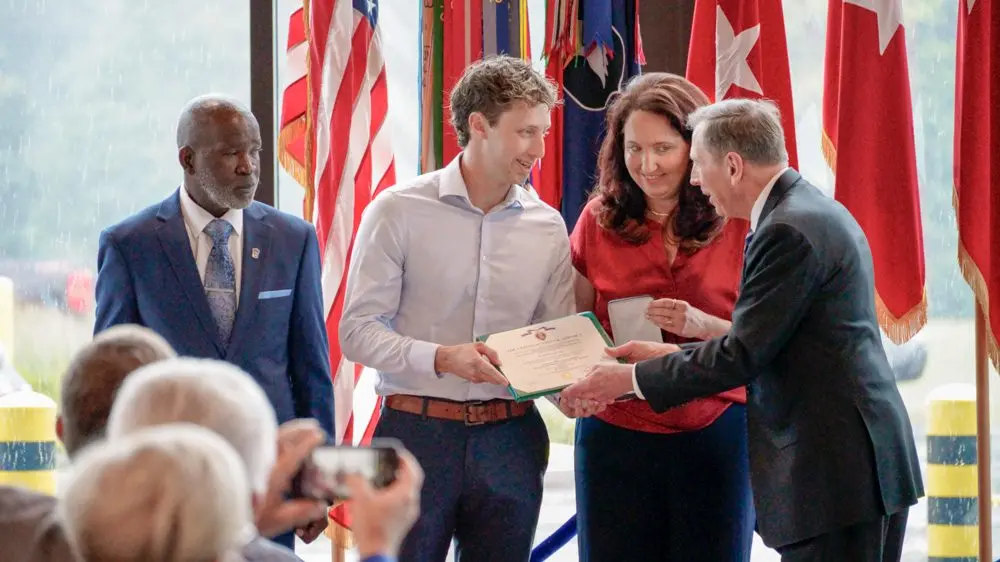
Retired Lt. Gen. Ben Hodges, retired Army Chaplain Rodie Lamb and the late Capt. Christopher Seifert were honored during the ceremony, which was presided over by retired Gen. David Petraeus, commander of the 101st Airborne Division during the opening days of Operation Iraqi Freedom. Seifert’s medal was accepted by members of his family.
The ceremony marked another step in the Army’s effort to formally recognize soldiers wounded or killed during the March 23, 2003, attack at Camp Pennsylvania, Kuwait, an assault that occurred just hours before the division crossed into Iraq. Military officials have acknowledged that while the attack’s victims were casualties of war, some Purple Heart awards were delayed for more than two decades while eligibility determinations remained unresolved.
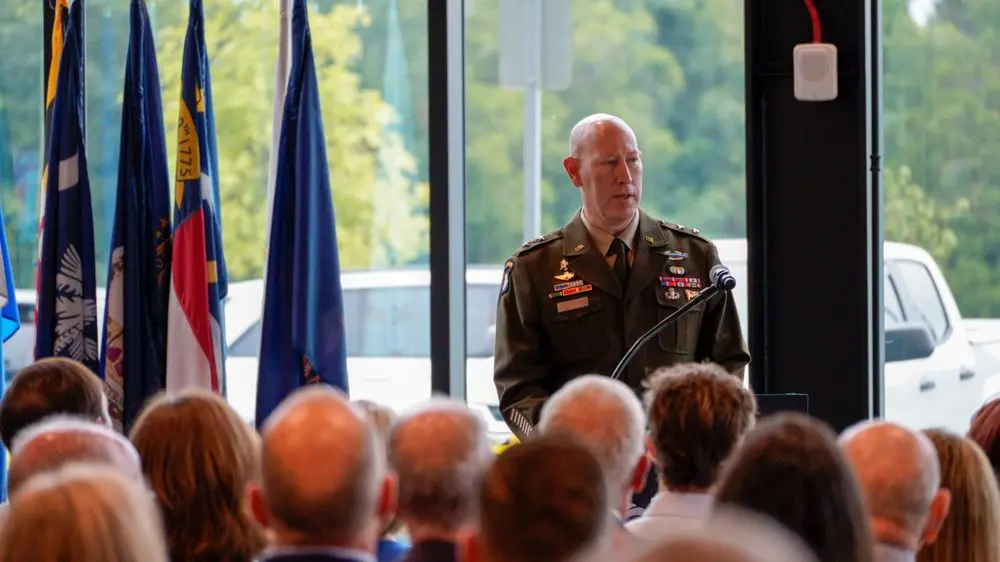
Addressing Soldiers, Veterans and Families gathered inside the museum, Petraeus called the event “solemn, profoundly meaningful, and long overdue.”
The Camp Pennsylvania attack remains one of the deadliest insider attacks in modern U.S. military history. During the early morning hours of March 23, 2003, Army Sgt. Hasan Karim Akbar, a member of the 326th Engineer Battalion assigned to the 101st Airborne Division, threw fragmentation grenades into command tents occupied by leaders of the 1st Brigade Combat Team, known as the Bastogne Brigade, before opening fire with his rifle.
The attack killed Seifert, the brigade’s assistant intelligence officer, and Air Force Maj. Gregory Stone, who later died from wounds sustained in the assault. Fourteen other service members were wounded, including then-Col. Hodges, commander of the Bastogne Brigade, and Chaplain Lamb. Initially, military leaders believed enemy forces were responsible before investigators determined the attack had been carried out by one of their own. Akbar was later convicted by court-martial of two counts of premeditated murder and multiple counts of attempted murder and sentenced to death.
Petraeus acknowledged the Army’s delay in recognizing those wounded.
Throughout his remarks, Petraeus reflected on the lasting impact the attack had on the division as it prepared to begin combat operations in Iraq.
“We had prepared ourselves for the casualties we knew might come in combat,” he said. “We had not prepared ourselves for casualties inflicted by one of our own.”
He also addressed Seifert’s widow, Terry, thanking her for carrying her husband’s memory for more than two decades while acknowledging that military families share in the sacrifices of service.
“Families serve and sacrifice too,” Petraeus said. “The burden simply falls differently upon them.”
Hodges, who would later rise to command U.S. Army Europe before retiring as a lieutenant general, focused his remarks not only on the tragedy but also on the response of the soldiers who survived it.
He credited noncommissioned officers for maintaining accountability during the confusion that followed the attack and said the brigade’s soldiers quickly reorganized despite losing many of their senior leaders.
The division crossed into Iraq three days later, ultimately participating in the drive to Baghdad before conducting operations in northern Iraq. Petraeus said the soldiers’ response demonstrated the resilience that has defined the 101st Airborne Division throughout its history.
“The enemy seeks not only to kill or wound,” Petraeus said. “The enemy seeks to break faith — faith in one another, faith in the mission, faith in our institutions and faith in our country. … He failed.”
Saturday’s ceremony followed an earlier Purple Heart presentation held at Fort Campbell in May, when six additional soldiers wounded in the Camp Pennsylvania attack received the medal. Together, the ceremonies have recognized nine individuals connected to the attack, while additional awards are expected as the Army continues reviewing remaining cases.
Standing before veterans, active-duty soldiers and Gold Star families, Petraeus stated the importance of remembering those who served.
072526 Purple Heart Ceremony
dsc2289

dsc2287

dsc2283
dsc2282
dsc4565

dsc2307
dsc2304
dsc2303
dsc2295
dsc2293
dsc2304