
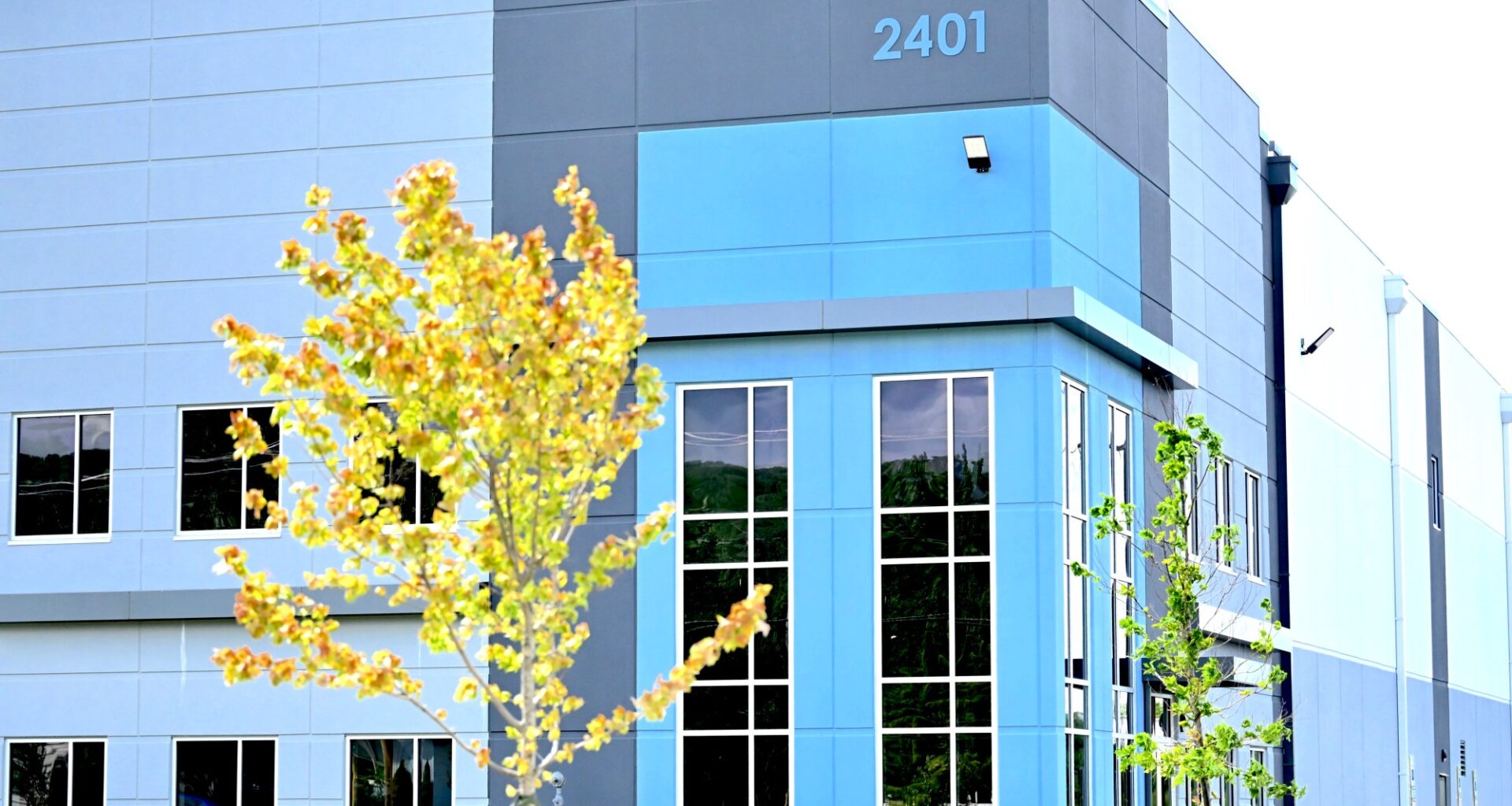
Camelot for Children, a nonprofit organization that helps chronically and terminally ill children, has filed a legal zoning appeal seeking to challenge a proposed data center across the street from its South Allentown facility.
Quantm LLC, a Philadelphia-based data center development company, has submitted plans to convert a 224,000-square-foot warehouse building on 2401 W. Emmaus Ave. into a data center.
The proposed data center is still awaiting a vote from the city’s planning commission on whether or not it may move forward, but the city late last year determined that a data center is a permitted building type on the property.
In an Oct. 16, 2025, letter from Allentown zoning officer Michael Handzo, the city determined that a data center may be treated as a “permitted-by-right” use in the I-3 zoning district, where the building is located.
The letter was among a number of documents received by The Morning Call in response to a Right-to-Know Law request seeking conversations between city staff, elected officials and the data center developers.
According to the letter, Allentown’s existing zoning ordinance does not specifically address where data centers can go at all in the city, as it “predates the widespread emergence of data centers as known in their current form,” Handzo wrote.
That means the city’s zoning officer is tasked with determining the most “closely allied use” that is covered by the zoning ordinance, which Handzo determined is manufacturing use. Manufacturing buildings are permitted by-right in the I-3 zoning district, according to the letter, and therefore data centers may also be built by-right in that district.
However, a lawyer for Camelot for Children is seeking to challenge that determination.
In an appeal letter dated July 6, Kevin Fogerty, an attorney representing Camelot, argues that there is a “gross disparity” between data center and manufacturing uses, so the city’s determination that a data center is allowed by right at 2401 W Emmaus Ave. is inappropriate and incorrect.
“Data Centers do not remotely meet the definition of manufacturing as they do not treat or process raw products nor do they create articles or finished products from raw or prepared materials by giving them new forms or qualities,” Fogerty wrote.
Fogerty also cited the city’s own newly passed data center ordinance as evidence that it does not consider manufacturing use to be similar to data centers.
That bill, which City Council approved in June, defines data centers as “a building, buildings or structures which are occupied primarily by computers and/or telecommunications and related equipment where digital information is processed.”
The new zoning ordinance allows data centers in two of the city’s three “industrial” zoning districts by “special exception” only, which means that each proposal will receive a public hearing and vote by the city’s zoning hearing board.
By contrast, the city’s zoning determination that the data center is permitted “by-right” means developers do not need a zoning permit approved by the zoning hearing board. And, because the new ordinance passed after Quantm LLC submitted its proposal for a data center, the ordinance’s requirements do not apply to that application.
Cities must legally allow for all types of building use, according to state law, so the city may not ban any and all data centers from within its borders entirely.
Camelot for Children’s zoning appeal will receive a hearing before the zoning hearing board within 60 days of the July 6 filing of the appeal. The three-member board will then determine if the city’s zoning determination may stand; that hearing has not yet been scheduled.
Mark Miller, chair of Camelot for Children’s board of directors, has shared his concern about how the proposed data center would affect his organization at several public meetings about the project.
The Morning Call has reached out to Camelot for Children and Quantm LLC for additional comment on the pending zoning appeal.
Reporter Lindsay Weber can be reached at Liweber@mcall.com.