
Reading is considering a state-recommended overhaul of its historic preservation program that would update the permitting process and expand Spanish-language access.
The recommendations, presented recently by Megan McNish, community preservation coordinator of the state Historical and Museum Commission, follow an evaluation launched after the collapse of Reading’s Historical Architectural Review Board in February.
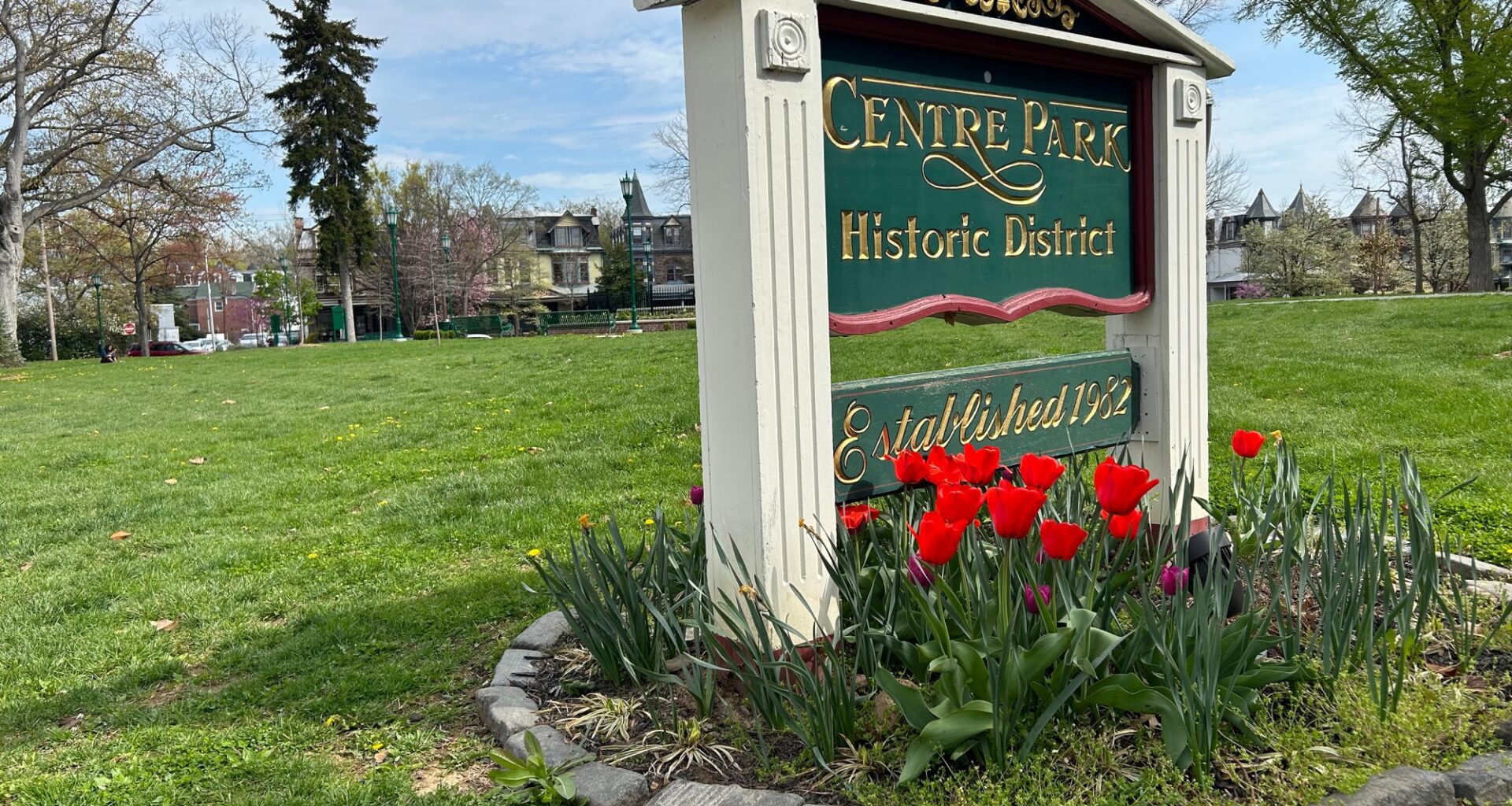
The volunteer board reviews exterior changes within Reading’s five local historic districts: Centre Park, Callowhill, Prince, Penn’s Common and College Heights.
McNish said the evaluation is intended not only to bring the city into compliance with state standards but also to provide a road map for strengthening the city’s preservation program over the next several years.
The report organizes recommendations into immediate, short-, medium- and long-term priorities.
The highest priority, she said, is rewriting the city’s preservation ordinance.
She also recommended evaluating whether the city’s current regulatory framework remains the best fit, clarifying which projects require review, incorporating preservation into the city’s digital permitting process and translating the ordinance and other preservation materials into Spanish.
“I’m recommending that the ordinance be translated into Spanish to ensure that the Spanish-speaking residents of the city, a population I know is continuing to grow, can understand and access the information in the ordinance,” she said.
Additional short-term recommendations include evaluating staff workloads, updating the city’s preservation website and revising application materials.
Community Development Director David Barr said the recommendations align with changes the city began exploring after the review board’s collapse.
Barr has said the board members resigned largely because of inadequate staff support, including preparing meeting minutes and issuing written decisions required under the ordinance.
He also noted the preservation office has struggled to keep pace as Reading has expanded from one historic district in 1978 to five today.
Although, a second staff person was hired for the office last year, Barr said, that person is still in training.
At the presentation, Barr outlined what he expects will be a multiyear implementation process, beginning with grant applications this fall and culminating in a new ordinance, updated design guidelines and surveys of all five historic districts.
“This is not a trivial effort, or something a two-person historic preservation team can do as another duty as assigned,” he said. “It will take several years, and that all depends on receiving the needed grant funding.”
Since April, council has authorized preservation staff to issue certificates of appropriateness without the HARB as a temporary measure. Barr said the arrangement has allowed staff to focus on review and enforcement instead of preparing board agendas and minutes.
“The flight has been fairly smooth; not a lot of turbulence,” Barr said, using an analogy to piloting an aircraft. “The oxygen masks have not dropped from the ceiling.”
He said the city may seek additional extensions of that temporary authority while the preservation program is rebuilt.
Council members largely welcomed the recommendations while raising questions about enforcement, transparency and compliance with state law.
Councilman O. Christopher Miller said modernizing the program is overdue but stressed that enforcement must remain a priority.
“I do think that the concept of a long-range plan for the future is important,” Miller said.
Adding Spanish-language materials makes sense, he said, because many violations stem from residents not understanding preservation requirements rather than intentionally disregarding them.
Councilman Jaime Baez Jr. questioned whether the city’s interim process could jeopardize its compliance with state law.
McNish said it would not, provided Reading continues working toward a long-term solution that complies with state enabling legislation.
Baez also asked how the city can ensure fairness while staff, or a HARB, reviews applications.
Amy Johnson, the city’s historic preservation specialist, said all applicants have been and will continue to be treated fairly and evenly.
Council President Donna Reed asked city administrators to provide council with a log of certificates of appropriateness approved during the interim period to improve transparency.
Barr also sought council’s input on the state’s recommendation that the city relax review of easily reversible changes, such as paint colors or satellite dishes, and focus enforcement on alterations with permanent impacts on historic character.
While some council members favored greater flexibility, Reed cautioned against weakening protections that preserve neighborhood character and property values.
Barr said administrators expect to return to council in October to request an extension of its temporary preservation review authority while pursuing grant funding to rewrite the ordinance.
If funding is secured, he said, the overhaul could take several years, culminating in new design guidelines, updated surveys of the city’s historic districts and the eventual reconstitution of the HARB.