
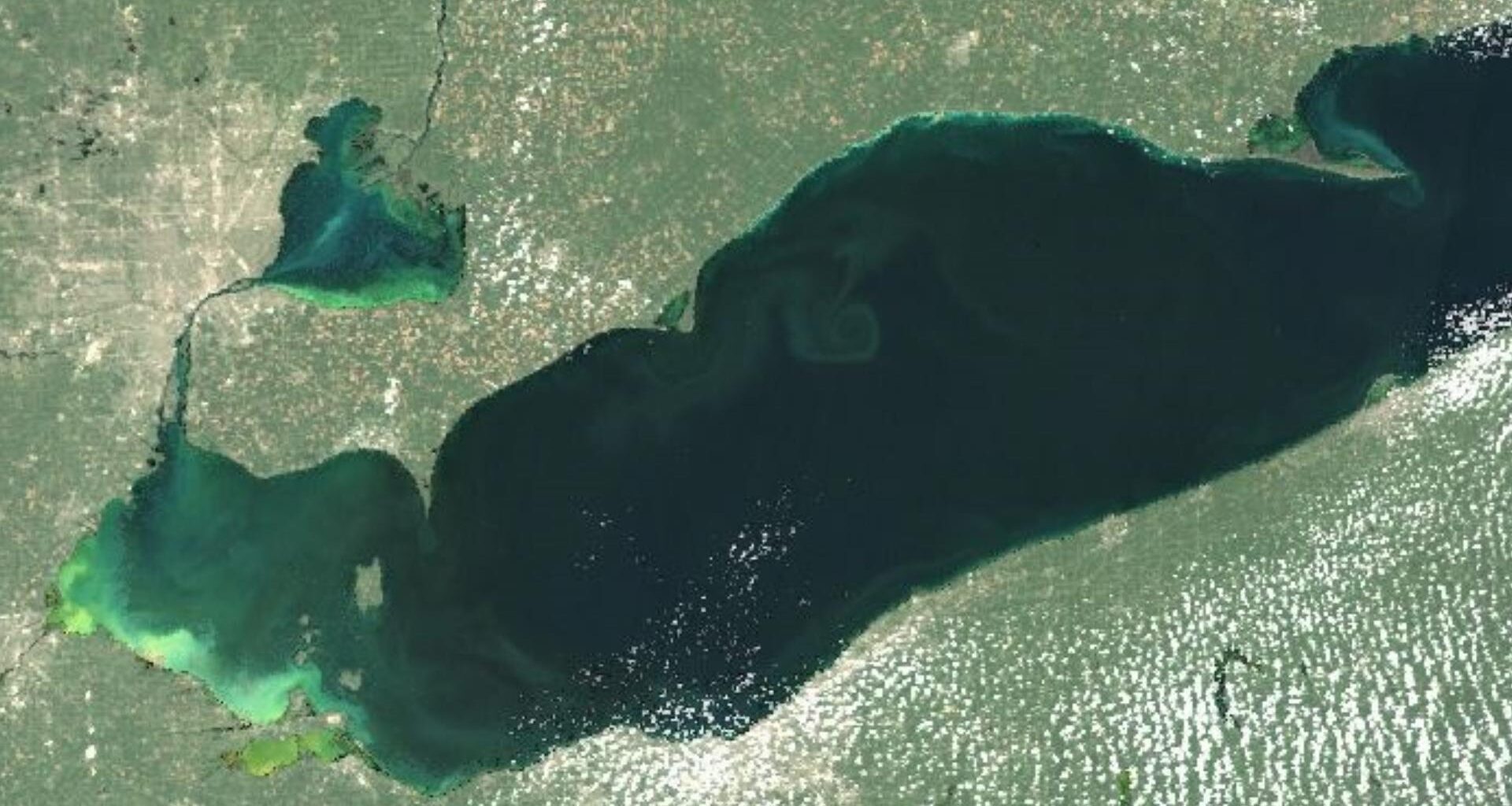
The latest analysis by NOAA indicates the the cyanobacteria bloom in western Lake Erie has an approximate area of 200 square miles.
TOLEDO, Ohio — The algal bloom in western Lake Erie has grown significantly in size in early August.
The latest analysis from NOAA has the approximate area of the cyanobacteria bloom to be around 200 square miles, which is nearly twice the area that was assessed just one week ago on July 27, with around 100 square miles noted. Sunshine on Monday offered the first recent satellite imagery from the Copernicus Sentinel-3 satellite.

This story continues below.
As of Aug. 3rd, cyanobacteria are present from north of Monroe, Michigan to east of Huron, Ohio, with higher concentrations in Maumee Bay. Toxins have been detected below the recreational limit in western Lake Erie.
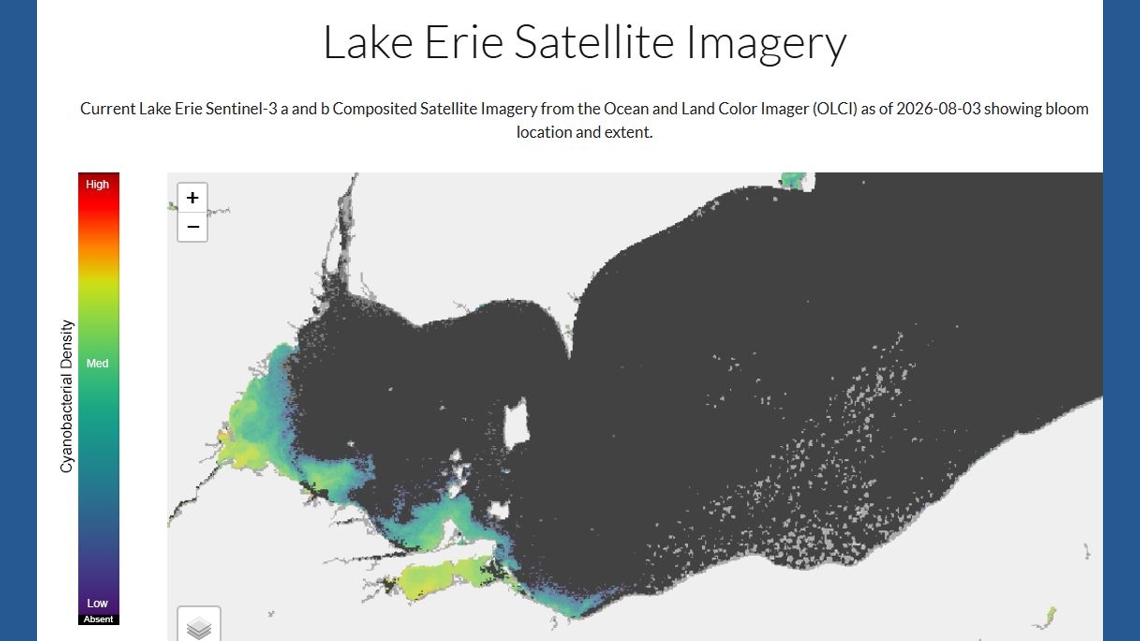
In the satellite imagery or bloom forecast position products, any areas that are orange or red are likely to have scum, especially during calm winds, light waves and currents and fair weather. The blooms will likely increase in size as the late summer heat and more stagnant weather patterns unfold in the month of August. While toxins have been below recreational limits, they can be highly concentrated in scums. If you see scum, keep your pets and yourself out of the water.
RELATED: How severe will the 2026 Lake Erie harmful algal bloom be? NOAA releases summer forecast
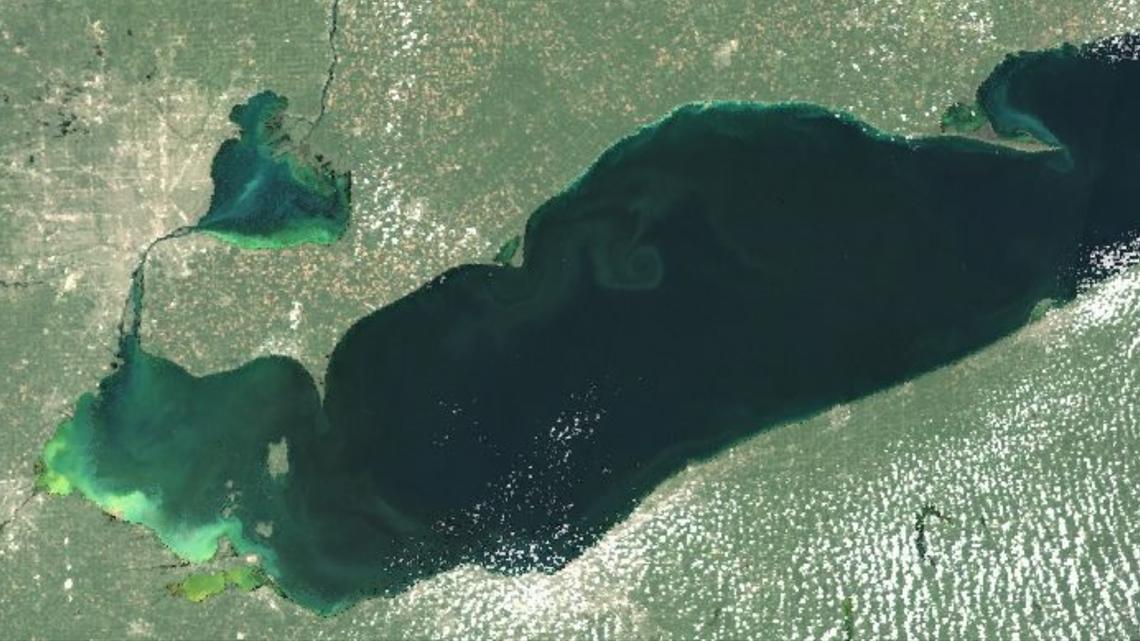
Current Lake Erie Sentinel-3 satellite imagery from the Ocean and Land Color Imager (OLCI) on Monday, Aug. 3, showing bloom location and extent in the western basin. Grey indicates clouds or missing data. Data below is derived from Copernicus Sentinel-3.
The worst harmful algal blooms (HABs) in the western basin of Lake Erie have generally occurred since the early 2010s. NOAA measures bloom intensity using a severity index based on the amount of algae present during the bloom’s peak 30 days. Blooms with an index above 5 are considered severe, while those above 7 are considered particularly severe with widespread scum formation.
As of early August 2026, the western Lake Erie harmful algal bloom is developing largely as expected and remains on track to be a moderate bloom, with an expected severity index around 3.5, which is well below the historic events of 2011 and 2015. In 2015, the severity index reached an all-time high of 10.5 in western Lake Erie.