
When people learn that I retired after a career as a physician, they often ask the same question: “So, how are you enjoying retirement?”
It’s a fair question, but I have come to think it misses the point. I didn’t retire from work; I simply sought new opportunities. While I no longer spend my days in an operating room or an executive suite, I remain engaged in teaching, mentoring, writing, volunteering and serving my community.
My calendar can be just as full as it was during my professional career, but the work is different. It is driven less by obligation than by purpose. That experience has convinced me that we need to redefine what retirement means in America.
Too often, growing older is viewed through the lens of decline. We hear phrases like “past your prime” or “slowing down,” words that subtly reinforce the idea that advancing age is synonymous with diminishing value. This quiet form of ageism does a disservice not only to older adults but also to the communities that need their knowledge, judgment, and experience.
The Lehigh Valley offers a different story.
During my years in medicine, I learned that wisdom is not acquired overnight. It is earned through decades of successes, disappointments, difficult decisions and constant learning. Those qualities do not disappear when someone leaves full-time employment. If anything, they become more valuable.
Today, I continue to coach physicians and young healthcare leaders as they navigate challenges that once confronted me. I mentor surgical trainees, speak and write on issues affecting healthcare and public policy, and remain active at my church. None of these activities generates a paycheck. All of them generate purpose.
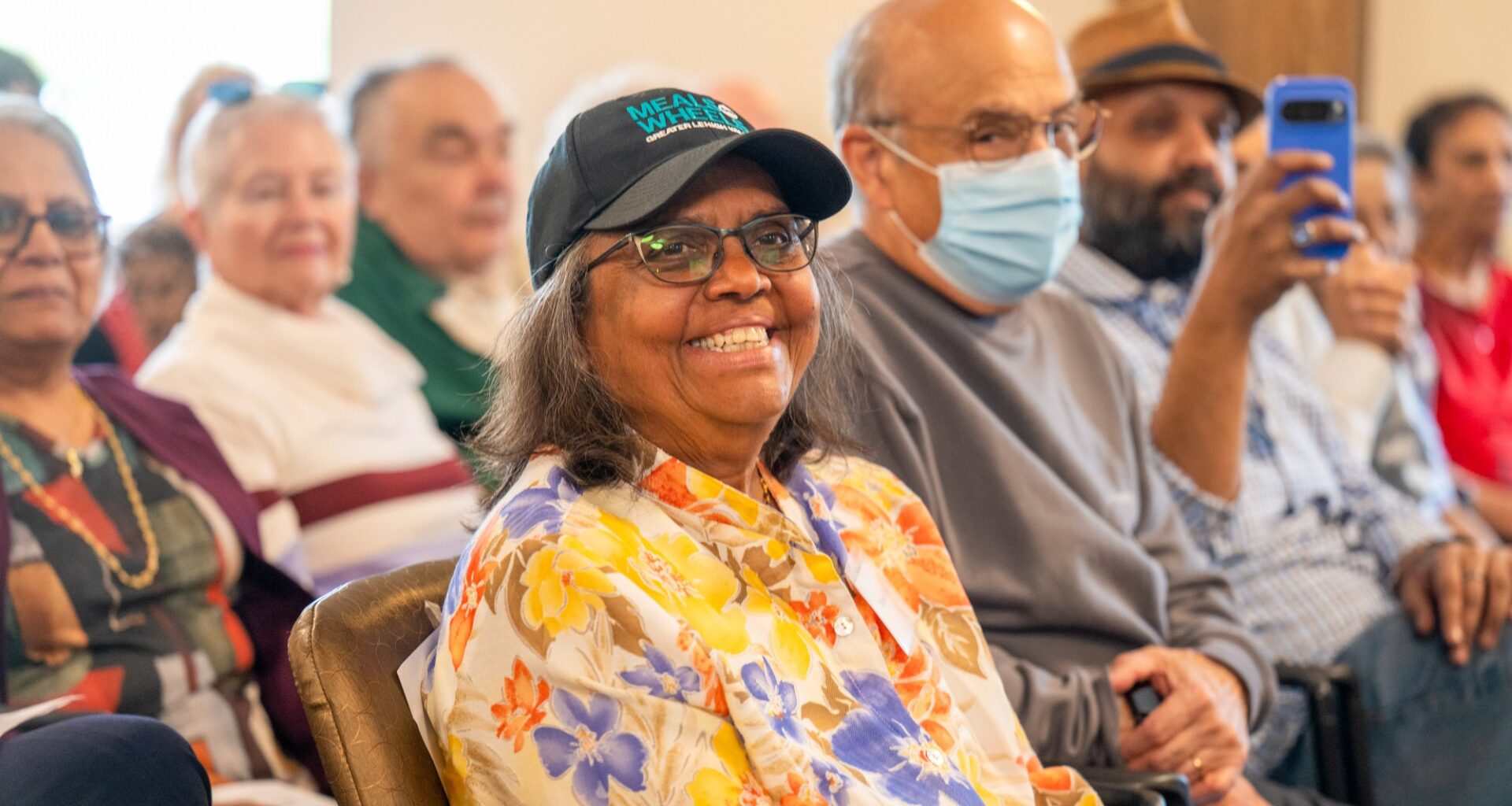
Across the Lehigh Valley, thousands of retirees are making similar contributions every day. Retired teachers tutor struggling students. Former business executives serve on nonprofit boards. Nurses volunteer in free clinics. Engineers mentor robotics teams. Veterans share leadership lessons with young people. Churches, food banks, hospitals, libraries, arts organizations and civic groups depend heavily on people whose professional careers may have ended but whose desire to servehas not.
Research confirms what many retirees already know from experience. Remaining intellectually engaged, socially connected and committed to meaningful work improves emotional well-being and cognitive health.
Purpose itself becomes an important contributor to healthy aging. Perhaps we have been asking the wrong question all along. Instead of asking, “When are you going to retire?,” perhaps we should ask, “How do you want to contribute next?”
Some will mentor. Others will teach, write, create art, coach youth sports, advocate for public causes or serve in local government. Many will finally have time to devote themselves fully to organizations that strengthen our communities. Retirement becomes less an ending than a reinvestment.
This matters because Americans are living longer than ever. Many people retiring in their 60s can expect another two or even three decades of active life. Those years should not be viewed as an extended period of withdrawal. They represent an extraordinary national resource.
Imagine the collective expertise represented by retired physicians, educators, accountants, tradespeople, military officers, entrepreneurs, public servants and skilled workers throughout the Lehigh Valley. Their knowledge cannot be downloaded from the internet or generated by artificial intelligence. It has accumulated one decision, one challenge and one lesson at a time.
Yet too often we unintentionally sideline these individuals because of their age rather than recognizing what they still have to offer. Our community can do better.
Local governments should actively recruit retirees to serve on boards and commissions. Schools and colleges should expand mentoring opportunities. Nonprofits should seek experienced leaders alongside younger volunteers. Businesses should recognize the value of retired professionals as consultants and advisers. Communities become stronger when generations work together rather than apart.
At age 74, I find myself learning new things almost every day. I recently completed a Master of Legal Studies degree, not because I needed another credential, but because curiosity did not retire when I did. The classroom reminded me that intellectual growth has no expiration date. If anything, experience enriches learning by providing context and perspective that younger students are only beginning to acquire.
I have also discovered something unexpected. The satisfaction that comes from helping a young physician solve a difficult leadership problem, assisting a family in need or writing about issues that affect our community is remarkably similar to the fulfillment I experienced during my years in medicine. The setting has changed. The purpose has not.
Growing older is inevitable. Becoming irrelevant is a choice that neither individuals nor society should make. Retirement should never be defined by what we stop doing. It should be measured by what we continue to give.
The Lehigh Valley is blessed with thousands of older adults whose greatest contributions may still lie ahead. Rather than viewing retirement as the closing chapter of life, perhaps we should recognize it for what it can become: a season of wisdom, generosity and renewed purpose.
Our communities and all of us who hope to grow older will be better for it.
This is a contributed opinion column. Dr. Tom Whalen is a retired pediatric surgeon. He served as chief medical officer of Lehigh Valley Health Network from 2011-21. The views expressed in this piece are those of its individual author, and should not be interpreted as reflecting the views of this publication. Do you have a perspective to share? Learn more about how we handle guest opinion submissions at themorningcall.com/opinions.