
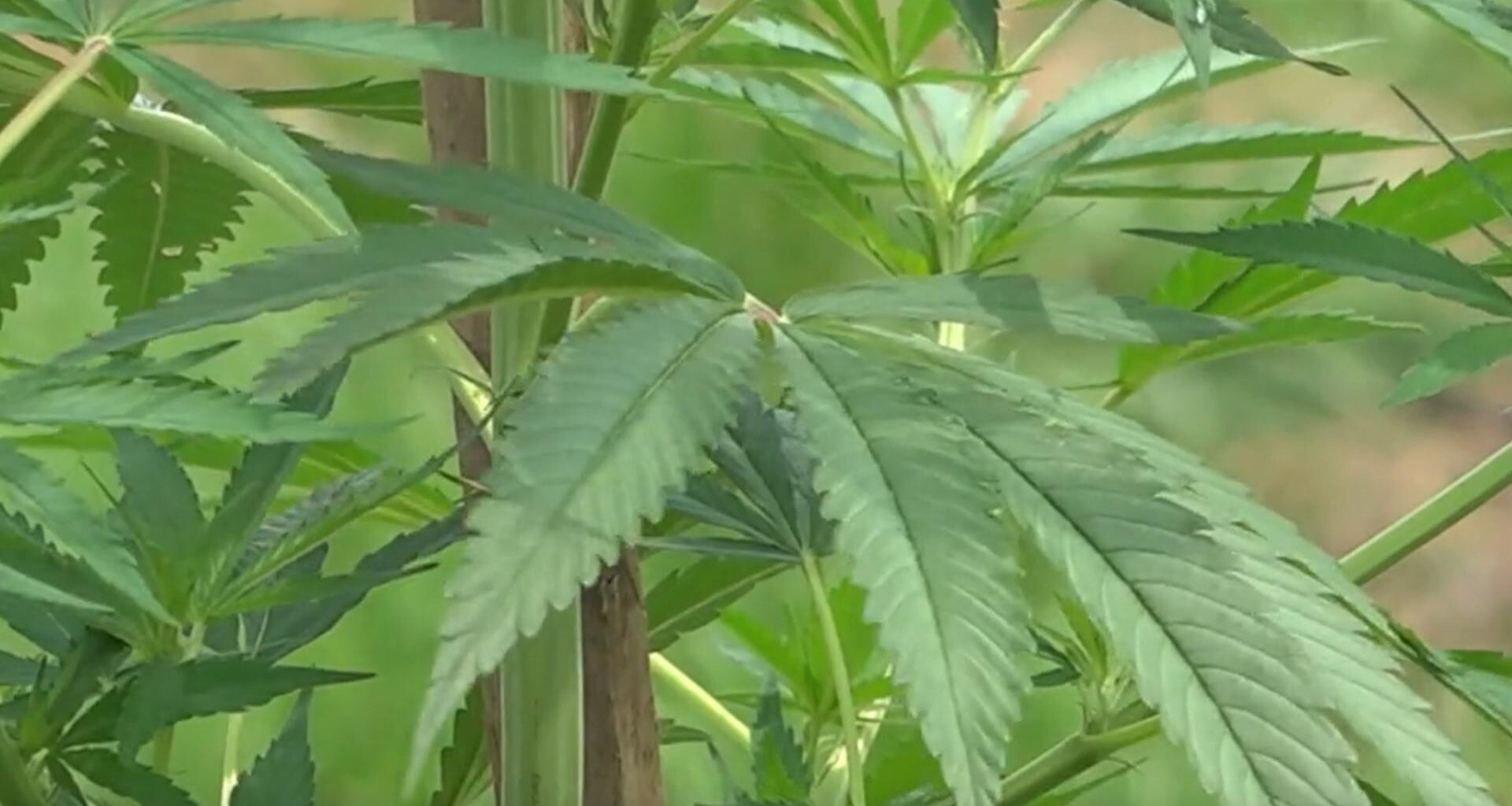
A proposed crackdown on hemp-derived THC products could dramatically change the industry.
ADAMS COUNTY, Pa. — A federal overhaul of hemp regulations could dramatically change how hemp is grown and sold across the country, leaving Pennsylvania farmers uncertain about the future of this year’s crop.
Regulations approved by Congress last year would tighten federal THC limits for hemp products beginning in November.

This story continues below.
Under the new standard, hemp products would have to meet both a 0.3% total THC threshold and a separate cap of 0.4 milligrams of total THC in finished products.
Supporters of the changes, including Pennsylvania Attorney General Dave Sunday, argue the restrictions are needed to curb intoxicating hemp products that are sold outside the same regulations as marijuana.
In a letter sent to Congress last week, Sunday joined more than 30 other attorneys general in urging lawmakers not to weaken or alter the restrictions.
But Congress could soon have more time to reconsider those requirements.
On Aug. 8, the Senate passed a short-term funding bill that would delay the new hemp restrictions by about 30 days. The measure still requires House approval and the president’s signature before it can take effect.
Tyler Shannon, a hemp farmer in Adams County, said the proposed extension offers hope that lawmakers will reconsider the regulations before they take effect.
“It’s a lifeline,” he said. “Congress gets 30 more days to actually give us regulation. It doesn’t have to be the wild west anymore.”
Shannon said that unless lawmakers alter the requirements passed last year, nearly all hemp would become illegal, even if it is not intoxicating.
“Let’s say you find a plant that has 0.3% total THC. You have one gram of it, this minuscule little amount like the size of the tip of my thumb. That’s 7.5 times the legal limit. So even though it’s completely non-intoxicating, it is considered marijuana under those regulations.” Shannon said.
Shannon says that additional 0.4-milligram limit is what makes the new standard so difficult for farmers to meet.
“It’s basically like saying if you want to build a basketball team you can go ahead and do that. You just need to pick from people who are 8 feet or taller,” Shannon said. “You’re not going to get a basketball team.”
In his eyes, the consequences for hemp growers could be severe.
“I think any honest observer can see that that’s not really regulation, that’s complete destruction of the entire industry,” Shannon said. “That means all of this becomes illegal, [and] my business goes under.”
Shannon said hemp farmers who have followed the law are now paying the price for a small number of bad actors.