
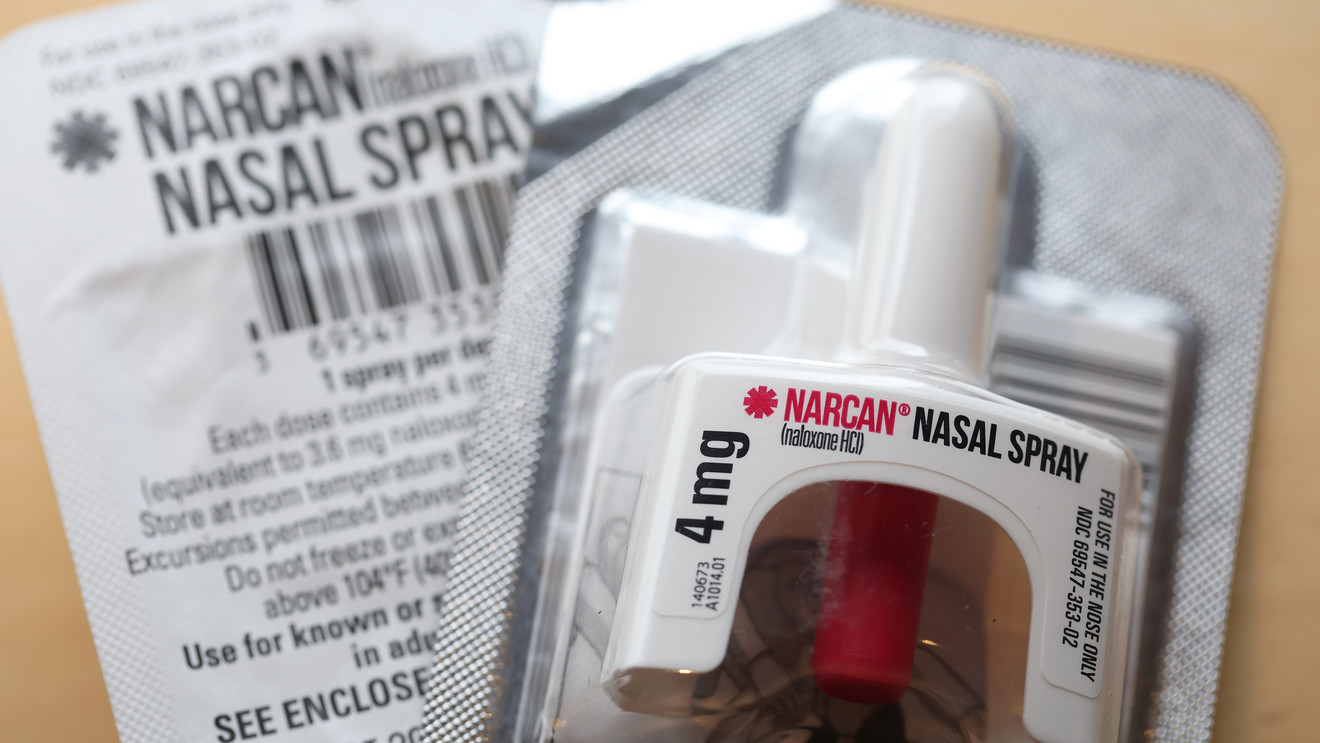
PENNSYLVANIA (WHP) — The Department of Drug and Alcohol Programs (DDAP) has launched a new, free, self-paced online training aimed at equipping Pennsylvanians with the knowledge necessary to effectively use naloxone and reverse opioid overdoses.
According to DDAP, Gov. Josh Shapiro and his administration have helped kickstart the new program in response to feedback from Pennsylvanians interested in learning how to better combat overdoses.
“The Shapiro Administration heard the call from advocates, families and those in recovery—and we answered,” said DDAP Secretary Dr. Latika Davis-Jones. “Overdoses can happen anytime, anywhere–every Pennsylvanian who knows how to recognize an overdose and use naloxone to reverse it has the potential to save a life.”
More than 100 Pennsylvanians have already completed the course within the first two weeks of becoming available online, DDAP announced.
Since Shapiro took office, there have been more than 17,600 overdose reversals using naloxone across the Commonwealth.
Additionally, 2.8 million doses of naloxone and 2.2 million fentanyl and xylazine test strips have been handed out through DDAP overdose partners, the agency confirmed.
This new training complements Shapiro’s ongoing efforts to reduce overdose deaths while expanding access to prevention, treatment, and recovery services throughout the state.
The training consists of the following five modules, each taking around 20 minutes to complete:
Risk reduction strategies and overdose reversal training cover risk reduction strategies for people who use drugs and why overdose reversal training matters.Naloxone history and basics outlines when and why naloxone was developed.Recognizing an opioid overdose explains how to distinguish an opioid overdose from other medical emergencies.Overdose responses covers strategies for a compassionate overdose response.Naloxone access, distribution, and training strategies detail where to get naloxone in Pennsylvania.
“The overdose crisis affects all Pennsylvanians, which means we all have a role to play in saving lives,” said Secretary of Health Dr. Debra Bogen. “When you take the time to educate yourself and learn how to respond to an overdose, you are becoming a lifeline for your friends, neighbors and community. This important training gives Pennsylvanians practical information and the confidence needed to step in and save a life when every second counts.”
This training is available to the general public along with healthcare professionals, treatment providers, peer support professionals, first responders, public health professionals, and anyone else working on the frontlines of the opioid epidemic.
“Through this training, we’re equipping people with current information so they can confidently recognize and respond to overdose and other drug-related health emergencies in their communities,” said Rose Laurano, Philadelphia Department of Public Health Harm Reduction Manager. “We’re committed to sharing the lessons learned here in Philadelphia with communities across the state to help everyone meet the challenges presented by this evolving public health crisis.”
Participants will learn how to recognize overdoses in the midst of the ever-increasing complex drug supply, including substances laced with sedatives like xylazine and medetomidine.
“As new substances emerge in the Pennsylvania drug supply, and the overdose crisis continues, it is crucial that first responders, public health professionals, and good Samaritans be equipped with the most up-to-date and evidence-based information about how to compassionately respond to opioid overdoses,” said Julia Hilbert, MSW, PA Naloxone Project & Technical Assistance Coordinator at Prevention Point Pittsburgh. “We hope this training gives people the tools they need to become active bystanders in their communities across the Commonwealth.”
This training is a key cog in the DDAP plan to enhance statewide overdose prevention and response efforts.