
New treatment for menopause hot flashes and night sweats
Women who experience menopause symptoms can have them briefly and temporarily, or for as long as a decade. They can be incredibly disruptive to sleep, mood, cognition, sexual health, physical health and daily productivity at work and in daily life, Clement said.
Hormone therapy injections or pills have been safe and effective in treating multiple menopause symptoms at once, but women who can’t take these medications because of hormone-positive cancers, a history of blood clots or past strokes are left with fewer options.
Antidepressant or anticonvulsant medications are alternative, nonhormonal drug options sometimes used for menopause symptoms, but doctors say they’re often not as effective.
That makes the development of a new, nonhormonal drug significant, said OB-GYN Dr. Julia Switzer, program director of obstetrics and gynecology residency at Thomas Jefferson University.
It highlights a gap in care and the need for more medications and treatments broadly for menopause, whether it’s occurring naturally or after cancer and other medical conditions, she said.
“It really makes you feel like you can make your toolbox bigger and provide a treatment that would be effective for almost every patient that you see,” Switzer said, “which is really empowering as a physician and obviously for patients.”
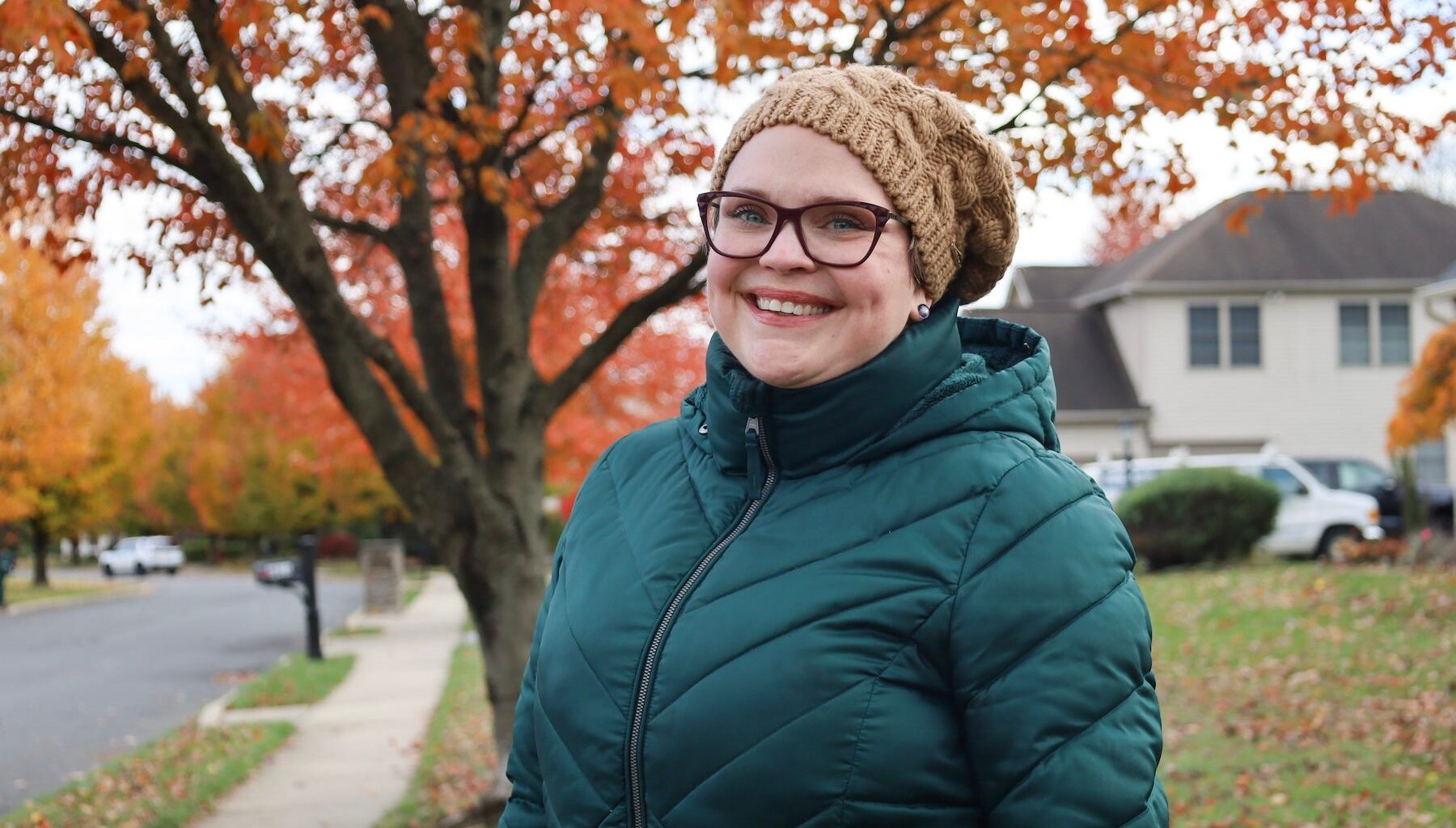
For cancer survivors like Safrit, the new drug could be a helpful tool as they navigate a new reality.
Before her diagnosis, Safrit said menopause seemed so far off, something she had plenty of time to figure out.
But she quickly became her own advocate and researcher as she sought answers and relief to menopause symptoms following her cancer treatment.
Safrit, who is now 47, runs a breast cancer support group in the Lehigh Valley and works with organizations like Living Beyond Breast Cancer to increase awareness about the long-term effects of survivorship, including menopause.
“People are afraid to talk about it,” she said. “And I’ve always been an oversharer. I call it my superpower, because I overshare with people and all of a sudden, they feel comfortable and they’re like, ‘Well, you know, I guess I can tell you about these weird things that are happening in my body.’ And it’s helpful.”