
3 Must-See Moments at the Pennsylvania Hospital Museum
When I first walked into the museum, standing on a marbled floor and staring up at the Good Samaritan logo — the hospital’s official seal, designed by Benjamin Franklin and Dr. Thomas Bond — I was awe-struck. It reads: “Take Care of Him and I Will Repay Thee.”
And this building has repaid many in its 275 years, from opening the first maternity ward in 1803 to performing the first laparoscopic-assisted vaginal hysterectomy in 1991.
I nerded out on Elizabeth Gardner’s Matron Book. She was the first administrator and kept records of everything, including linen orders, distributed wages and food deliveries — mutton and oysters were popular! And I was fascinated by the modern breakthroughs chronicled on the second floor, including deep brain stimulation for Parkinson’s patients and CART-T cell therapy for cancer patients.
Here are my favorite experiences at the Pennsylvania Hospital Museum.

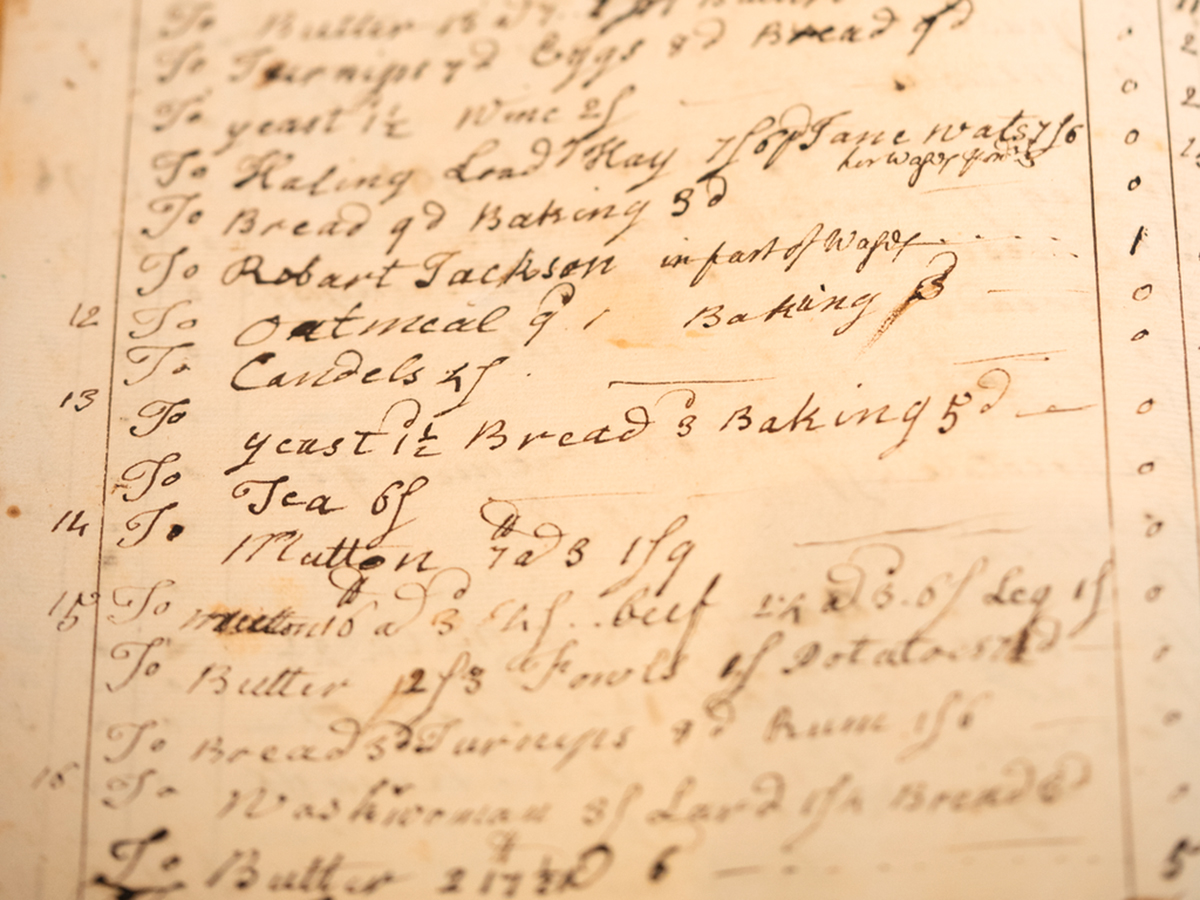
Elizabeth Gardner’s Matron Book
— Photo courtesy Penn Medicine
History & Heroes
The Apothecary Room stands in tribute to herbal remedies. There are 75 drawers that you can open, revealing tincture jars, pill boxes and even advertising campaigns.

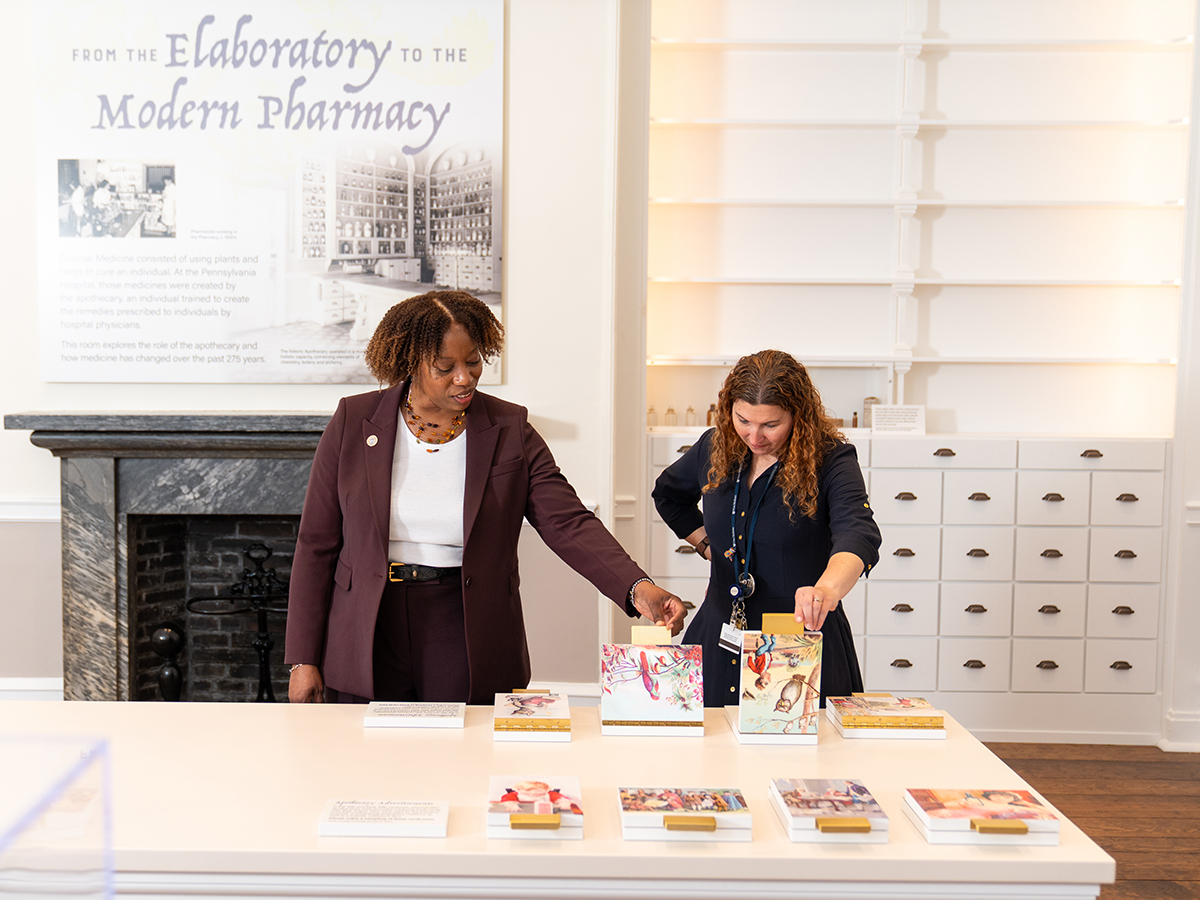
Apothecary Room
— Photo courtesy Penn Medicine
Look for the Board of Managers’ Book on the first floor. Penned by Benjamin Franklin himself on April 6, 1751, it contains actual meeting minutes and outlines the criteria for the “practice of physick and surgery.”
You can view blueprints for the Physic Garden, a botanical garden first proposed prior to the Revolutionary War in 1774 (but not built until 1976).

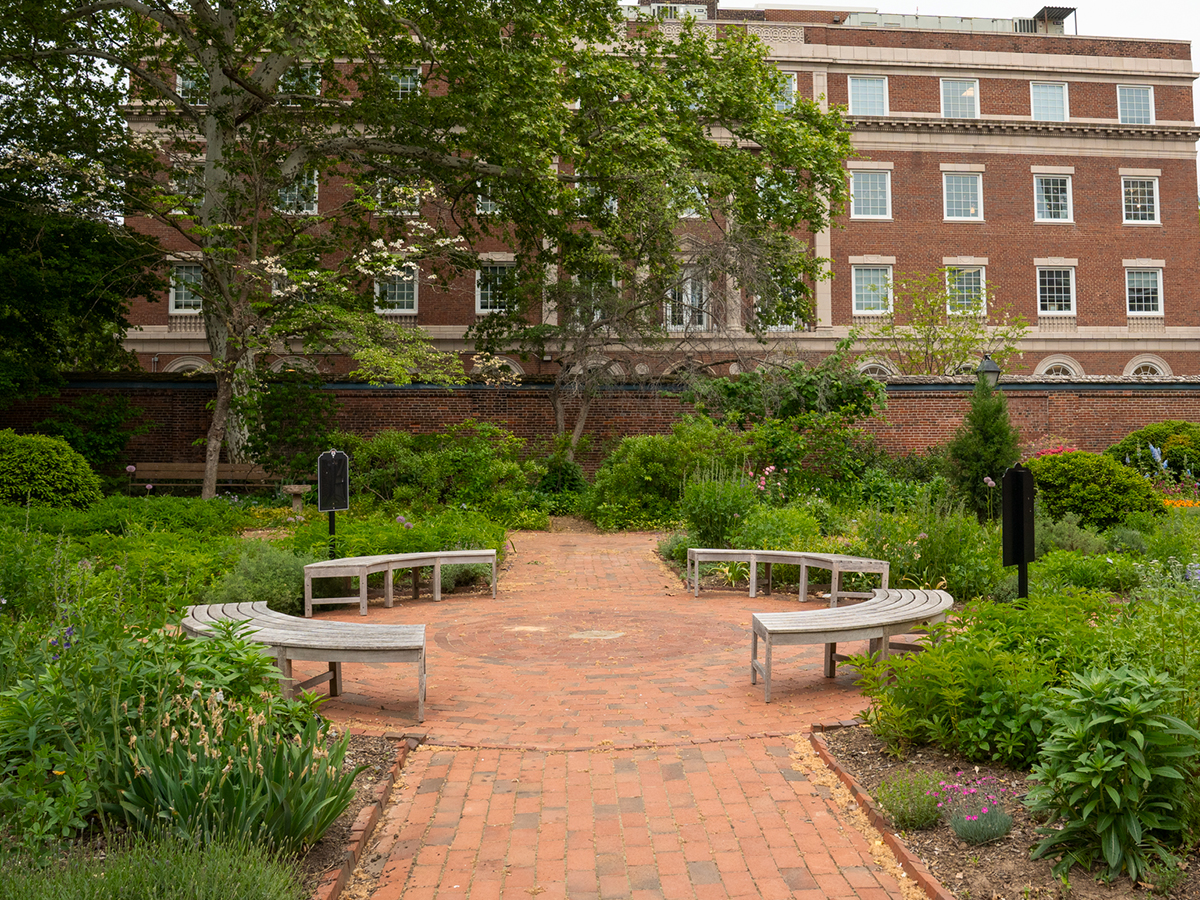
Physic Garden
— Photo courtesy Penn Medicine
Other artifacts I saw included iron restraints once used on mentally ill patients, a journal from the Spanish-American War that documents soldiers suffering from typhoid and a receipt paid to abolitionist Richard Allen — the eventual founding pastor of Mother Bethel AME — for his work as a chimney sweep.
Trailblazers & Tomes
The nation’s first medical library was established in 1762 after Dr. John Fothergill, a London physician, sent over three anatomical plaster casts that show the female body at different stages of childbirth.
Eventually, the collection grew to 13,000 volumes and contains works published between 1750 and 1850, including An Experimental History of Materia Medica by William Lewis.

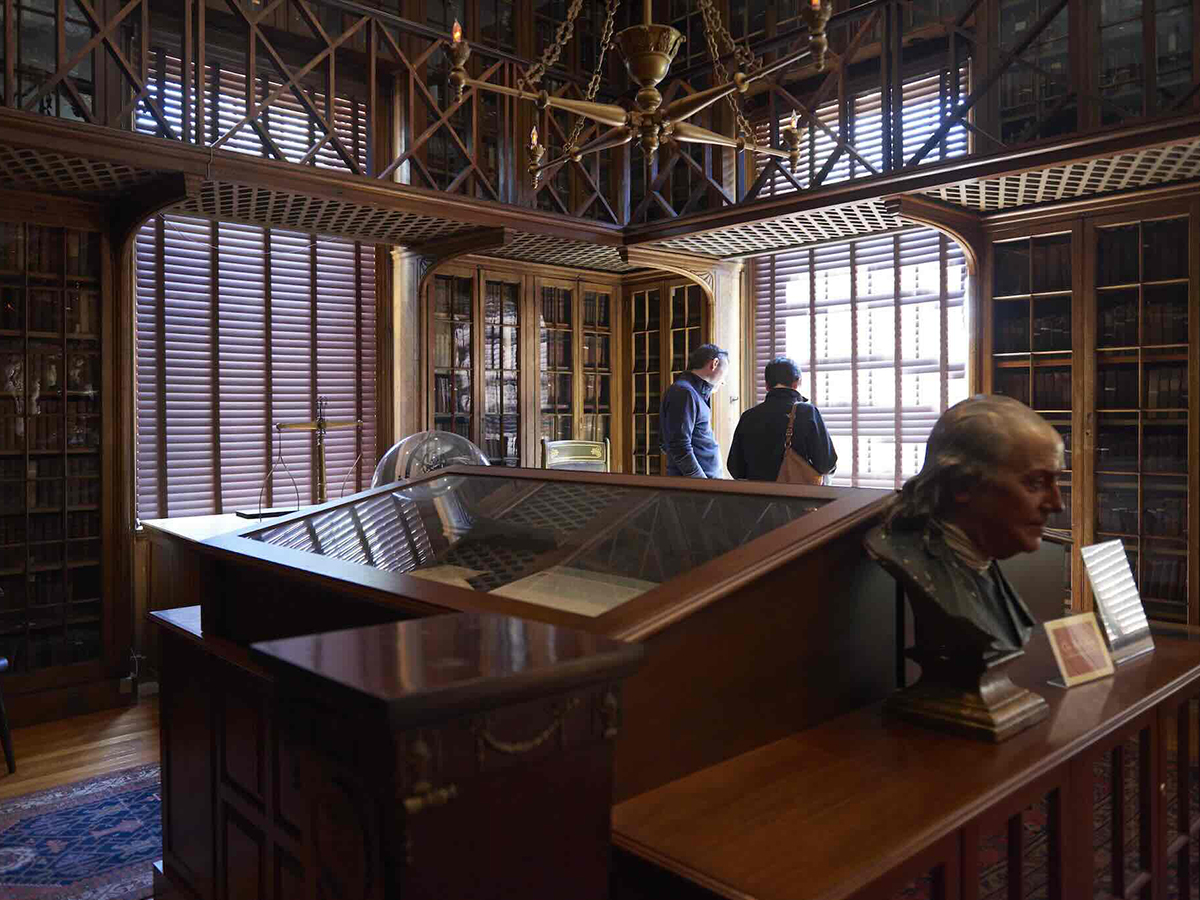
Medical Library
— Photo courtesy Penn Medicine
Outside the library hangs a painting of Dr. Benjamin Rush, the “Father of American Psychiatry” who was the first person to introduce occupational therapy — using meaningful activity, like gardening, to treat mentally ill patients.
Across the hall, interactive touch screens introduce modern advances in women’s health. For example, you can click on Dr. Kate O’Neill and watch a video about the first uterus transplant.
Surgeries & Syringes
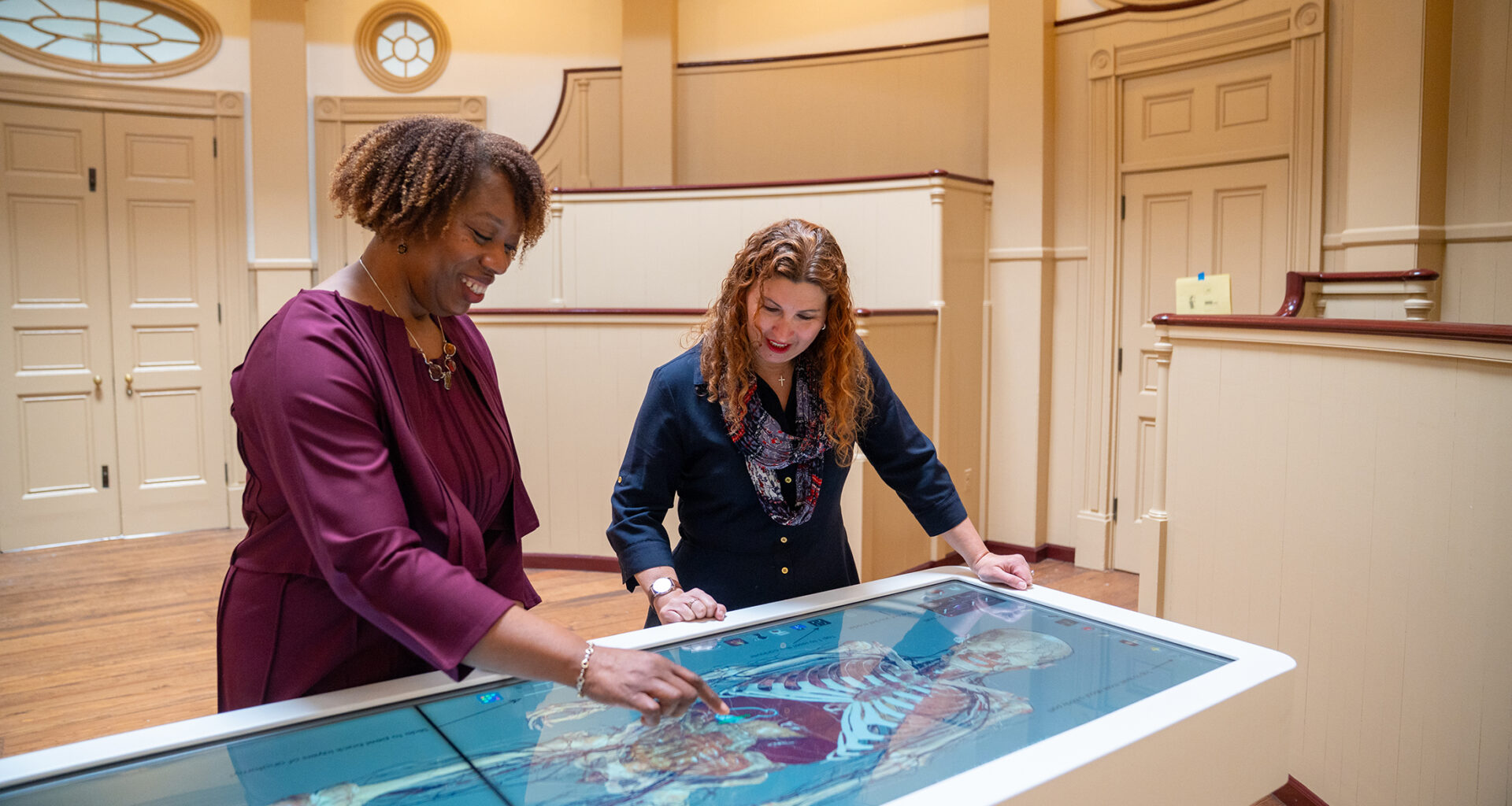
The Surgical Amphitheatre shows what an operating room looked like in the 18th century. Sunbeams shine in from a dome — which allowed doctors to see in an era before electricity — as surgical tools sit in display cases.
Those tools, now outdated, helped me visualise the patient experience. I’m talking about cold steel on flesh and bone, things like a tonsil guillotine for tonsillectomies, a sacrificator for bloodletting and cupping sets for drawing toxins out, plus amputation pincers and a silver tracheotomy tube.
The Anatomague Table is the star. You can work digitally on a virtual patient by making incisions and analyzing the human body. Or sit in an observational bench and imagine what it must have been like to go under the knife, without anesthesia. (Yikes!)

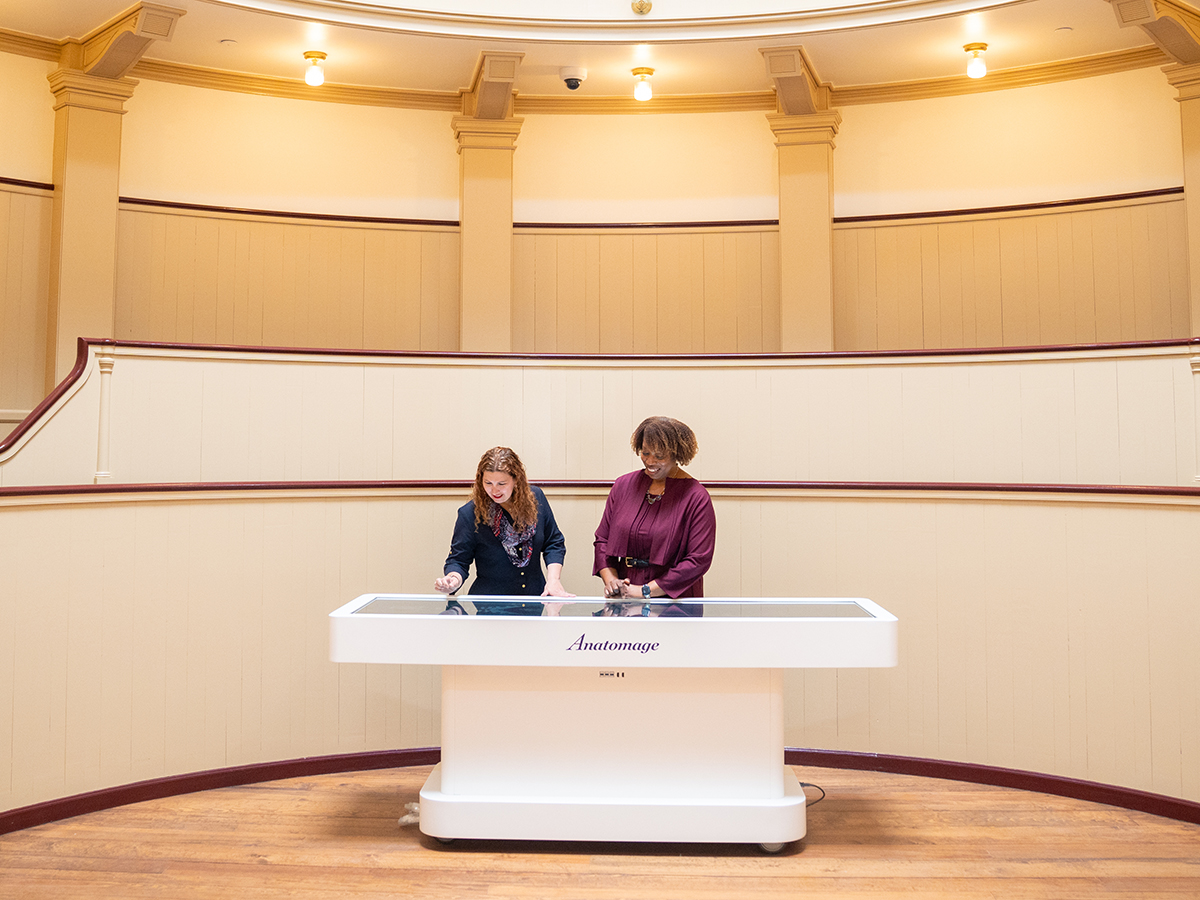
Anatomague Table
— Photo courtesy Penn Medicine
Tickets & More
The Pennsylvania Hospital Museum is open Wednesday through Sunday from 9 a.m. to 5 p.m.
Book your single-day timed ticket on the museum’s website. Self-guided tours are available every hour on the hour.
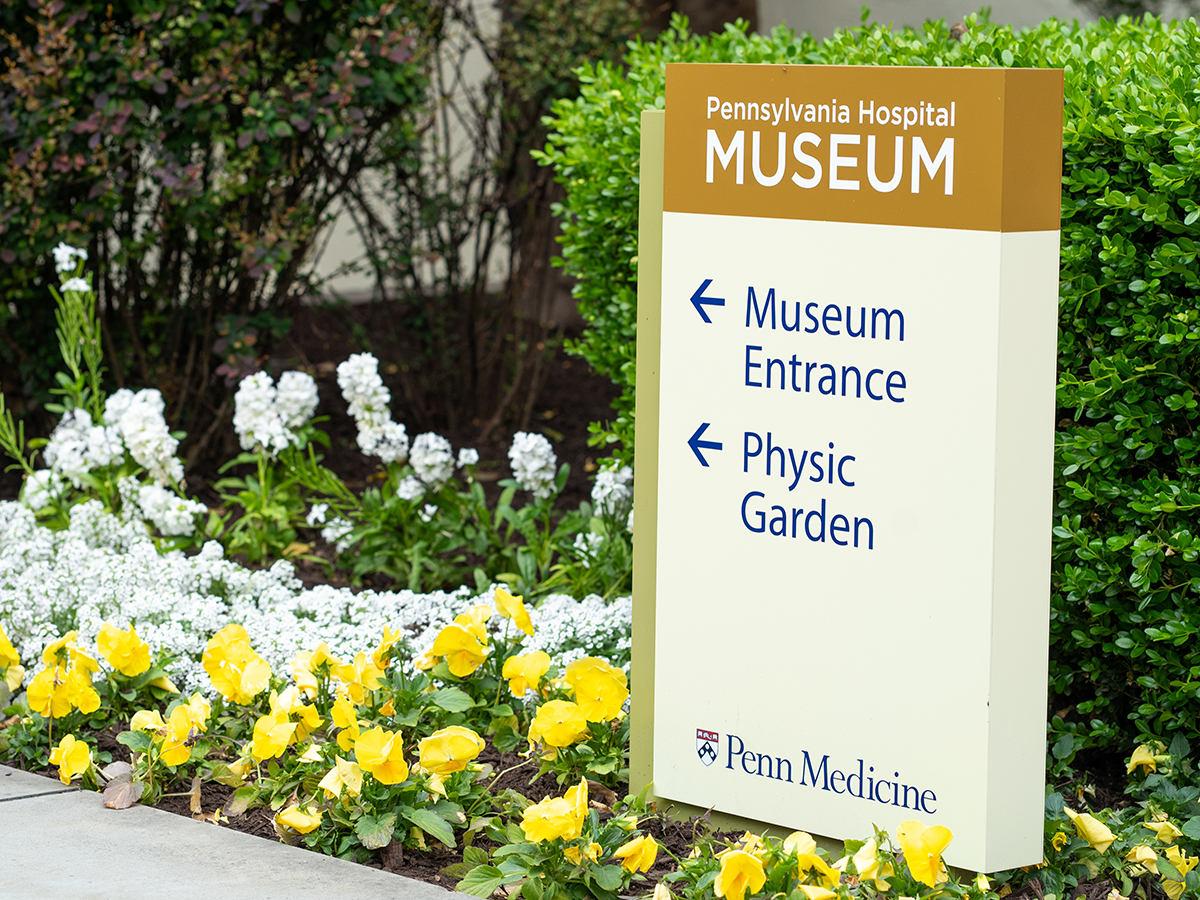
Pro tip: The museum’s entrance can be tricky to find. You must first proceed to the gift shop at Ben’s Den on 800 Spruce Street and present your digital ticket. You’ll be given a bracelet to wear on your wrist as proof of admission. From there, just proceed through the security checkpoint.

— Photo courtesy Penn Medicine
For more on the Pennsylvania Hospital Museum, click the button below.