
Pitt researchers study shadow bands during European solar eclipse
The Pitt ‘Shadow Bandits’ chase solar eclipses to understand cause of unusual phenomenon
 PITTSBURGH —
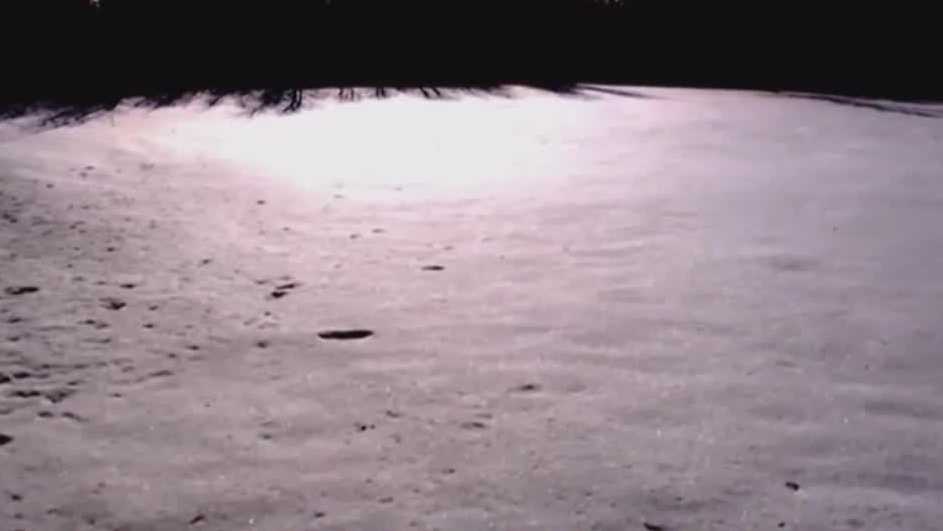
Researchers from the University of Pittsburgh are working to uncover what causes unusual shadows that are only seen moments before and after maximum eclipse.
“When the moon fully occults the sun, the moments before and after that, we tend to see these little light and dark bands race across the ground,” said Giana Deskevich, a former undergraduate researcher with the “Pitt Shadow Bandits.”
Deskevich said that shadow bands only occur during the first three minutes before totality and the three minutes after, making the observation window very limited.
“Frankly, there’s no guarantee they show on any particular site,” she said.
She also noted that little is known about shadow bands, including their true cause.
The Pitt Shadow Bandits use high-altitude weather balloons and light arrays to observe conditions surrounding visible shadow bands.
“There is a lot of interest in this very specific phenomena,” Deskevich said. “I think the more people engage with it, the more puzzled they are by it, as was I when I discovered it for the first time.”
One of Deskevich’s former mentors shared that the team observed “very faint and slow” shadow bands in Spain during the Aug. 12 eclipse.
The Pitt Shadow Bandits will continue their research during upcoming solar eclipses in South America and Africa in February, and next August, when totality will last nearly six and a half minutes in North Africa.