
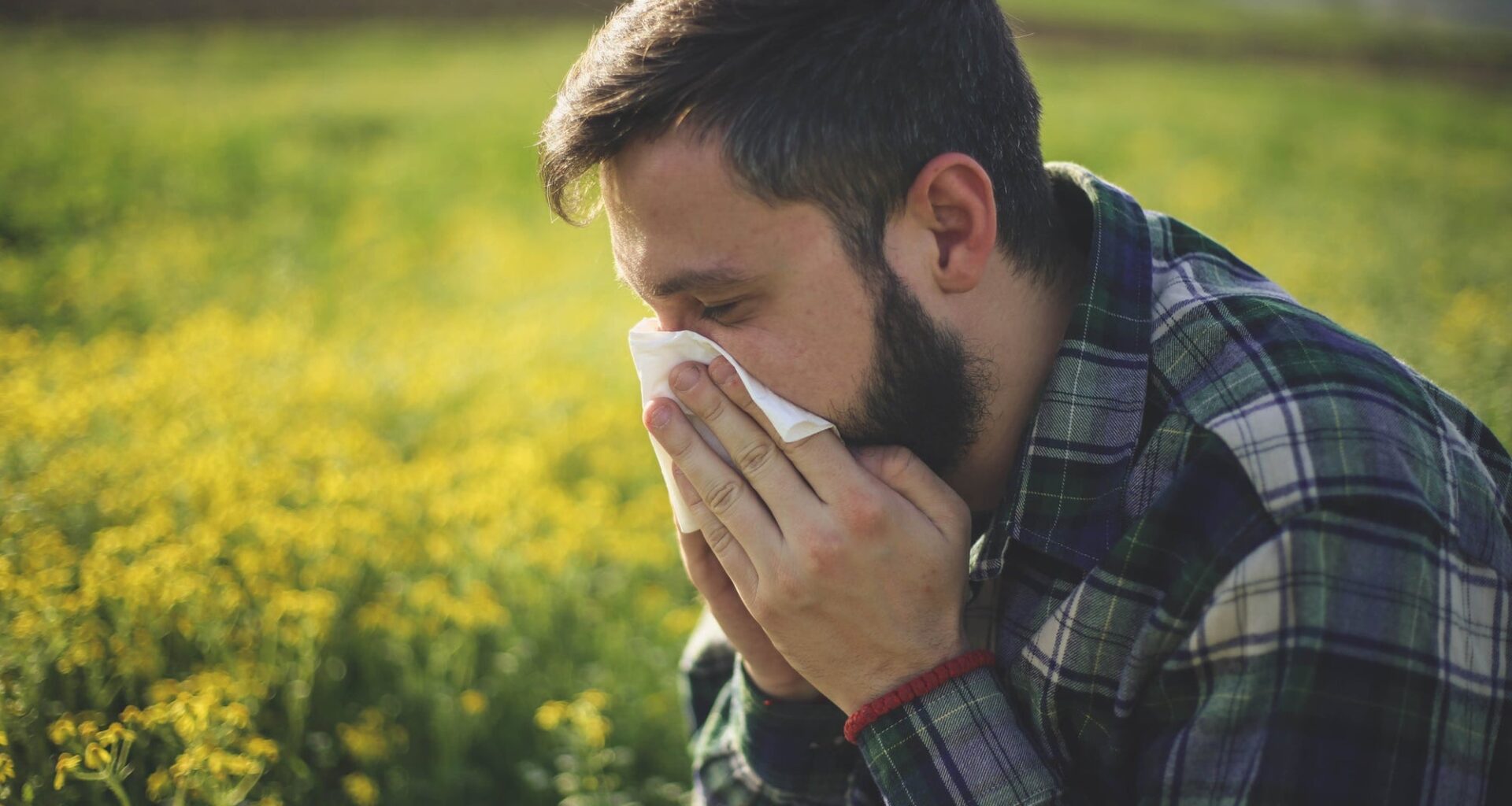
Get your tissues ready, Philadelphia. The region faces a longer, more intense ragweed allergy season this year as warmer summer and fall temperatures increase pollen production.
According to a Northeast Times report, ragweed plants line riverbeds, highways, and urban/suburban areas around the Philadelphia area. Pollen can also be present even when plants aren’t clearly visible nearby.
Ragweed pollen is lightweight and windborne, capable of traveling miles. It can trigger itchy eyes, sneezing, congestion, headaches, and fatigue for allergy sufferers. Additionally, allergic reactions to ragweed can worsen chronic conditions such as asthma, leading to increased coughing, wheezing, and shortness of breath, especially in the fall.
“More people are being affected as a result, and there’s a greater severity of symptoms,” said Dr. Manav Segal, allergist, immunologist, and owner at Chestnut Hill Allergy & Asthma Associates, in a statement shared with the Northeast Times.
Daily life impacts include missed work or school and higher medication costs for those affected, particularly among more sensitive individuals.
Common management for ragweed allergies includes over-the-counter nondrowsy antihistamines and steroid nasal sprays. Allergen immunotherapy is a long-term option that can help reduce sensitivity, though it does not provide immediate relief.
Short-term relief is typically achieved with nondrowsy antihistamines and steroid nasal sprays, similar to treatments for spring pollen from trees and grasses.
Practical steps to reduce allergen exposure include avoiding outdoor activity during midday hours and wearing protective eyewear and masks.
Allergen immunotherapy offers long-term relief by reducing sensitivity over time.
“They don’t take immediate effect, but they can, over time, make people less allergic, less symptomatic, and reduce medication demands,” Segal said to the Northeast Times.