
LEHIGH VALLEY, Pa. — Heather Disario still works in the Lehigh Valley. She just can’t afford to live here.
The 50-year-old Lehigh Valley native operates a home-cleaning business in the region, but now lives more than two hours away in Montrose, Susquehanna County.
Disario said she spent about three years trying to find a home in the Valley before eventually leaving.
“It was very time-consuming, very frustrating,” Disario said. “I didn’t want to have to leave, but I can’t afford it.”
Her experience illustrates a much larger regional housing problem outlined in the newly released Lehigh Valley Housing Supply and Attainability Strategy.
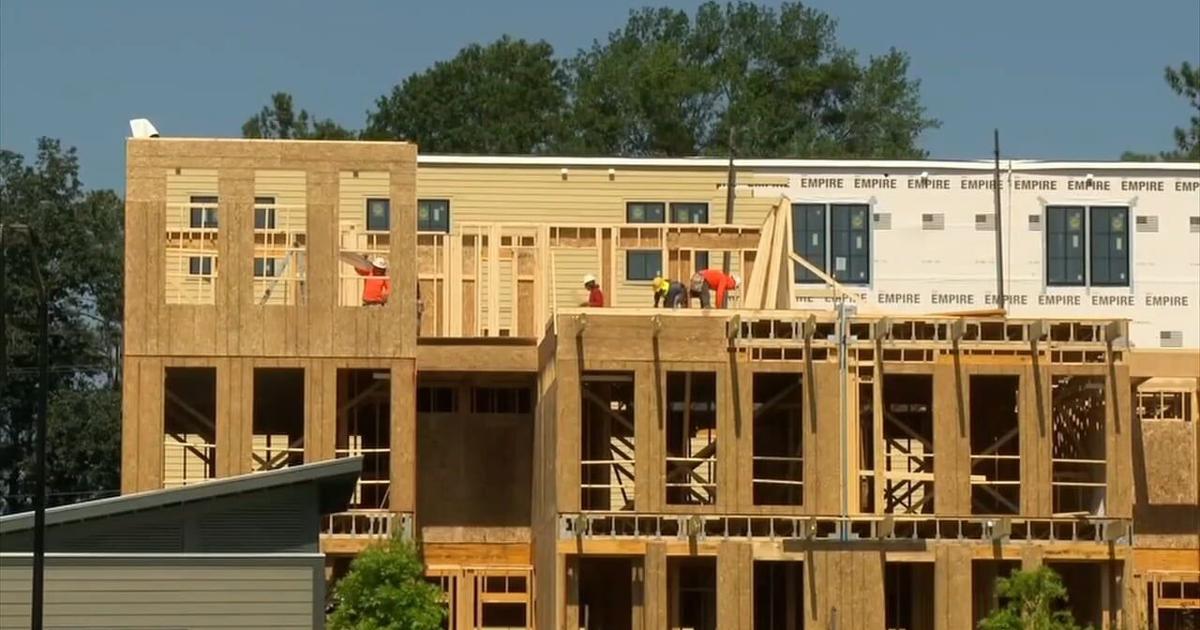
The study finds the Lehigh Valley will need approximately 51,000 additional housing units by 2050 — about 2,000 per year — to accommodate future households and maintain what planners consider a healthy housing market. Recent municipal approvals are approaching that pace, but the report cautions that approved projects can take years to actually become homes.
The demand comes as the region continues to grow. Planning Commission projections show the Lehigh Valley population increasing from about 688,000 people in 2022 to more than 816,000 by 2050 — an increase of roughly 128,000 residents. Employment is projected to grow even faster, adding nearly 80,000 jobs by 2050.
At the same time, housing prices have increasingly outpaced household incomes.
The study says a median-priced Lehigh Valley home cost approximately $307,000 in 2023, while the median household income was about $75,000. That means a typical home now costs more than four times annual household income. In 1980, the ratio was roughly two-to-one. If current trends continue, planners project housing could cost more than seven times median income by 2050.
Lehigh Valley Planning Commission Executive Director Becky Bradley says the shortage is in part a result of the region’s economic and population growth outpacing its housing production.
“In some ways, we are a victim of our own success,” Bradley said. “It’s not like there hasn’t been building. It’s just not fast enough.”
When asked whether the region can realistically build the roughly 2,000 homes per year called for in the study, Bradley answered simply:
“Yes.”
Doing that, however, will require cooperation among the Valley’s 62 municipalities and will not mean building everywhere.
The strategy recommends directing the most substantial housing growth toward communities that already have, or can efficiently expand, water, sewer and transportation infrastructure and that provide access to jobs, schools and everyday services.
The report identifies the urban core along Route 22 — including Allentown, Bethlehem, Easton, surrounding suburban municipalities and the region’s boroughs — as particularly well positioned to accommodate additional housing.
In rural areas, the report says farmland, open space and natural resources should remain priorities for preservation. It warns that low-density sprawl can increase traffic and infrastructure costs while consuming farmland and open space.
That balance is important to Heidelberg Township Zoning Officer Dawn Didre.
“We want to do it in a smart way, but still allow our residents to have that flexibility and to grow a little bit,” Didre said, “but in a smarter way than just putting a house on every piece of open land.”
The housing strategy points to construction and development costs, financing, infrastructure limitations, land-use regulations and the time required to move projects from approval to construction as barriers to increasing supply. It calls for coordinated action involving municipalities, counties, developers, nonprofits and other regional partners.
For Disario, however, the regional goals remain personal.
Asked whether she would move back to the Lehigh Valley if she could afford to, she did not hesitate.
“Absolutely. Yeah, for sure.”
Asked whether she believes that will ever happen, her answer was very different.
“No, because houses just keep going up.”