
Rising measles cases in Pennsylvania spark vaccination timing discussions
Pennsylvania health officials are discussing when kids should get vaccinated as cases continue to climb.
 LANCASTER COUNTY, Pa. —
Pennsylvania’s measles outbreak continues to grow, with 31 new cases reported on Wednesday, including 12 in Lancaster County, as health officials investigate a measles-related infant death and discuss vaccination timing amid rising cases.
Coroner investigates measles-positive newborn’s death
The Pennsylvania Department of Health announced that one of the two measles-associated deaths in the state is under investigation by the Lancaster County coroner’s office. The coroner stated their office is reviewing the death of a male newborn who tested positive for measles. An autopsy revealed the infant died last Thursday at home due to a ruptured spleen, and a PCR blood test confirmed evidence of the measles virus. The coroner emphasized that all cases of communicable diseases posing a public health threat must be reported to their office.
Health experts warn of unprecedented surge
“We’re seeing an unprecedented surge in measles cases here in Pennsylvania,” Dr. Andrew Lutzkanin, President of the Pennsylvania Association of Family Physicians, told WGAL. “When we compare the rate of measles that we’re seeing this year, it has vastly outpaced the rate last year and is set to break all records.”
Dr. Lutzkanin said his organization is urging people to get vaccinated as cases continue to climb. WGAL asked about when children are able to get vaccinated; Dr. Lutzkanin explained that the first dose of the MMR vaccine is traditionally given at 12 months. However, he said the first dose can be given earlier under special circumstances.
“In the face of a mounting spread of this disease, it would be something worth considering. I would encourage parents to have a conversation with their children’s doctor to see what’s going to be the best fit for them and their situation.”
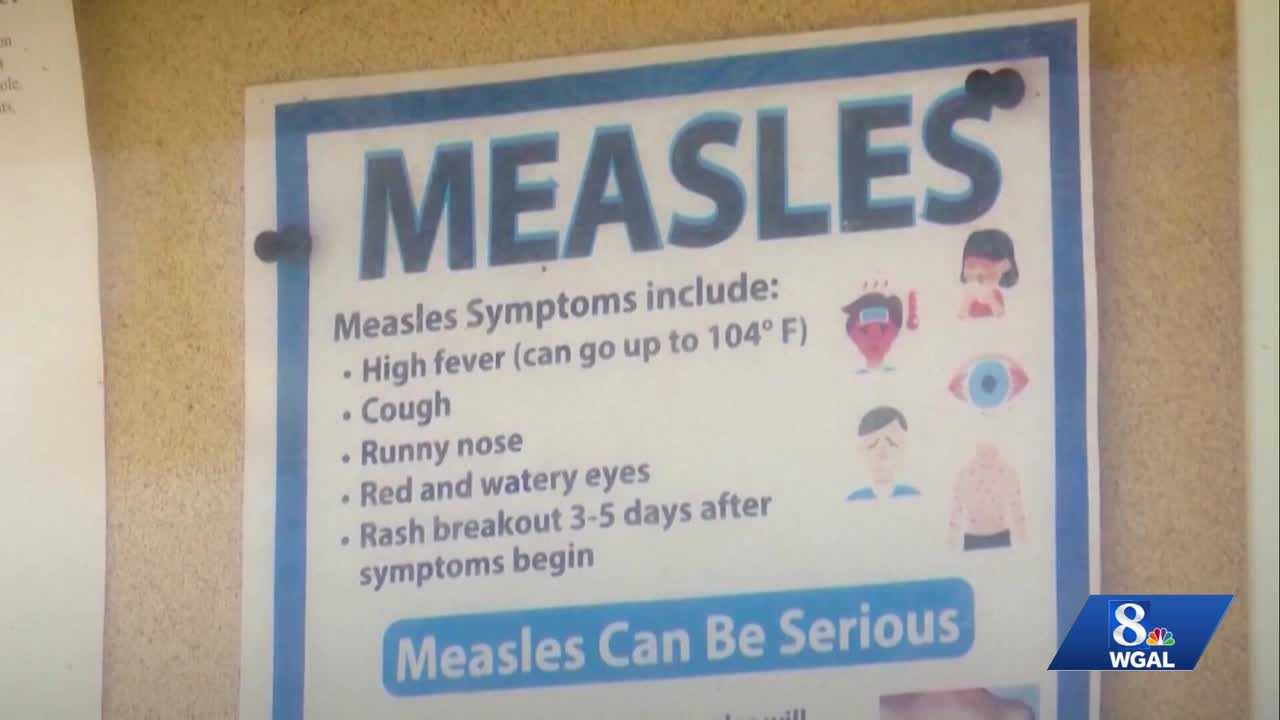 Pediatricians consider earlier MMR doses
Typically, the first dose of the MMR vaccine is administered between 12 and 15 months, with the second dose given between 4 and 6 years old. However, some pediatricians are recommending earlier vaccinations for both doses due to the rise in cases.
“Some of the pediatricians are recommend giving it sooner because of the rise in cases right now, just to make sure our little friends or pediatric patients are fully covered,” Clinical Pharmacist Meghan Dixon, who works with GIANT food stores, told WGAL.
Dixon added that babies can receive the second dose as early as 28 days after the first. She said families with children that are 2 or 3 years old could expect to get a call from their physician suggesting an earlier second dose.
While younger patients may experience mild side effects, such as fever, after the injection, both healthcare providers emphasized that there is no long-term risk associated with early vaccination.
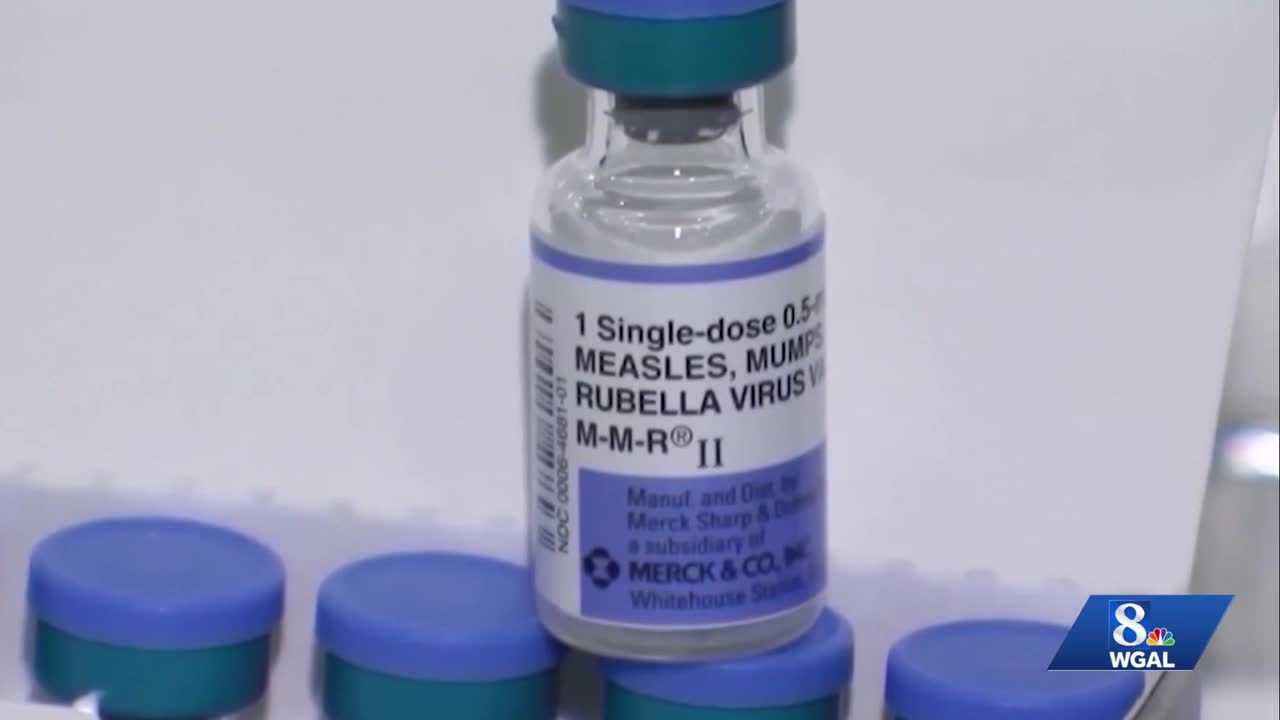 Two MMR doses provide strongest protection
“The MMR vaccine for most patients is lifelong protection with those two doses,” Dixon said. “For children, two doses are 97% effective against measles in particular. For adults who get one dose, it’s 93% effective.”
According to the CDC, one dose of the MMR vaccine is considered 93% effective for children, but Dixon noted that the series is not considered complete unless two doses are administered.
Dixon, a pharmacist with GIANT food stores, said their locations do not provide the vaccine to children under 8 years old. Dixon said they offer the MMR vaccine to anyone older than that at stores with pharmacies. Dixon said they are hopeful to get more people vaccinated to help protect younger populations who may not be fully vaccinated.
This content is imported from infogram. You may be able to find the same content in another format, or you may be able to find more information, at their web site.