
WILKES-BARRE, LUZERNE CO. (WOLF) — Tuesday, the Pennsylvania Department of Health confirmed two measles-associated deaths in the Commonwealth, both involving unvaccinated individuals.
The deaths are the first measles-associated fatalities reported in Pennsylvania in 35 years.
As concerns grow over measles cases in the region, Geisinger is sharing information on how residents can protect themselves, recognize the risks, and know what to do if they may have been exposed.
Measles is widely considered the most contagious disease. The respiratory virus spreads through respiratory droplets and secretions, with symptoms typically beginning with a fever, followed by a cough, runny nose, inflammation, and the characteristic rash.
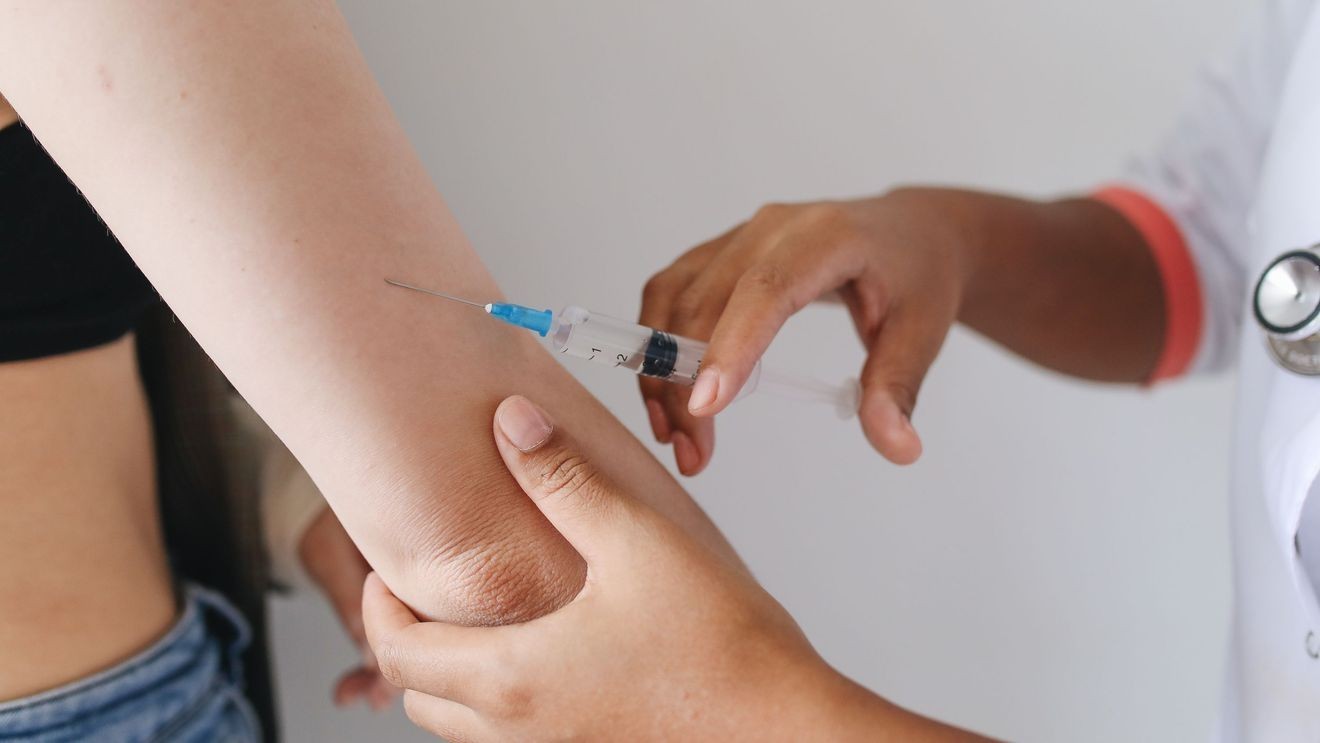
Geisinger is working with the Department of Health to educate communities about prevention, including the two-dose MMR vaccine. Director of Infectious Diseases at Geisinger, Dr. Stanley Martin, said the vaccine is safe and highly effective, while serious complications and death are more likely among those with underlying health conditions.
“Measles can go on to cause lots of other problems, including encephalitis, which is inflammation of the brain or spinal cord. It can cause pneumonia. And other bacterial infections as a result of its effects on the immune system, itself,” said Martin.
“Smallest children, those who are under the age of five. We also see it in people who may have problems with their immune system because of some underlying medical problem that they have. And we can see that in pregnant women as well,” said Martin.
Dr. Martin said measles does not require a booster shot, and not everyone can safely receive the MMR vaccine. He stresses that educating the public and maintaining high vaccination rates helps protect vulnerable people and prevent the virus from spreading.
“We don’t do booster shots for measles. There’s really no role for using the booster shots, as best we can tell. As long as you have had a two-shot series of the MMR vaccine, you are protected. Something like 97%, protected from this virus. And giving another shot later in life doesn’t necessarily seem to affect that, as best we can tell,” said Martin.
“But because this virus is so contagious, it can get through herd immunity very easily. And so, it is estimated that you need to have at least 95% of the population in order to maintain any degree of herd immunity,” said Martin.
Dr. Martin also shared that Geisinger is screening for measles and taking precautions to protect vulnerable patients. As students return to school, he encourages families and schools to stay informed and vaccinated to help prevent the virus from spreading.
“I don’t think we see an end to the cases just yet by any means. And I don’t think any of us would be surprised if they continue to spike upwards over the next couple of months. We shall see. We will continue to do all the efforts we can, to get people vaccinated and to help stymie the spread of the virus,” said Martin.
“We know that this vaccine is incredibly safe and effective. We’ve been using it since the 1960s. Millions of people have gotten the shot. We’ve tracked data over decades on its utilization and its value and its safety. And we know again that this is not a completely benign virus. And why would we put ourselves, our family, our loved ones, our communities through this, and we can prevent it so easily,” said Martin.
Health officials encourage people to check their vaccination records. If you’re unsure of your status, contact your doctor’s office or ask about a blood test to determine whether you have immunity.