
From Delco to Chesco and Montco to Bucks, what about life in Philly’s suburbs do you want WHYY News to cover? Let us know!
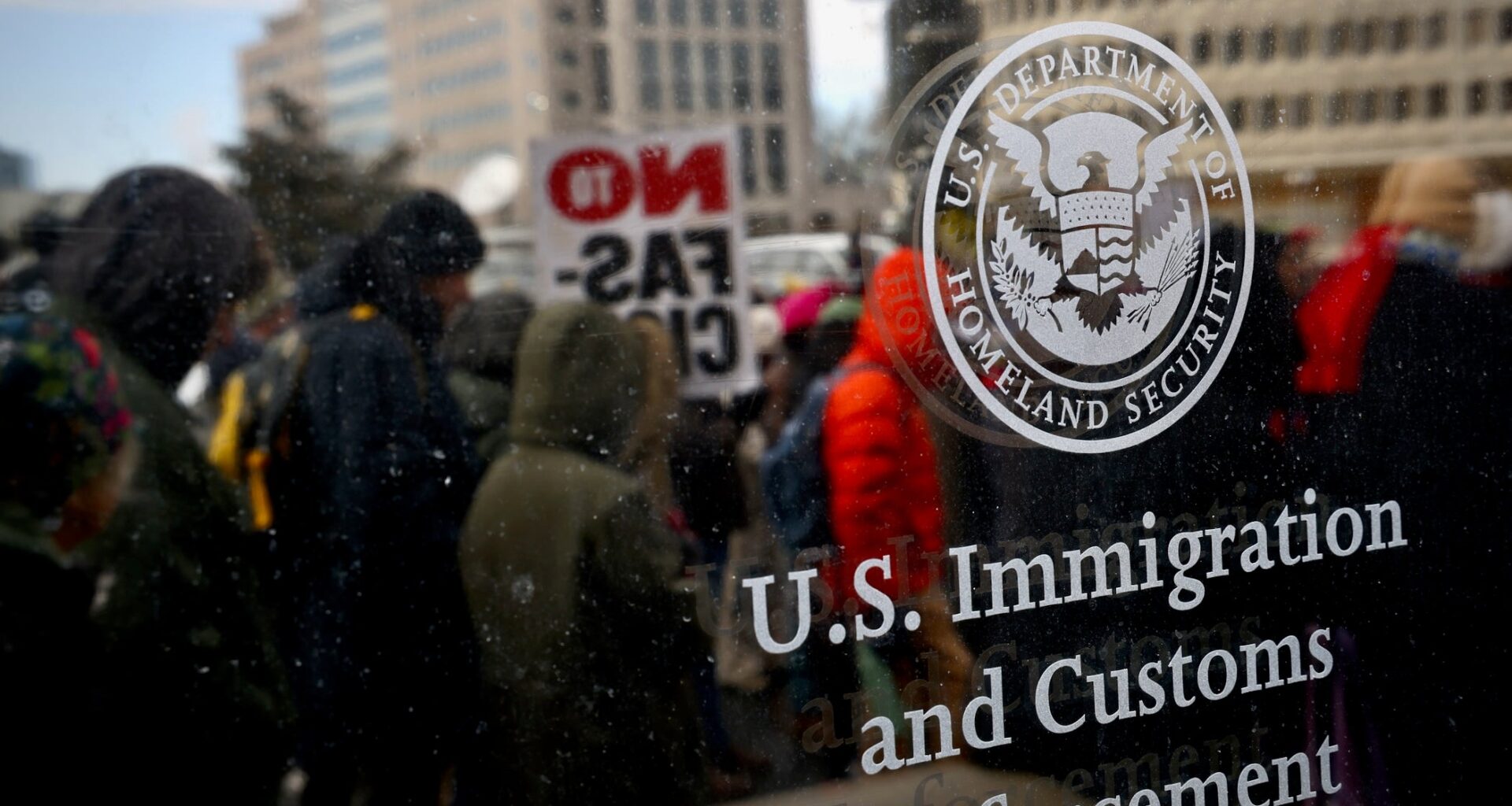
Upper Darby will introduce legislation Wednesday to restrict collaboration and data-sharing with U.S. Immigration and Customs Enforcement in a township where nearly a quarter of the population is foreign-born.
In January, Upper Darby resident Parady La died while in ICE custody after he was detained at the Philadelphia Federal Detention Center. La’s death, along with the estimated hundreds of ICE arrests within the township this year, spurred Council to codify protections for its immigrant residents, said Councilmember At-Large Kyle McIntyre, one of the lead sponsors of the bill.
“For us, federal law and immigration enforcement is a local issue,” he said. “The goal of this ordinance is not to interfere with federal authority, but it is to establish clear rules governing Upper Darby’s own government and resources.”
The legislation is “one of the most advanced” ICE protection bills outside of Philadelphia, McIntyre said, and could become a “model ordinance.”
What’s new in Upper Darby’s ICE ordinance?
Much of the bill is based on Philadelphia’s “ICE Out” legislation, passed in April, with some exceptions.
For example, the township is requesting, not requiring, federal agents to identify themselves and refrain from wearing face masks. The Philadelphia ordinance banning face masks for law enforcement was challenged by the Trump administration and is currently paused after a judge ruled it unlawful in July.
The township is requiring Upper Darby Police to identify themselves, with some exceptions.
“We can’t control what the federal agents do, but what we can do is ensure that our officers are clearly visible and identifiable at all times,” McIntyre said. “Meaning, if anybody tries to impersonate an Upper Derby police officer, it’ll be very easy for our community to know that they’re lying, and it also limits voluntary township assistance to any federal immigration agents who refuse to identify themselves, except for obviously where cooperation is legally required.”
The police will also document ICE activity in the township, per the provision, and share that record with the public.
“A lot of times, this work has been left up to the community and community organizers, which has put them at risk, has endangered their lives,” McIntyre said. “We’ve seen it in Minneapolis twice, and we’ve seen it across this country. But now, it is a public safety issue for us.”