
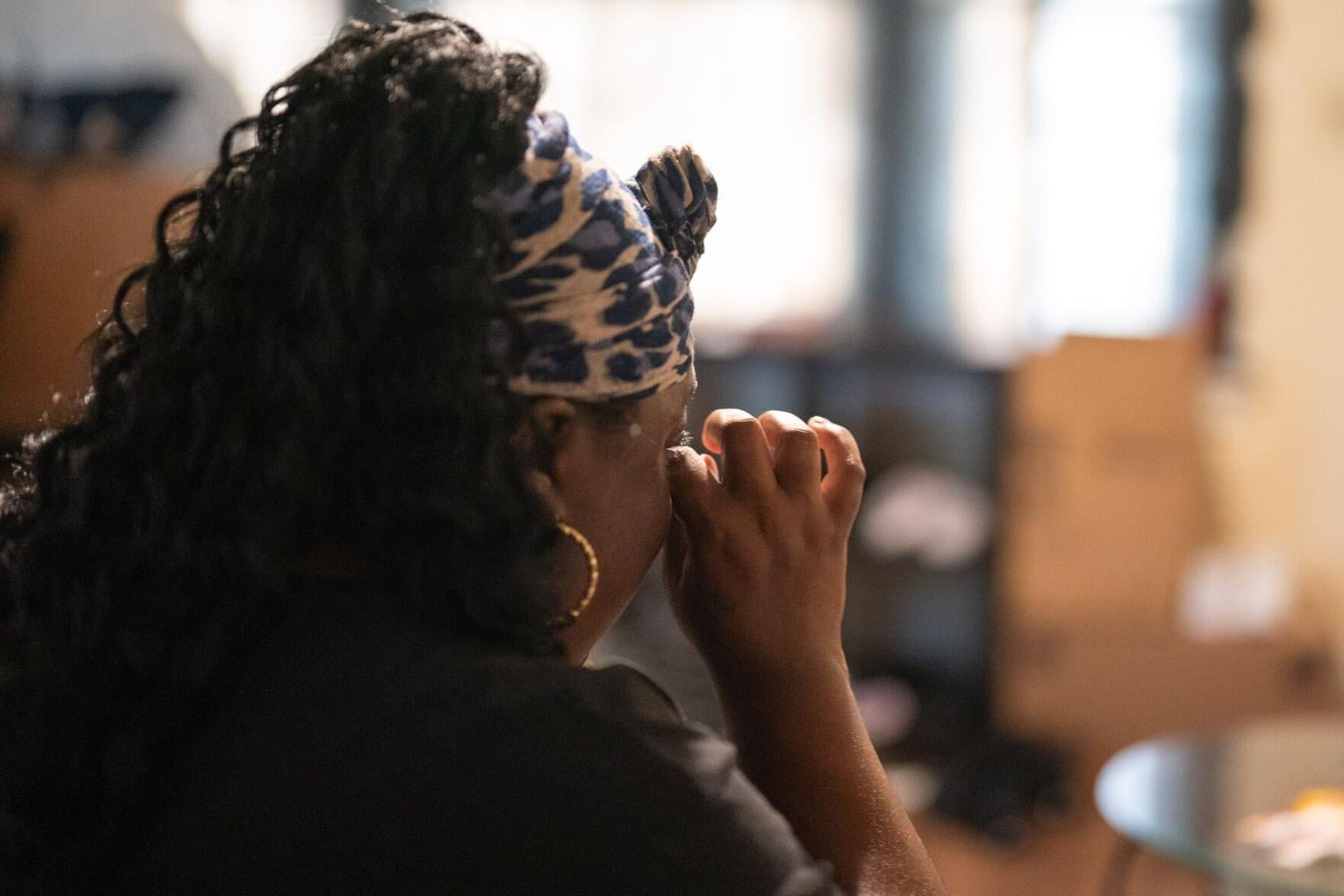
Tuesday’s follow-up story showed what that policy means for families. A domestic violence survivor and mother described moving with her children through motels in Cheektowaga and Niagara Falls as an “absolute nightmare.” There was broken glass in one common area. At another motel, electrical failures left their room “brutally hot.” Garbage overflowed around a filthy communal microwave as flies gathered nearby.
Even when hotel conditions are acceptable, they lack something families in crisis desperately need: support.
Kexin Ma, executive director of the Homeless Alliance of Western New York, said families housed in hotels are often isolated from the support that could help them move on.

As Erie County’s homelessness crisis grows, hotels have become makeshift shelters – shifting the burden into suburban communities and raising concerns for residents and homeless families alike.
In his Pulitzer Prize-winning book “There Is No Place for Us: Working and Homeless in America,” Brian Goldstone documents much the same phenomenon in Atlanta: Working families priced out of conventional rentals are concentrated in extended-stay hotels that have become an expensive substitute for housing.
Goldstone describes such families as part of the “hidden homeless.” In describing the cruel economics that can keep them there, he noted that making hotel rooms habitable can eat up a family’s income, making it impossible to save for a real apartment.
In Erie County, even though the county is paying for emergency hotel placements, the trap is recognizable. People are pushed out of the rental market; hotels become the fallback; and without enough affordable housing to move into, families have nowhere to go next.
Proposals for affordable housing and homeless shelters routinely encounter opposition from people who may acknowledge the need but question whether a particular project belongs in their neighborhood.