
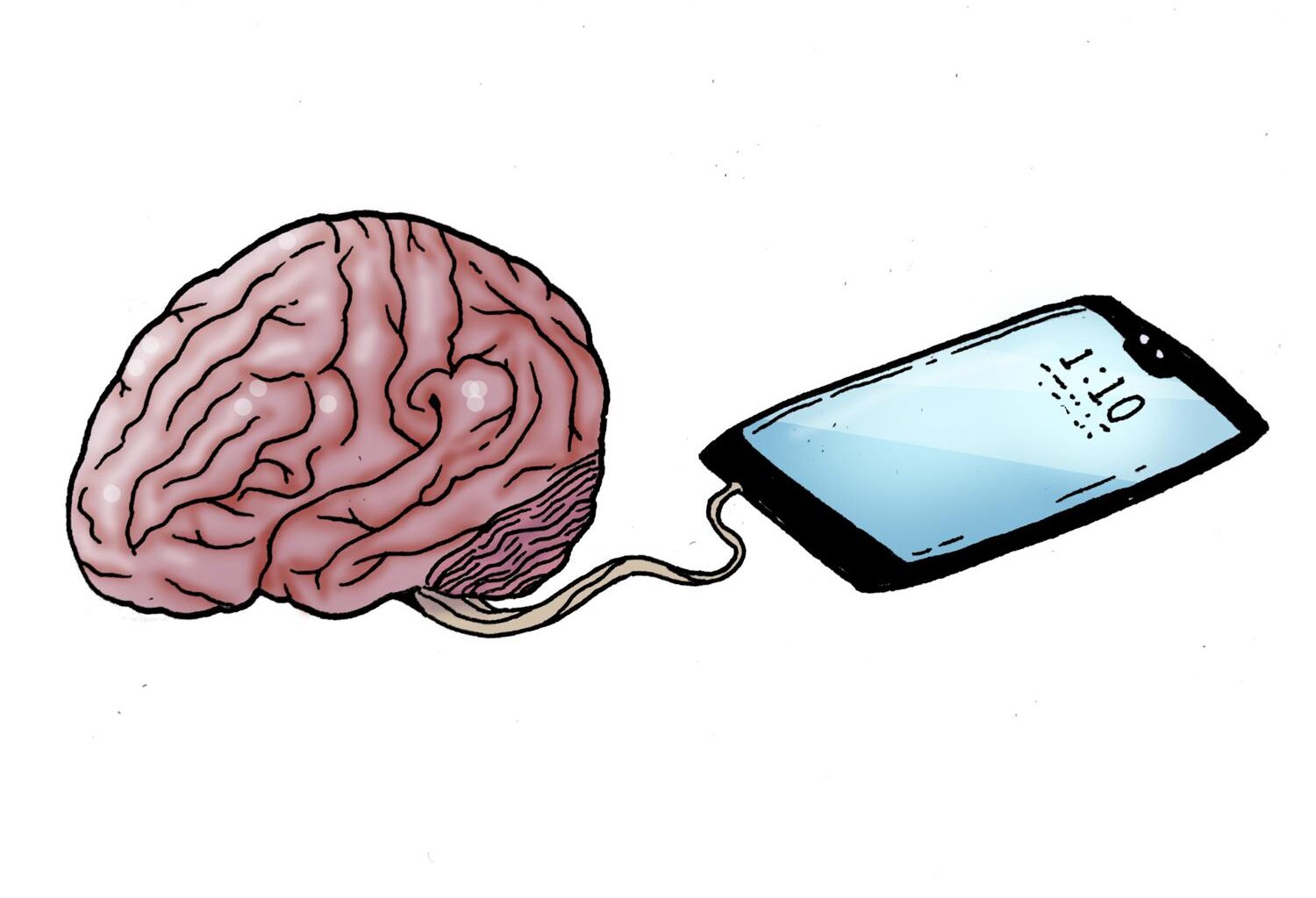
Social media giant Meta will pay billions of dollars to states and make major changes to its platforms to resolve a lawsuit about social media’s effect on children.
The $18 billion Meta will pay as part of the Aug. 26 landmark settlement follows a growing movement to hold technology companies accountable for mental health issues caused by their products. Some researchers are questioning if the changes will make a meaningful difference for social media users.
Meta, the parent company of Facebook and Instagram, will pay the settlement money to state governments over a span of 10 years. Pennsylvania’s attorney general Dave Sunday announced soon after the settlement that the state is expected to receive up to $729 million. Along with the money, Meta must implement stronger safety features for users under age 13, like two-hour daily time limits, nighttime blocks, mandatory pauses while scrolling, a pause on push notifications during school hours and “age appropriate” content controls.
The settlement follows a trial initiated by over 3,000 lawsuits against Meta for deliberately designing platform features to get children and adolescents addicted to social media, as well as misleading the public about risks.
Candice Biernesser, an assistant professor of psychiatry at Pitt and licensed social worker, said that mental health concerns around social media are more complicated than what the new restrictions address.
The American Psychological Association reported that U.S. teens spend an average of 4.8 hours per day on popular social media apps. However, Biernesser noted psychologists have found that how social media is used matters more than how much time is spent on the apps.
“What we do [on social media], what we see, tends to really influence mental health,” Biernesser said.
Biernesser believes that one of the biggest threats to mental health on social media is easy access and exposure to violent content, and that Meta did not adequately address those concerns in the settlement.
“Anytime that there’s a school shooting, you see videos popping up everywhere, and a lot of other kinds of harmful or explicit content that kids really shouldn’t be seeing,” Biernesser said.
Biernesser believes Meta’s approach to the new safety features are too broad, and that they do not accurately address the root of social media addiction because social media experiences differ between individuals. Instead, she believes that users should work to curate a social media life that provides positive experiences.
“When I think about that settlement, it’s specifically not saying that social media companies are responsible for all aspects of mental health, but holding them responsible for the way that their platforms are designed,” Biernesser said.
She believes tech companies need to change their mindset to design for meaningful engagement rather than profit.
“There’s been an activating momentum from all these different lawsuits that are coming from the states,” Biernesser said. “I hope it moves in a positive [direction]. I’m also hopeful that we don’t overcorrect in a way.”
Jessica Ghilani, an associate professor of communication at Pitt Greensburg who researches how social media platforms and algorithms are designed to cultivate addiction, said she believes social media companies like Meta prioritize collecting data and pleasing investors over positive experiences.
As for the settlement, Ghilani believes the changes do not address pressing concerns about data privacy for underage users. She is generally concerned about lobbying efforts by tech companies to push for fewer restrictions on their platforms.
“The reality is that our tech [leaders] are too cozy with our government, and I don’t think that we will see significant regulation of our platforms under the current political environment,” Ghilani said.
She called the stipulations of the settlement “bare minimum protections” for adolescents, adding that she believes the root of the problem lies in federal data protection laws. Ghilani looks towards countries like Australia, which have implemented a national framework for data protection. The United States has no federal data protection law.
“If they’re not willing to be good stewards of our data — because we do not have federal data privacy protections in the United States — then it’s hard for me to take anything that they propose seriously, because they know that those are the things that matter most — our data, and the algorithm,” Ghilani said.
Some students testified to the harmful aspects of social media.
Delaney Arias, a senior English literature student, did not start using social media until she began high school and believes that this may have helped her avoid dangerous situations online. However, Arias still experiences negative consequences to her mental health through comparing herself to others on platforms like Instagram.
“You see someone gorgeous, or they have a full time job and a great life,” Arias said. “You also can’t avoid the news — you see wars, genocide, AI, rights being taken away.”
Sophia Jacob, a sophomore pre-pharmacy student, agrees that it’s easy to compare herself to friends when they post on social media regularly.
“It’s probably affected [my mental health] in more subtle ways than I notice,” Jacob said. “I think it’s just more time-consuming with more brain-rotting content.”
Julia Lazar, a sophomore history student, started using social media in middle school. While it hasn’t affected her mental health in extreme ways, she said that it frequently distracts her from schoolwork.
“It’s hard to focus, and it’s tempting to just go on my phone and do a five-minute TikTok scroll that turns into a 30-minute scroll,” Lazar said.
While Ghilani is not optimistic that the stipulations will create long-term meaningful change, she believes that attention to social media addiction can encourage political action.
“I believe that a public interest internet is possible,” Ghilan said. “We just have to have enough of a ground swell for everyday people to demand that these types of products work for everyone.”