
The CEO working to redefine public transit in Pittsburgh
 PITTSBURGH —
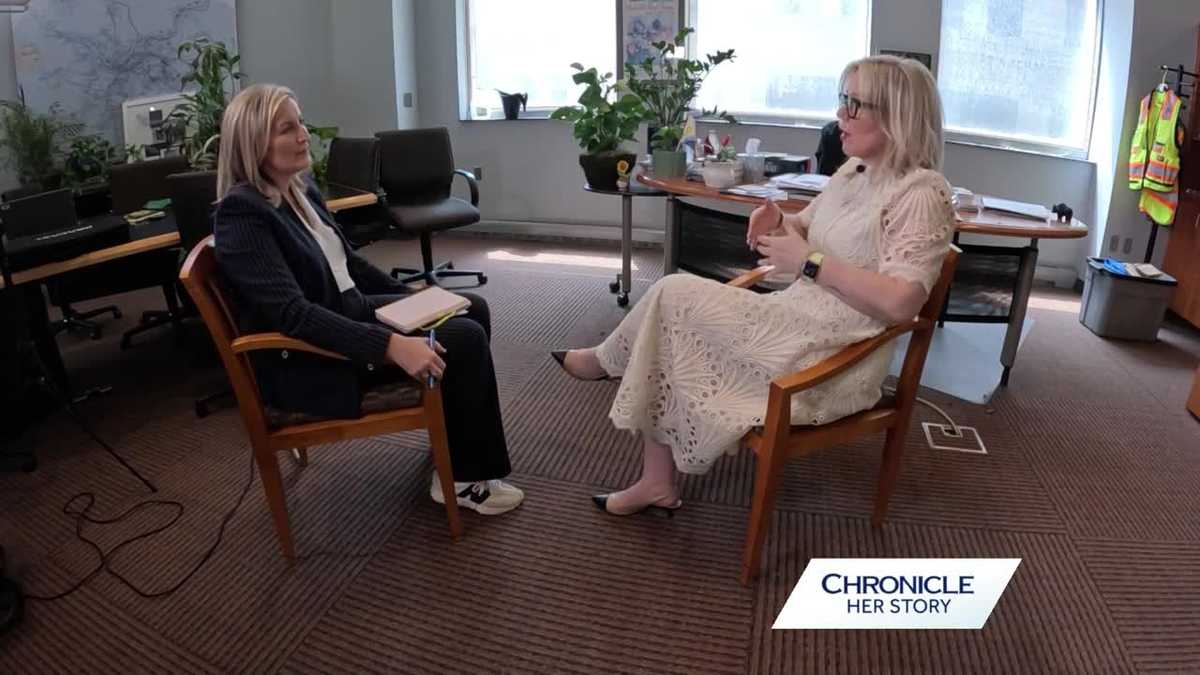
Katharine Kellerman, CEO of Pittsburgh Regional Transit shared insights into her career journey, the challenges of public transit, and her commitment to serving the Pittsburgh community.
“I’m really happy these days,” Kellerman said. “I am Katharine Kellerman, and I am the CEO here at Pittsburgh Regional Transit.”
Kellerman spoke with Pittsburgh’s Action News 4 on the importance of both riders and employees in her role. “This is not an easy job. You get to talk to 4,000 new people a day navigating a 30,000-pound block through traffic. I mean, that is hard. And our job is customer service, safety and customer service. And we get you from A to B, but our operators are marriage counselors, crisis intervention, wave finders. They bring their best selves to the table, and we need to make that possible,” she said. “So what kind of employee are we? Are we able to be or can you build a life working here?”
Kellerman’s career in transit began in San Angelo, Texas, a small city with a population of 90,000.
“Five buses and or maybe six buses. My bus route very small. I was like, oh my gosh, I would love to do that because I wanted to get into public service. I wanted to make sure that my work was making my community the place that I wanted it to be,” she said.
Her early experiences taught her the importance of serving people with disabilities, including those with less visible challenges.
“And the forms that we used were, you know, standard from ADA handbooks. And it was hard for folks to understand. So I got a chance to overhaul that,” she said. “In Dallas, spent a lot of my day chasing folks and trying to get service out there was useful for them. In Baltimore, there were so many folks who were close in—who were living lives where they never had a car, and it would never occur to them to need a car. That was trying to match up that service to demand.”
In Baltimore, she faced significant challenges.
“And it was specifically brought in because a previous administration in the state was making a lot of changes without talking to folks. So my job was to go out and listen,” she said.
When Kellerman arrived in Pittsburgh as CEO, she encountered strong opinions about public transit. She recalled a contentious community meeting at the Rankin Community Center.
“You’ve got a history here. And folks have long memories in Pittsburgh. I mean, we’re sitting in the old Gimbels and we’re PRT now. Previously, Port Authority folks tell people like, hey, you work at Pat bus. People remember,” she said.
Listening to the community has been a key part of her approach.
“I’d say when I started, there were really strong feelings about the bus rapid transit that was getting planned, and it was absolutely clear that we needed to, not reconvene. I agree, but I won’t say that. But we needed to be honest that we were hearing a lot from folks who didn’t like what they were saying and then start the process essentially over and how we should design it,” she said.
Kellerman is now focused on the impact of PRT’s new University Line project and working with the state legislature to secure long-term funding for the transit system. Despite the challenges, she is committed to staying in Pittsburgh.
“So I don’t want to move again. This is my 14th town. The 14th? Yeah. The address on my cards. For holidays. It’s my 33rd address. It’s been a lot of moving. And to build the place where you want your kids to think they could stay and flourish is a different conversation than other towns,” she said.
When asked about her hopes for Pittsburghers who don’t typically use public transit, Kellerman talked about the social and community benefits of riding PRT.
“There is, maybe Kurt Vonnegut went through this big essay. You can do so much better than anything that I would ever say. We talked about running an errand in New York. Yeah. He’s like, it’s not that I’m running the errand. I don’t see. I’m speaking to my friend. I’m walking by, pet the dog. I talk to this person, and it’s this whole sort of patois and what your day is like, and it does social connections and interactions,” she said. “And when you look at data, for instance, from New York City and you look at the health of New Yorkers, a big chunk of this is they have these social connections, and you get that every single time you come to PRT. So now, yes, every vehicle has Wi-Fi. You can charge your phone, you can put on your earbuds and go away. But you can see all of your friends and your neighbors. You can see these small businesses, and you don’t have to worry about where to park. You don’t have to worry about how much gas costs. We will do all of this for you.”