
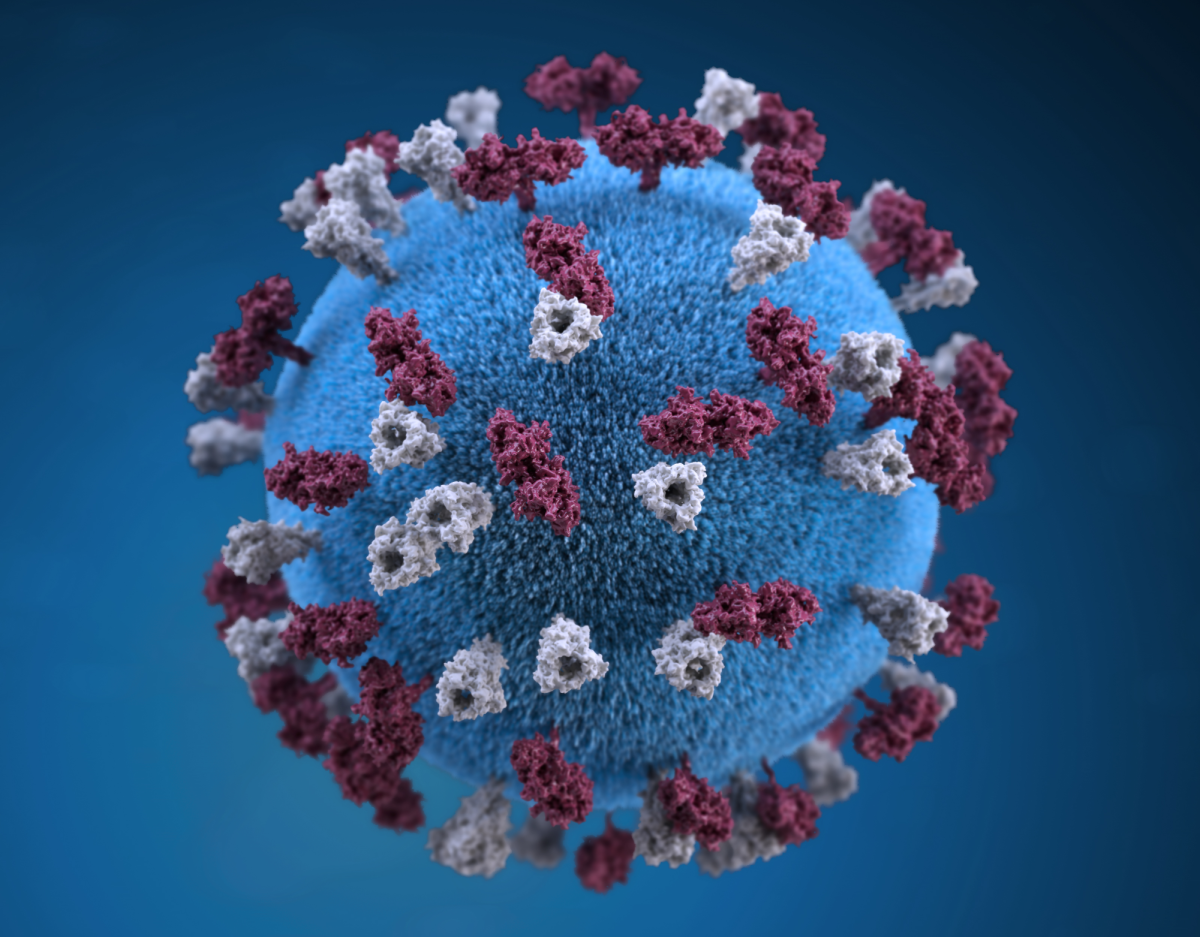
As measles cases climb past 600 in Pennsylvania, Pitt health experts are urging students to get vaccinated and review their immunization records to help curb the spread of the disease.
As of September 2026, the U.S. Centers for Disease Control and Prevention reported more than 3,000 confirmed measles cases nationwide, an increase of more than 30% compared to confirmed measles cases in 2025. The Pennsylvania Department of Health confirmed 624 cumulative measles cases across the state and two measles-related deaths, although the precise cause of those deaths is still under debate.
Measles is a highly contagious airborne disease that initially infects the respiratory tract before spreading through the body. Symptoms include fever, cough, runny nose, rashes and red or watery eyes.
Richard Zimmerman, a professor of family medicine who studies infectious disease and vaccine modeling and policies, said measles is particularly infectious because it can remain contagious in the air for almost two hours, in addition to spreading through typical face-to-face contact and contaminated surfaces.
“Outbreaks started to occur because people chose not to vaccinate in the face of a highly contagious disease,” Zimmerman said. “With a highly susceptible population, the highly infectious disease becomes even more contagious.”
Zimmerman said vaccines introduce a weakened version of the virus into the body, prompting it to produce antibodies and immune cells that fight against the virus in future infections.
“Vaccines are like a flight simulator,” Zimmerman said. “You don’t want untrained pilots going into a thunderstorm, so you train them in simulators so that they are ready for such accidents. We’re training the immune system with vaccines, so that they are ready to fight invaders when they show up.”
The MMR vaccine is particularly effective, Zimmerman said, because it provides both individual and community immunity. Individual immunity refers to a person’s ability to fight off infection, while community immunity refers to reduced transmission of virus overall, which lowers the spread of disease across a population.
“With the flu vaccine, you are vaccinated primarily for yourself,” Zimmerman said. “With diseases like measles, you’re vaccinated to protect yourself, but you’re also vaccinated for those around you, contributing to community immunity.”
Zimmerman said growing vaccine hesitancy has led to declining vaccination rates and increasing exemption rates. He explained that because measles is highly contagious, a population vaccination rate of about 94% is needed to maintain effective community immunity.
“We are not at the vaccination rate we need. Many places drop low, closer to 90%, and the exemption rate is going up,” Zimmerman said. “The low vaccination rates have led to more measles cases.”
Zimmerman said vaccinations also help protect people who may not respond to vaccines or who are severely immunosuppressed — meaning they have a reduced ability to fight infections — because of cancer treatments or genetic conditions.
“Think about your part in [a] campus, family or work community,” Zimmerman said. “You don’t want someone else getting you sick. Likewise, part of that community responsibility is not getting others sick, as much as you can.”
University spokesperson Meredith Herndon said Pitt Student Health Services is monitoring measles activity in Pennsylvania and following public health guidance from the state health department and the CDC. If a case is confirmed on campus, Student Health will work with public health authorities.
“We encourage students to know their vaccination status and review their immunization records,” Herndon said. “Students who are unsure whether they have received the recommended vaccinations can contact Student Health Services or their healthcare provider for guidance.”
Herndon said Pitt’s existing immunization requirements — which includes the measles, mumps and rubella vaccine — remain in place for students. Pitt grants exemptions based on religious, moral or ethical grounds.
“Vaccines are an effective way to protect against infection and disease,” Herndon said. “This is particularly important for diseases such as measles, which is highly contagious and can spread quickly among people who are not immune.”