
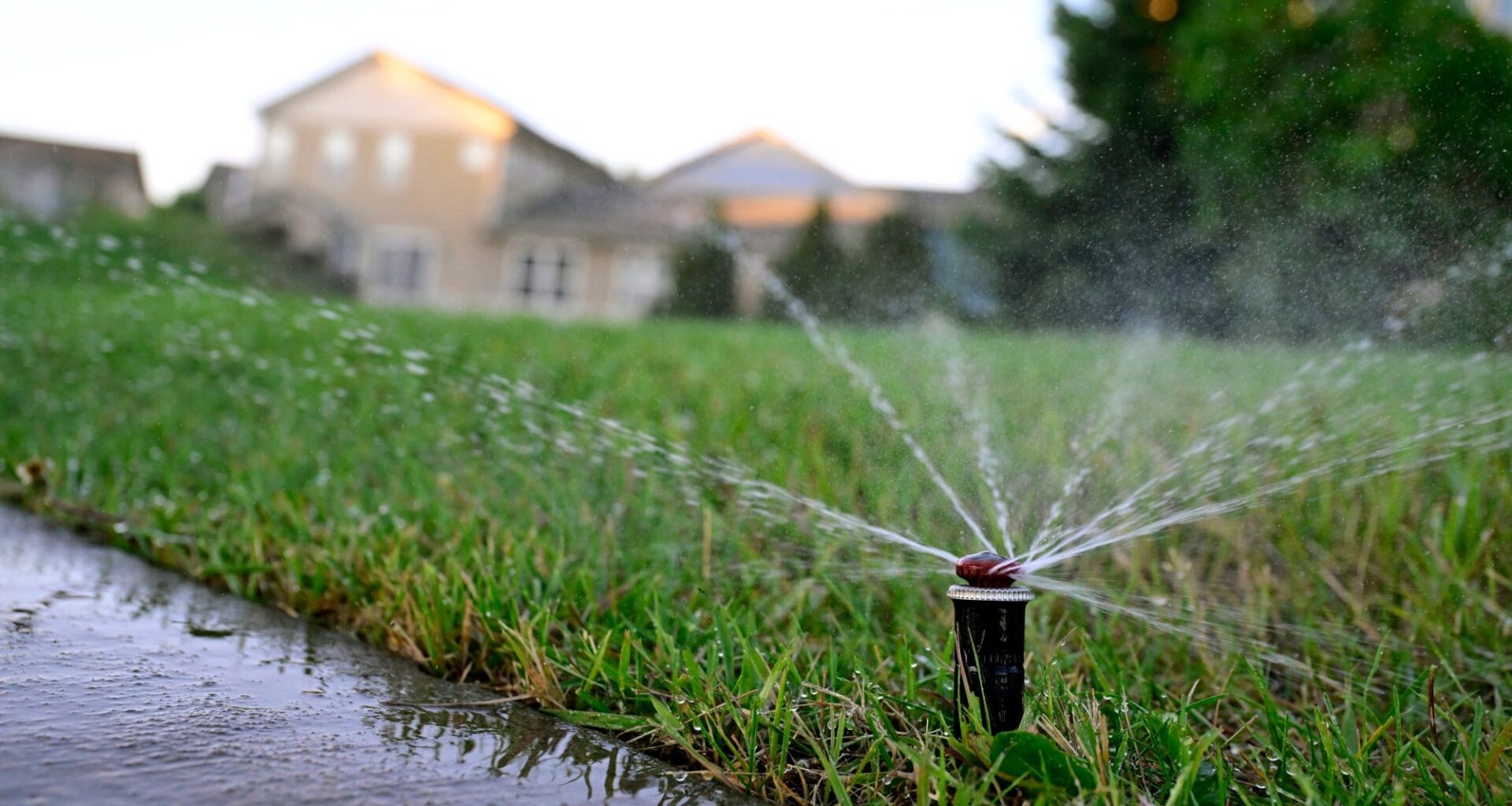
Millions of gallons of water have been saved across Lafayette, Louisville and Erie as officials tout their community efforts to curb usage.
But officials say they still aren’t in the clear, with about 90% of the state still under drought conditions. Much of Boulder County remains in “extreme” drought as of early September, according to the U.S. Drought Monitor.
Data from a NOAA weather station in Boulder has recorded about 8.7 inches of precipitation so far this year. At the same time last year, the station had already recorded 15 inches of precipitation in Boulder.
Lafayette enacted its Stage 1 Drought Response in April, asking the community to limit outdoor watering to two days per week, and remains at that level.
From April 10 through the end of August, the city saw around a 13% reduction in water use, or about 111 million gallons less than the projected usage for that time of year, according to Cari Bischoff, Lafayette’s water resources manager.
Lafayette’s reservoir storage – held in the Goose Haven Complex and Baseline Reservoir – is currently about 80% full, and Bischoff said the Lafayette community and city staff have done “a great job responding to the call to conserve.”
Still, the drought is “far from over,” Bischoff added, and continued water-efficient practices and conservation efforts are “necessary to help secure Lafayette’s supply” as the city heads into a new water year, the 12-month period from Oct.1 through Sept. 30.
Lafayette will likely remain at Stage 1 through “at least the end of the water year,” she said.
Neighboring Louisville also continues enforcing its own voluntary water restrictions, which city officials announced in May.
Louisville’s average July usage is about 194 million gallons, according to city spokesperson Grace Johnson. In past dry years, usage was higher than the average, at roughly 208 million gallons. This July, 183 million gallons were used, 6% less than the average and 12% less than the “dry-year” average.
“We have seen good response from the community to voluntary restrictions,” Johnson said. “We’re very grateful for everything our community has done this year to save water.”
Louisville officials will encourage the community to stop routine lawn watering and turn off irrigation systems by Oct. 1, after Denver recently mandated the same measure. It won’t be a mandate in Louisville, but will be “highly encouraged,” Johnson said in an email.
“With drought conditions continuing, we’re keeping a close eye on our water supply and encouraging people to limit water use as much as possible,” she said.
In Erie, Stage 2 water restrictions asking residents and HOAs to voluntarily water only two days per week helped save about 54 million gallons from April through June.
“Our supplies are good; our residents have responded well to the voluntary restrictions,” Gabi Rae, a town spokesperson, said in an email.
Erie’s peak demand day this year saw the community use about 11.5 million gallons of water, around 1 million gallons less than the peak day in 2024, which “was also a very hot and dry summer,” Rae said.
“Factoring in all the houses that were built in the last two years makes this reduction even more impressive in the worst drought year on record,” Rae added.
Some of the lower water demand in Erie could come from the town’s Turf Replacement Rebate program, which Rae said has had a “hugely successful year.” The town has had 160 participants involved in some stage of the program with 87 completed projects and more than 92,000 square feet of turf grass already replaced this year.
Yet Erie remains in Stage 2 of its drought response, and Rae said that isn’t likely to change as the end of summer approaches.