
BETHLEHEM, Pa. — Drivers traveling through the city are getting a preview of what could become a familiar sight over the next several years: construction equipment, lane restrictions and major projects stacked on top of one another.
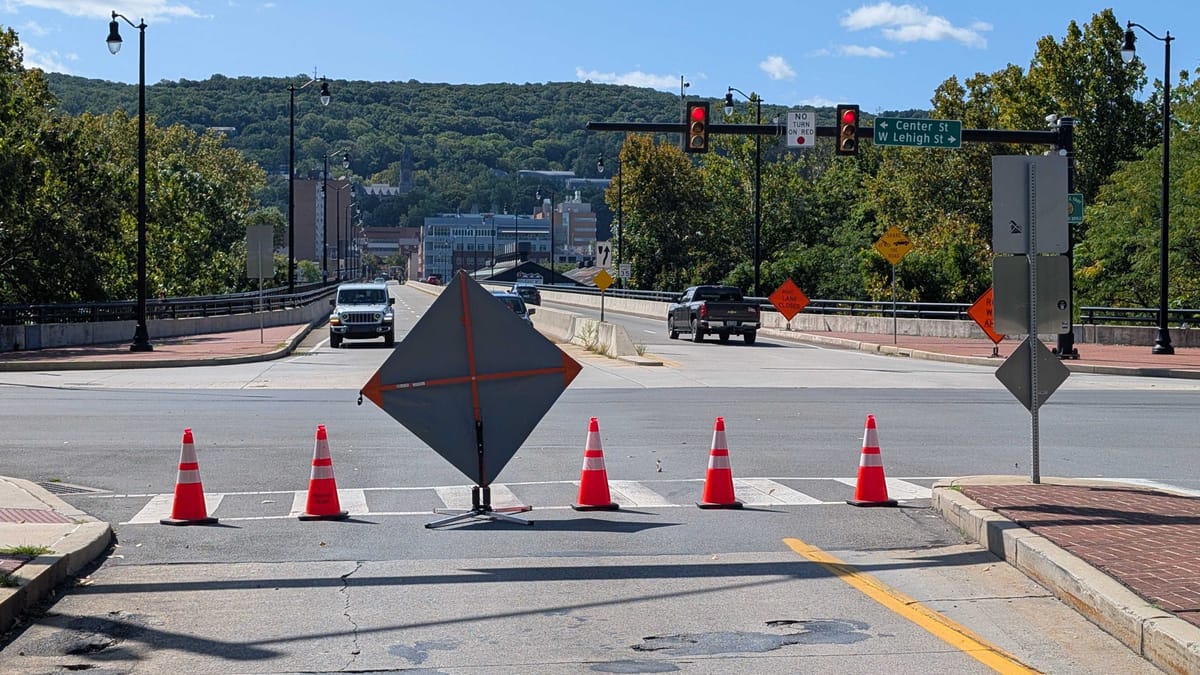
A Route 378 resurfacing project already is underway, closures on the Fahy Bridge began this week and the state Department of Transportation expects construction on the much larger Hill-to-Hill Bridge rehabilitation to potentially begin later this year.
The projects will not all happen at the same time, and city and state officials say they are coordinating schedules to limit disruptions. But the combined work means road construction will remain a fact of life around Bethlehem through at least the end of the decade.
The immediate projects have different schedules. PennDOT is restricting Route 378 lanes Sunday through Thursday nights from 7 p.m. to 6 a.m. as part of a $12.9 million resurfacing project that will continue into 2027.
The Fahy Bridge, meanwhile, will continue to see part of its right southbound lane closed during daytime hours for the next few weeks while a contractor works on the Riverport building.
The two projects should not conflict because they are scheduled at different times, said Ryan Knause, Bethlehem’s traffic superintendent.
The Hill-to-Hill project will bring the biggest changes. PennDOT plans to open bids later this fall, with construction expected to begin in late 2026. The rehabilitation will include work on the bridge, ramps and intersections on the South Bethlehem side.
PennDOT has not finalized its traffic plan, but the agency said it intends to maintain four lanes during weekday peak periods as much as possible and schedule most lane restrictions during off-peak or overnight hours.
“We are aware of the traffic volumes and concerns with the bridge, so our goal is to minimize major traffic impacts during construction,” said Sean Brown, PennDOT’s district press officer.
“Our goal is to minimize major traffic impacts during construction.” – Sean Brown, PennDOTKeeping businesses informed
The city says communication will be critical as construction stretches across multiple years.
Sean Ziller, deputy director of economic development for Bethlehem, said the city works with groups including the SouthSide Arts District, Northside Alive and the Chamber of Commerce/Downtown Bethlehem Association to reach businesses and property owners.
The city also has used door-to-door outreach during major projects, including UGI work on East 3rd Street last year, to provide information about traffic, parking and alternative routes.
“Communication is key,” Ziller said.
The city expects to use a similar approach for the Hill-to-Hill project, particularly during phases that create more concentrated traffic impacts.
Don’t forget the people walking
CAT, or the Coalition for Appropriate Transportation, wants officials to consider more than how construction affects drivers.
Scott Slingerland, CAT’s executive director, said the previous Fahy Bridge rehabilitation showed that narrowing the bridge from four lanes to two did not create the traffic problems some might expect.
“Traffic wasn’t unreasonably backed up,” Slingerland said. He said drivers were calmer because they were not racing to change lanes, and the narrower configuration arguably made the bridge safer for cyclists.
The Hill-to-Hill project presents a bigger challenge because of its higher traffic volume.
CAT has urged Bethlehem and PennDOT to preserve sidewalks on both sides of the bridge and widen them from 6 feet to 10 feet to better accommodate pedestrians, wheelchair users and bicyclists.
The group also wants better crosswalk timing at the southern end of the bridge and stronger pedestrian connections to the South Bethlehem Greenway.
Slingerland said the area represents Bethlehem’s biggest crash corridor and urged officials to use the project to reduce vehicle speeds and noise.
CAT has weighed in with both the city and PennDOT, he said.
“I just hope that PennDOT will prioritize pedestrians, because shouldn’t everyone be able to safely cross the street in a proper crosswalk?”
For Bethlehem, the construction will come in stages, but the disruption will last much longer than any single project.
Route 378 work is scheduled to continue into 2027, while the Hill-to-Hill rehabilitation will add years of construction to the same corridor, with an expected end date of 2030.
The challenge for the city and PennDOT will be keeping traffic, businesses and people moving and informed as that work unfolds.