
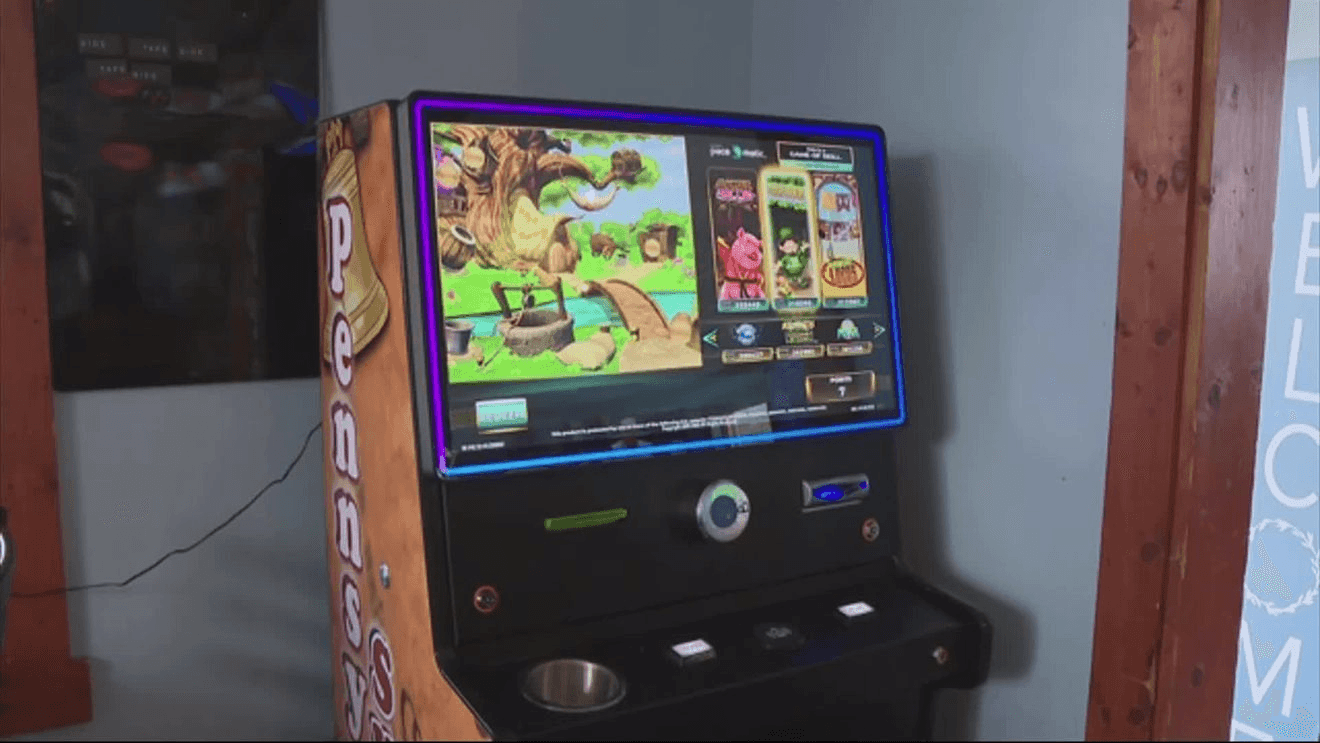
PENNSYLVANIA (WJAC) — With an Oct. 13 deadline looming, Pennsylvania lawmakers are running out of time to regulate Skill Games after the Pennsylvania Supreme Court ruled over the summer that the machines are slot machines and must be governed by state rules to remain legal.
Representative Dallas Kephart, a Republican who serves on the House Gaming Oversight Committee, said he has seen no movement on legislation even as the state moves deeper into the timeframe set by the court.
“I’m starting to get quite worried that the legislature is not gonna meet its deadline,” Kephart said. “I’m not in control of it, but you know as a member of that committee you would think it would come through that committee first and it just hasn’t.”
Lawmakers say several key issues still need to be resolved, including how much skill games should be taxed, who should be allowed to have them, and how the state should spend the additional revenue generated.
Senator Wayne Langerholc, a Republican who represents the 35th District, said he is confident there will be discussions about the issue in the fall session, but it won’t be easy to come to an agreement.
“This is definitely going to be a difficult issue when you have 203 members in the house, you have 15 members in the Senate. Each one of them I’m sure has their own opinion on how this needs to be regulated or dealt with,” Langerholc said.
Langerholc also said he would rather see skill games used in bars and organizations such as legions and VFWs, rather than in locations set up specifically for the machines. He described those dedicated locations as “mini casinos” and said the context matters, and the organizations that are ingrained into local communities do need to be thought about.
“We can’t turn a blind eye towards those individuals. I’ve talked to many of them, many bars and taverns, many VFWs and legions and have heard firsthand what [skill machines] have done. And especially going back some time during COVID, they kept them alive,” Langerholc said.
Pennsylvania State Police has indicated it may begin taking machines and could possibly criminally charge establishments that still have them if the Oct. 13 deadline passes without a deal.
“I think that’s something that needs to be taken seriously,” Kephart said. “Unless the legislature acts I believe that’s what the PSP is planning on doing.”
Despite the lack of progress, lawmakers have said they remain hopeful a deal could still be reached before the deadline.