
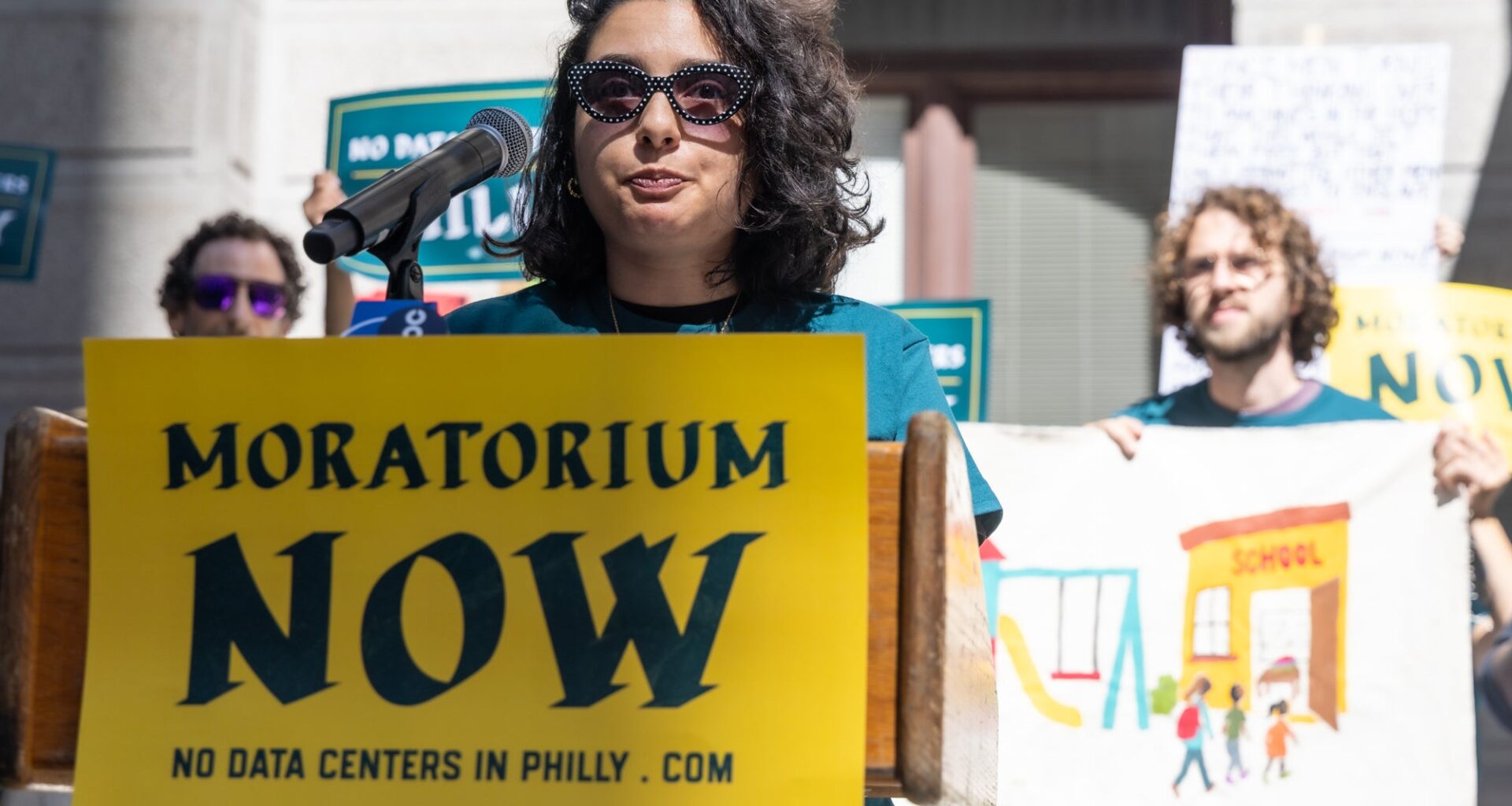
Residents demand urgency
AI data centers have generated millions of dollars in local tax revenue across the U.S. However, their energy demands have jacked up energy bills. Residents who live near data centers have also complained about air pollution from generators, strained water supplies and increased noise.
There are no local zoning laws or regulations in Philadelphia that govern AI data center development.
Philadelphia’s Data Center Task Force will consist of representatives from various city agencies. The group will engage with experts and stakeholders to help create recommendations for the development and operation of data centers in the city, according to Mayor Parker’s executive order.
The task force will be required to research the “potential benefits and harms of data centers,” focusing on potential impacts on the environment, energy use and the economy.
It will be required to release a report of its findings by June 30. The report should provide guidance on building requirements, fiscal impacts and potential regulations that mitigate pollution and noise, according to the executive order.
Small towns in the surrounding suburbs of Philadelphia have been grappling with how to handle an influx of AI data center proposals in their communities.
These surprise proposals have left communities scrambling to develop last-minute regulations that aim to protect residents from issues like noise and air pollution. Attorneys representing developers have made legal challenges against pre-existing zoning laws to argue their right to build. Without zoning laws around data centers, development rights are left to interpretation.
“This is exactly why moratoriums are critical, because we know that there are land use attorneys working hard right now to figure out how to slip through the existing laws in different places, which weren’t designed with AI data centers in mind, because AI data centers didn’t exist,” Bomstein said.
He said the most foolproof measure to protect Philadelphia residents from the impacts of data centers is to implement a moratorium until the regulations are developed.
“If we enact an ordinance or some sort of zoning protection after the fact, it doesn’t apply to the application that’s already in process,” said Bomstein, who is also an attorney.
Pennsylvania Gov. Josh Shapiro last month signed an executive order that aims to mitigate the impacts of data centers. However, his recommendations would require state legislation to be enacted.
Several bills that aim to enact moratoriums or to restrict certain tax breaks have stalled in the Pennsylvania legislature.